Not Just for the Korean Community Anymore
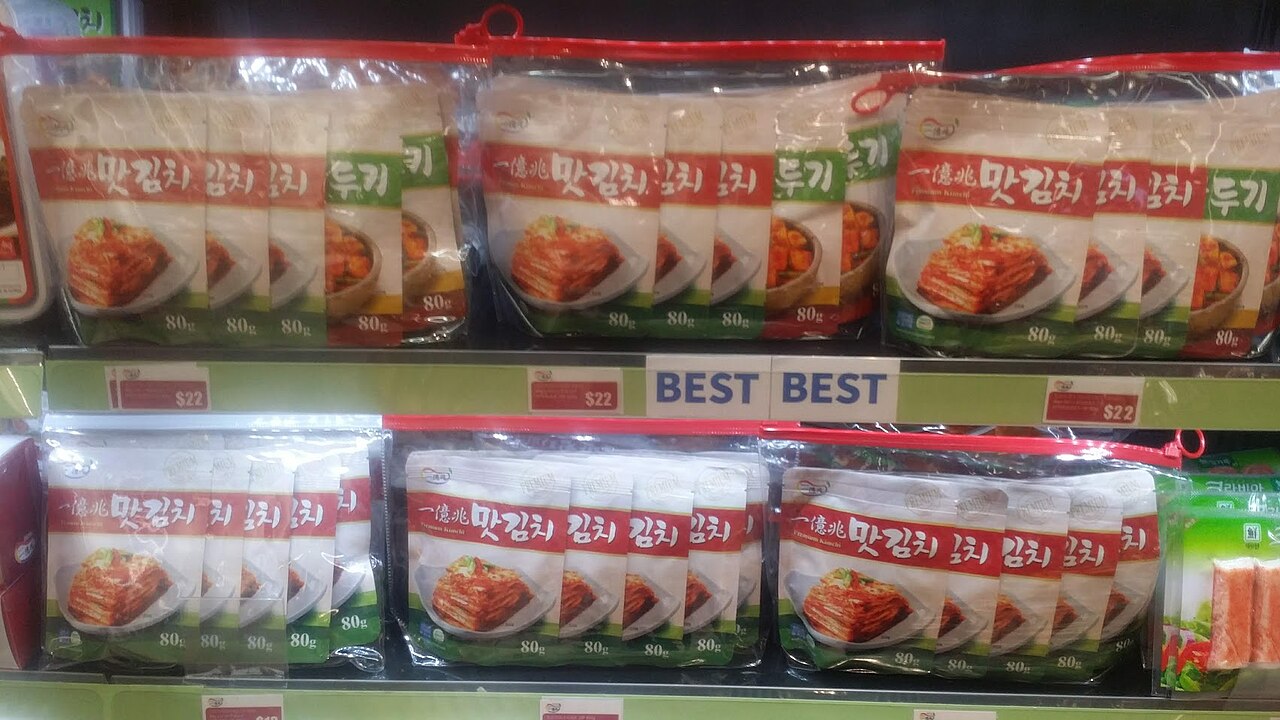
So here is something worth paying attention to if you follow the global expansion of Korean food culture. K-food is no longer just finding its way into specialty Asian grocery stores in New Zealand. According to a report from KOTRA — South Korea's state-run trade and investment promotion agency — Korean food products have crossed a significant threshold in the New Zealand market, moving out of niche ethnic food sections and into the general food category of mainstream retail channels.
That is a bigger deal than it might sound. Getting onto the shelves of a major supermarket chain as a standard grocery item, rather than a specialty import, signals a fundamental shift in how local consumers perceive and interact with a cuisine. And for Korean food exporters, it represents a massive opportunity.
What the Numbers Are Telling Us
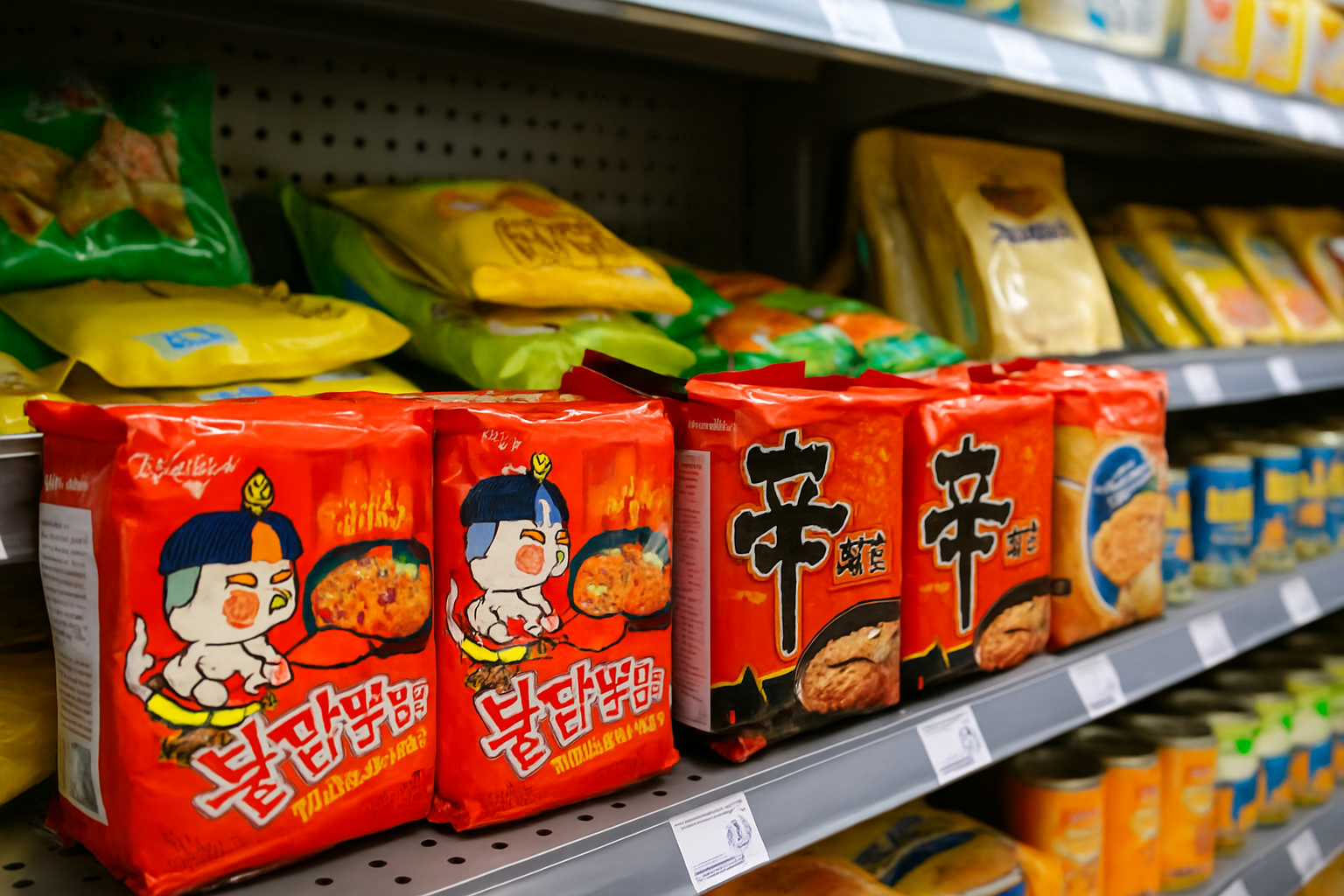
The data backs up what industry observers have been noticing on the ground. According to the Korea International Trade Association, South Korea's exports of grain and starch-based products — including baked goods — to New Zealand grew by 14.8 percent in 2025 compared to the previous year. Even more telling, the noodles and pasta subcategory within that group saw an 18.4 percent increase over the same period.
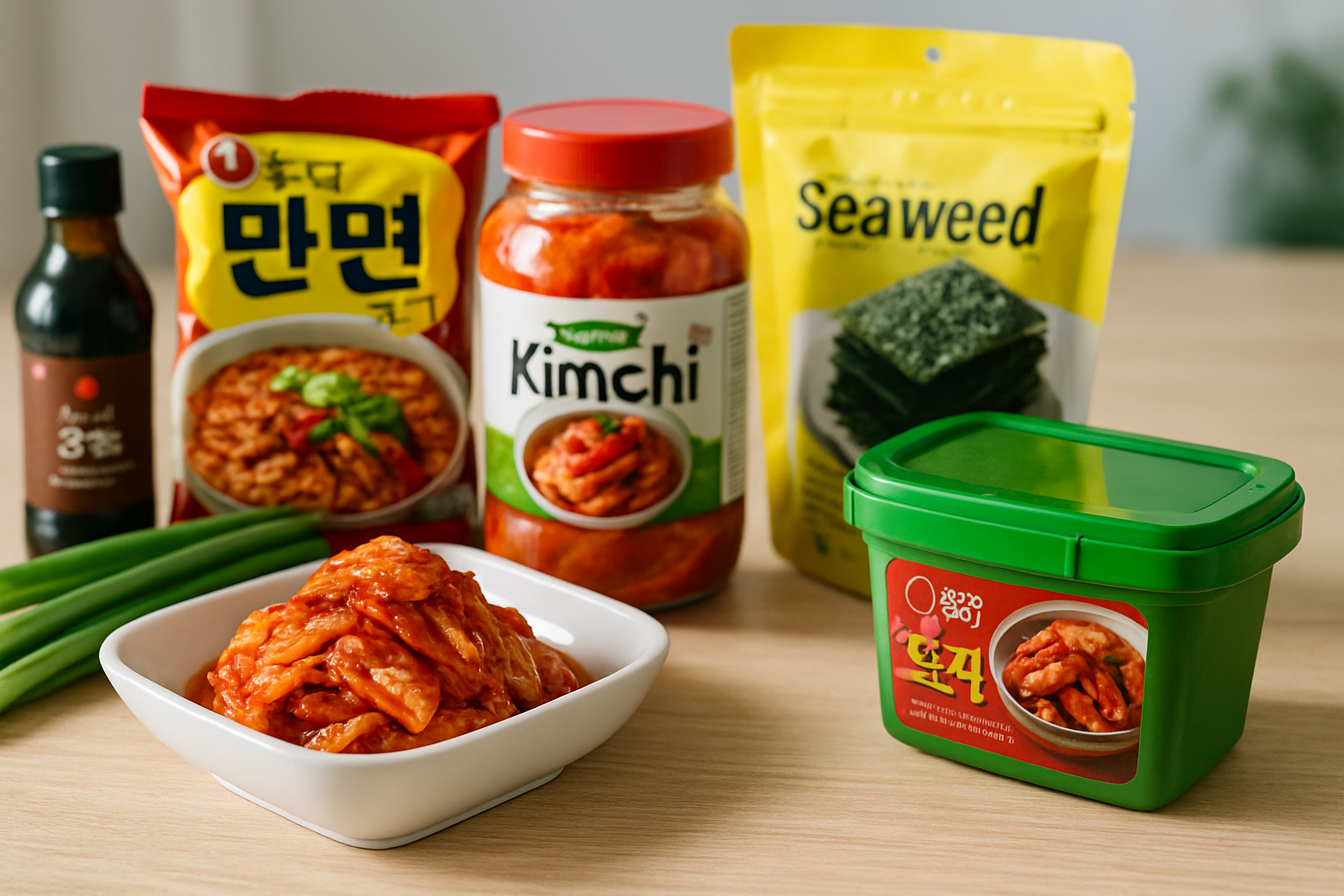
What's really interesting is that noodles and sauces are emerging as the two product categories most clearly illustrating K-food's spread in New Zealand. We are not just talking about people picking up a packet of instant ramen on a whim. The growing popularity of items like bulgogi sauce, gochujang (a fermented Korean chili paste), yangnyeom chicken sauce, and tteokbokki sauce tells a more nuanced story — one where consumers are moving beyond simply buying ready-made Korean products and are now actively cooking with Korean flavors at home.
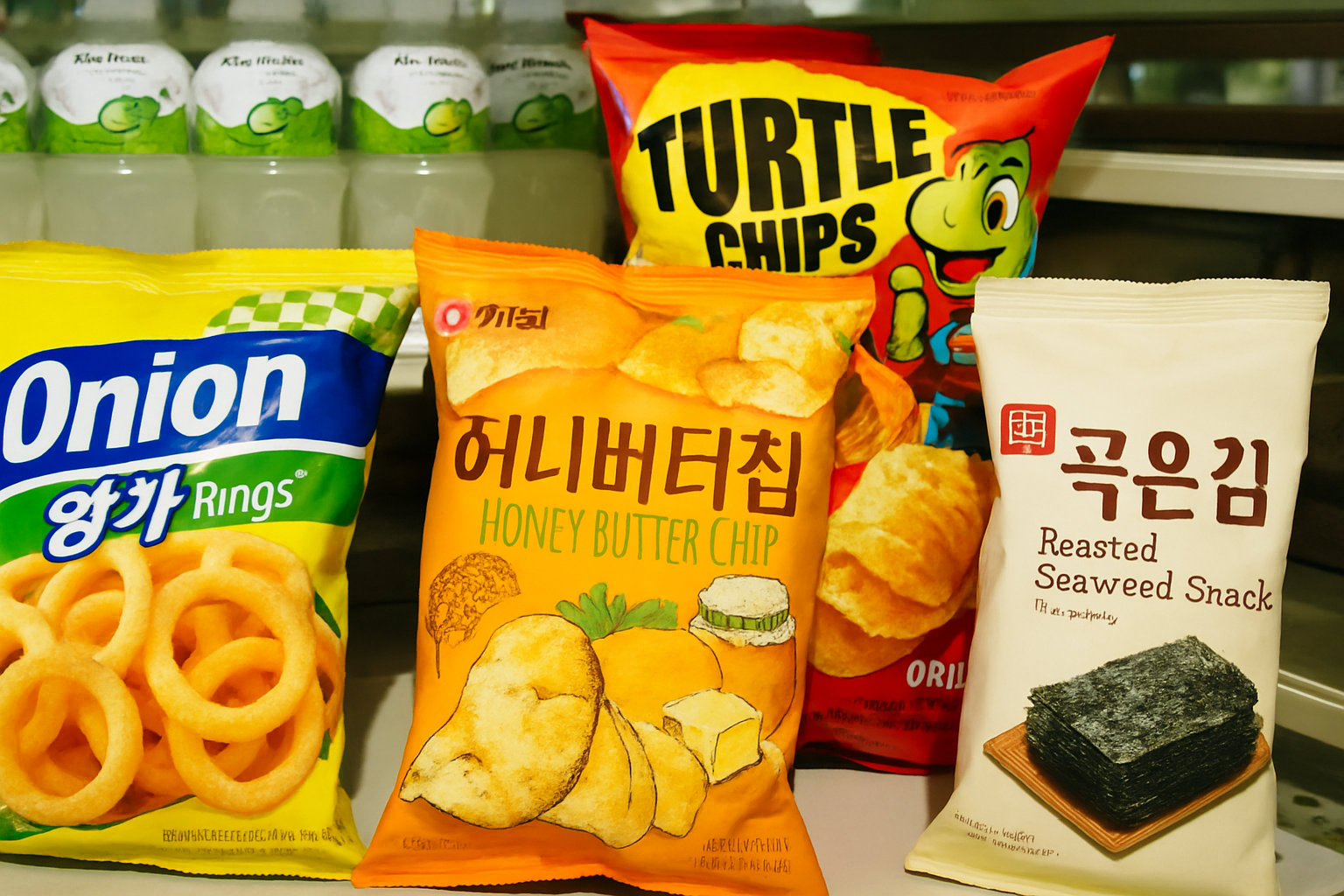
Local food industry media outlet Supermarket News summed it up well, noting that "Korean food is gradually penetrating the daily lives of New Zealand consumers, centered on bold-flavored dishes like bulgogi, Korean fried chicken, and kimchi, as well as convenient meal items such as ramen, dumplings, and gimbap."
The Home Cooking Boom Is Driving Demand
If you want to understand why Korean sauces are suddenly having a moment in New Zealand kitchens, look no further than two overlapping trends: the air fryer craze and the broader home cooking movement that has been building momentum across many Western markets.
Jeon Jeong-hun, the head of Ottogi's local New Zealand subsidiary — Ottogi being one of South Korea's largest and most well-known food companies — shared his perspective through KOTRA. He noted that "the growth of ready-to-use product lines that allow consumers to easily experience Korean flavors is particularly remarkable," and that "local consumers' demand for home cooking has been rapidly increasing."
"The air fryer culture and home cooking trend have generated strong interest in products like yangnyeom chicken sauce, bulgogi sauce, and Korean BBQ marinade products." — Jeon Jeong-hun, Head of Ottogi New Zealand
Think about that for a moment. Consumers in New Zealand are reaching for Korean BBQ marinades to use in their air fryers at home. That is a level of everyday integration that goes well beyond trying bibimbap at a Korean restaurant once or twice. This is K-food becoming part of the weekly grocery routine.
Beyond the Product: What It Takes to Get on Those Shelves
Of course, making a delicious product is only part of the equation when it comes to breaking into mainstream retail distribution in a market like New Zealand. And this is where things get very practical for Korean food exporters looking to follow a similar path.
The Ottogi New Zealand representative was candid about this, emphasizing that local buyers evaluate far more than just the taste and quality of a product. According to him, New Zealand retail buyers conduct thorough due diligence that includes reviewing raw ingredient information, allergen details, English-language product specification sheets, nutritional content, storage conditions, expiration dates, country of origin documentation, laboratory test reports, product photography, packaging information, barcodes, and full logistics data.
So here is the thing — for Korean food companies eyeing international mainstream retail, the product itself might only be half the battle. The paperwork, compliance documentation, and supply chain readiness are just as critical for getting past the gatekeepers of major supermarket chains. It is a reminder that market entry is as much a logistical and regulatory challenge as it is a culinary one.
A Broader Shift in Consumer Behavior
Zooming out a little, what is happening in New Zealand fits into a much larger global picture. The Korean Wave — the cultural phenomenon encompassing K-pop, K-drama, and K-beauty — has done a remarkable job of building curiosity and affection for Korean culture among consumers far beyond Asia. Food has followed naturally in that cultural slipstream.
What makes the New Zealand case particularly noteworthy, though, is the transition from cultural curiosity to everyday habit. When a cuisine moves from the ethnic foods aisle into the general grocery section, it means consumers are no longer treating it as exotic or occasional. It becomes part of how they cook and eat on a regular basis — and that is the moment when a food trend transforms into something genuinely sustainable for exporters.
New Zealand, while a relatively small market by population, often serves as a useful indicator market for broader shifts in Anglophone consumer preferences. Its proximity to Australia and its increasingly diverse urban population make it a meaningful testing ground. If K-food can achieve mainstream shelf placement in Auckland supermarkets, the playbook is transferable to larger markets in the region.
Looking Ahead
The trajectory in New Zealand suggests that K-food's global ambitions are being realized not just through novelty and hype, but through genuine consumer adoption rooted in versatility, convenience, and flavor. Whether it is a home cook reaching for gochujang to spice up a weeknight dinner or a family tossing a bag of Korean-style fried chicken into the air fryer, Korean food is earning its place in the everyday routines of people far from the Korean peninsula.
For Korean food companies, the message from New Zealand is clear: the appetite is there, the cultural groundwork has been laid, and the mainstream market is now within reach — as long as you come prepared with both great products and the documentation to match.
This article is based on reports from Realfoods, Newscj, Greened.