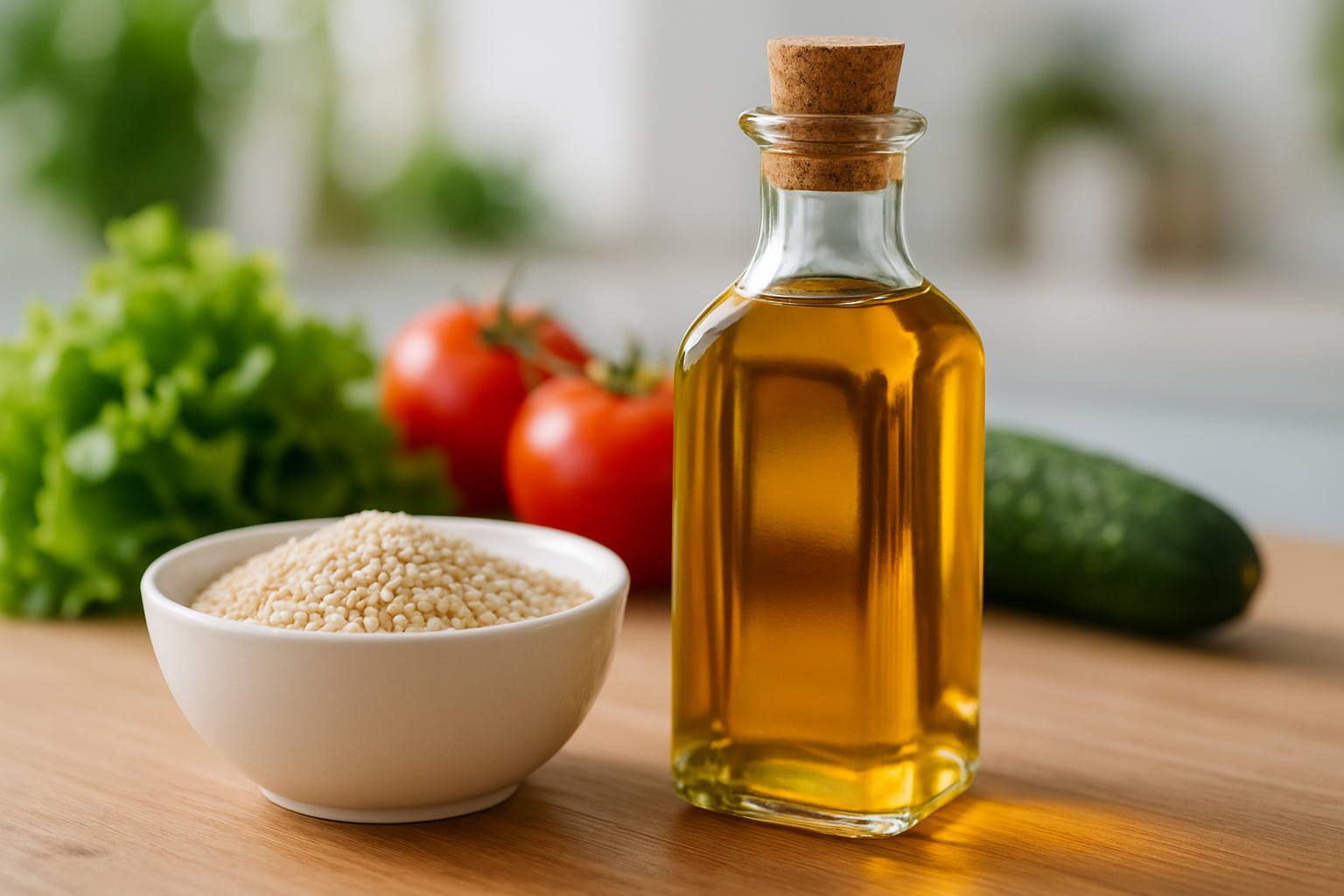
From Korean Kitchens to Global Shelves
So here's the thing — when most people think about Korean food exports making waves internationally, their minds probably jump straight to instant ramen, kimchi, or Korean fried chicken. But there's a quieter player that's been steadily climbing the charts, and it's one that's been sitting in Korean kitchens for centuries: sesame oil.
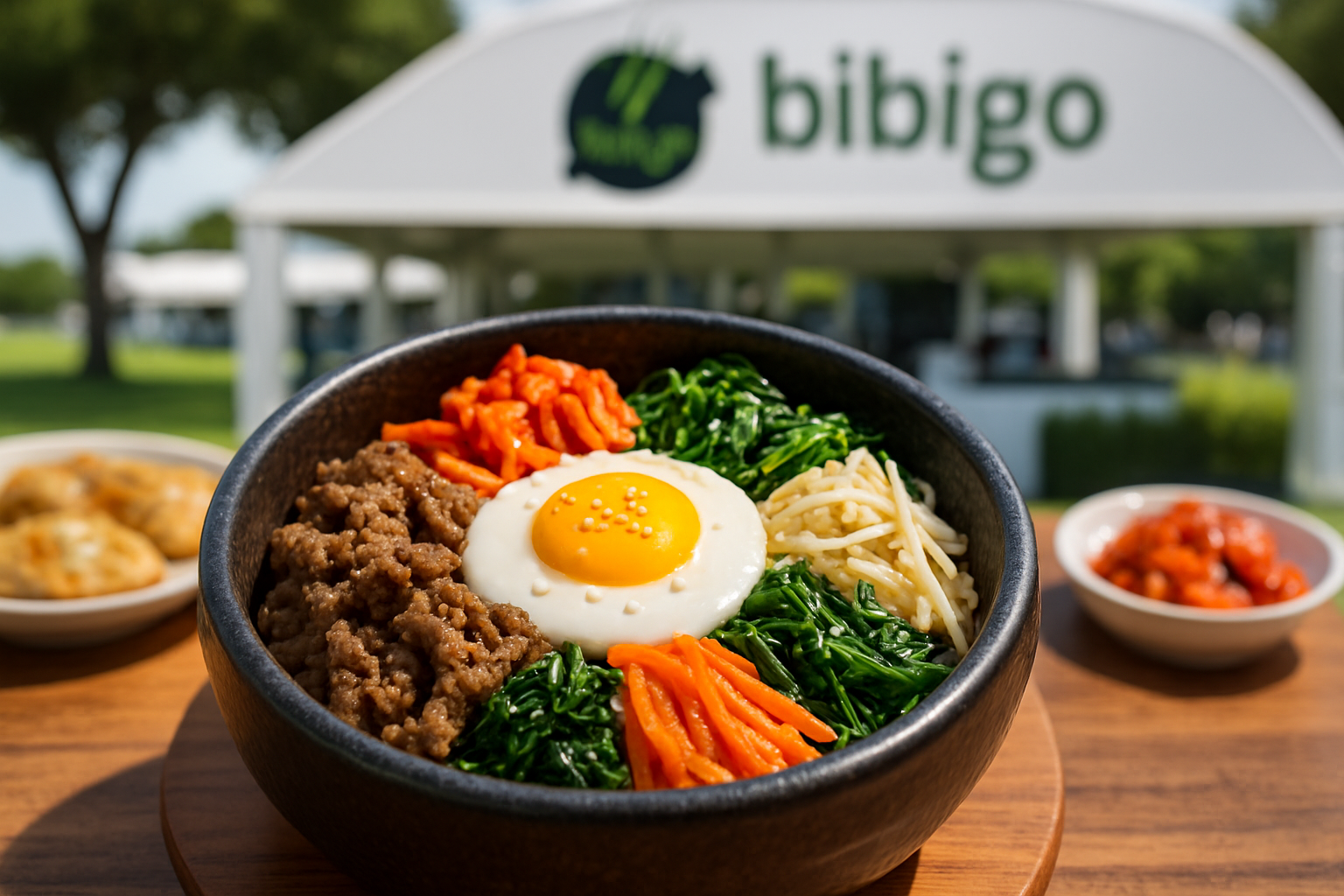
That's right. Sesame oil — the rich, nutty, aromatic staple that finishes off a bibimbap or elevates a simple namul side dish — is now emerging as one of Korea's most exciting food export stories. And the numbers are starting to back that up in a real way.
The Export Numbers Tell a Story
What's really interesting is how the growth trajectory of Korean sesame oil exports has sharpened in recent years, riding the broader wave of the Korean food boom that's been reshaping global grocery habits. Korean sesame oil, known domestically as chamgireum, has long been considered a finishing oil — a small drizzle that adds enormous depth to a dish. But internationally, consumers are discovering it as both a cooking ingredient and a premium pantry staple.
The timing makes a lot of sense when you think about it. The global appetite for Korean cuisine has exploded thanks to the cultural influence of K-dramas, K-pop, and the wider Hallyu — or Korean Wave — cultural phenomenon. When people start cooking Korean food at home, sesame oil is almost always on the shopping list. It's a gateway ingredient.
What Makes Korean Sesame Oil Different
Now, sesame oil isn't uniquely Korean — it's used across East and Southeast Asian cuisines. But Korean sesame oil has a distinct character that sets it apart. It's typically made from roasted sesame seeds, which gives it a deeper, smokier, more intense flavor compared to lighter Chinese or Middle Eastern varieties. The roasting process is key, and Korean producers have refined it over generations.
Korean consumers have always been particular about their chamgireum. Premium domestic brands often boast cold-press techniques, single-origin sesame seeds, and minimal processing — qualities that translate well to the global market for artisan and specialty foods. In an era where food-conscious consumers are reading labels and seeking out authentic, high-quality condiments, Korean sesame oil checks a lot of boxes.
Riding the K-Food Wave
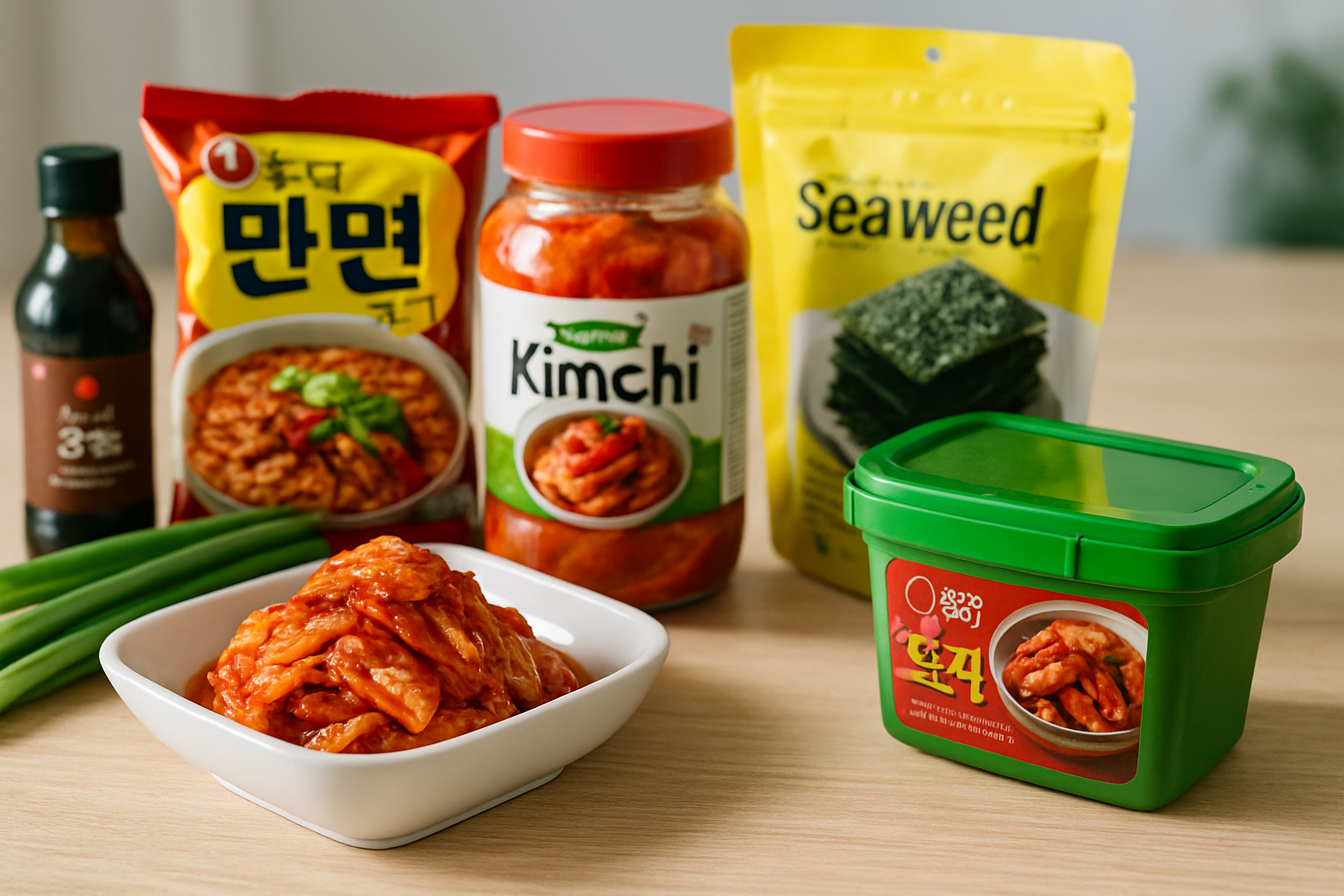
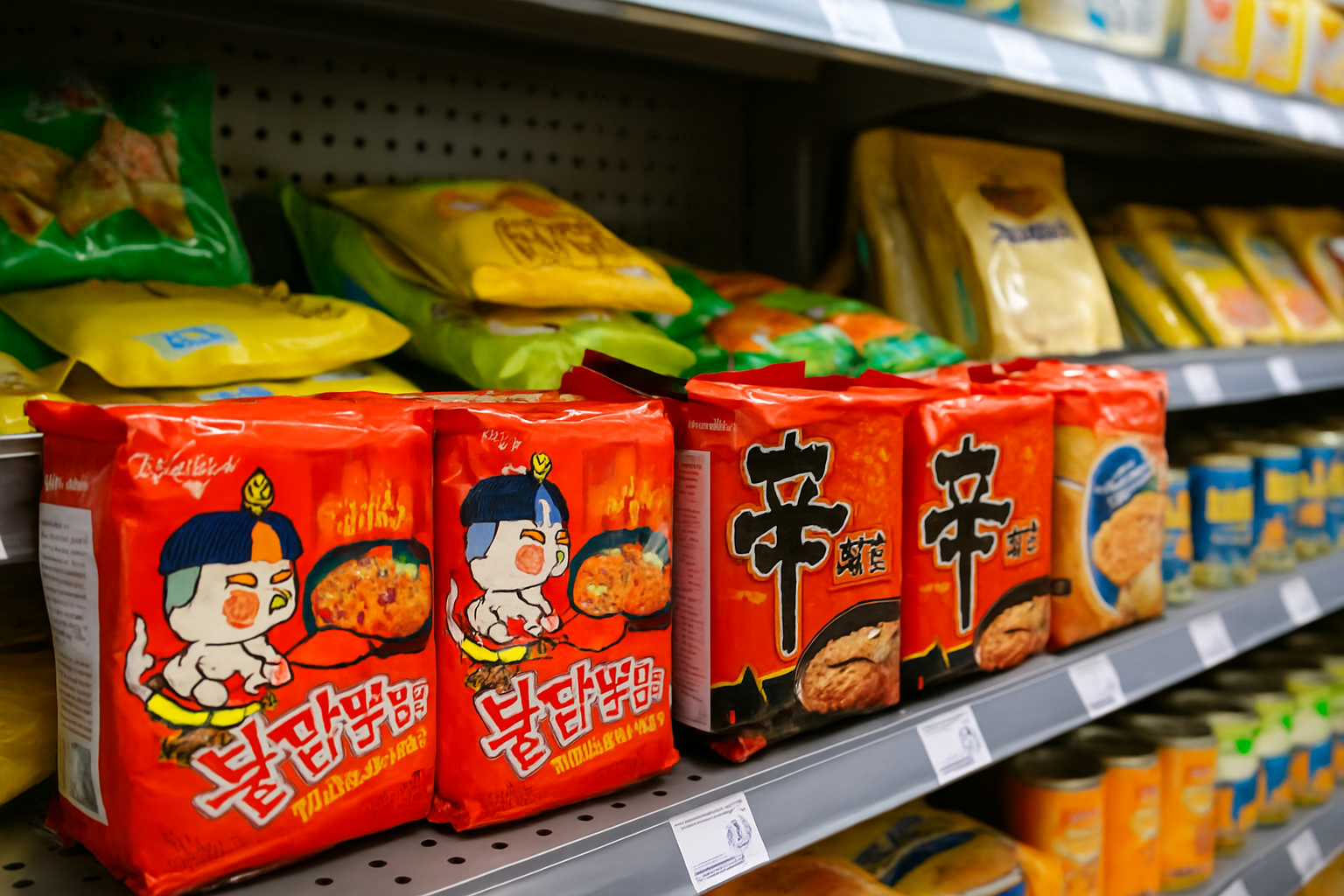
It's impossible to talk about this export surge without mentioning the broader K-food boom. Korean exports of food products have been growing steadily year over year, with items like Korean instant noodles — most famously Samyang's Buldak series — making headlines for record-breaking export figures. Kimchi, gochujang (Korean fermented chili paste), and Korean snacks have all carved out loyal international followings.
Sesame oil is now joining that club, but with a slightly different profile. It's less of a viral social media sensation and more of a steady, word-of-mouth ingredient that earns its place in home kitchens over time. Chefs, food bloggers, and home cooks who have experimented with Korean recipes keep coming back to it — and they're increasingly seeking it out specifically from Korean brands rather than generic alternatives.
Key Markets and Growing Demand
The United States remains one of the largest and most important markets for Korean food exports overall, and sesame oil is no exception. Korean-American communities have long been the foundation, but mainstream American consumers — particularly those interested in Asian cooking and health-conscious eating — are now a significant and growing audience.
Beyond the US, markets in Southeast Asia, Europe, and Australia have also shown increased appetite for Korean pantry staples. In countries where Korean restaurants have established a strong presence, retail demand for Korean cooking ingredients tends to follow naturally. People eat Korean food at a restaurant, enjoy it, and then want to recreate it at home. Sesame oil is one of the first ingredients they reach for.
The Health Angle
There's also a wellness dimension to this story that shouldn't be overlooked. Sesame oil — particularly the cold-pressed variety — has been associated with a range of potential health benefits, including antioxidant properties and heart-healthy unsaturated fats. As global consumers become more attentive to what's in their food and where it comes from, a premium Korean sesame oil can position itself not just as a flavor enhancer but as a thoughtful, functional food choice.
That's a powerful combination in today's market: cultural cachet, authentic flavor, and a health-conscious reputation. Korean sesame oil, perhaps more than any other single ingredient in the Korean pantry, manages to hit all three notes simultaneously.
Challenges on the Road Ahead
Of course, it's not all smooth sailing. Korean sesame oil producers looking to scale internationally face real challenges. Competition from lower-cost sesame oil producers — particularly from China — is intense. Maintaining quality while increasing export volumes is a genuine operational challenge. And building brand recognition from scratch in markets where consumers may already have a preferred sesame oil on their shelf takes significant investment in marketing and distribution.
There's also the question of raw materials. Korea imports most of its sesame seeds, primarily from countries like India, Ethiopia, and Sudan, which means producers are exposed to global commodity price fluctuations. Keeping premium Korean sesame oil competitively priced while maintaining quality standards is a constant balancing act.
A Staple Ingredient Steps Into the Spotlight
What's satisfying about this particular export story is that sesame oil isn't a trend invented for export markets. It's a deeply rooted ingredient in Korean culinary culture — one that grandmothers have drizzled over vegetables and rice for generations. The fact that it's now finding an international audience feels less like a calculated marketing push and more like the world slowly catching up to something Korea has known for a very long time.
So the next time you're at a specialty grocery store and you spot a bottle of Korean chamgireum on the shelf, know that you're looking at one small piece of a much bigger story — a story about how Korean food culture continues to spread its influence, one carefully crafted pantry staple at a time.
This article is based on reports from Breaknews, Koreatimes, Breaknews.