A Korean Food Brand With Global Ambitions
So here's the thing — the K-food wave is not just a trend anymore. It's a full-blown global movement, and South Korean food companies are moving fast to capitalize on it. One of the names making headlines right now is Otoki, a Korean food brand that has announced plans to expand into Japan, one of the world's most demanding and discerning food markets.
For those who aren't familiar, Otoki is a South Korean food company listed on the KOSPI 200 — that's South Korea's benchmark stock index tracking the top 200 companies on the Korea Stock Exchange. The company has been building a reputation in the domestic market, and now it's turning its eyes outward.
Why Japan, and Why Now?
What's really interesting is the timing of this move. Japan has historically been one of the most difficult markets for foreign food brands to crack. Japanese consumers have notoriously high standards when it comes to food quality, presentation, and authenticity. And yet, the appetite for Korean food there has been growing steadily — and it's not hard to see why.
The Hallyu wave — that's the global spread of Korean pop culture, including music, drama, and food — has been hitting Japan hard for years now. K-dramas streamed on platforms like Netflix have introduced Japanese audiences to Korean dishes in a very visceral, appetizing way. You watch a character slurp up a bowl of tteokbokki or bite into Korean fried chicken on screen, and suddenly you want to try it yourself. That cultural pipeline has been quietly building consumer demand in Japan for some time.
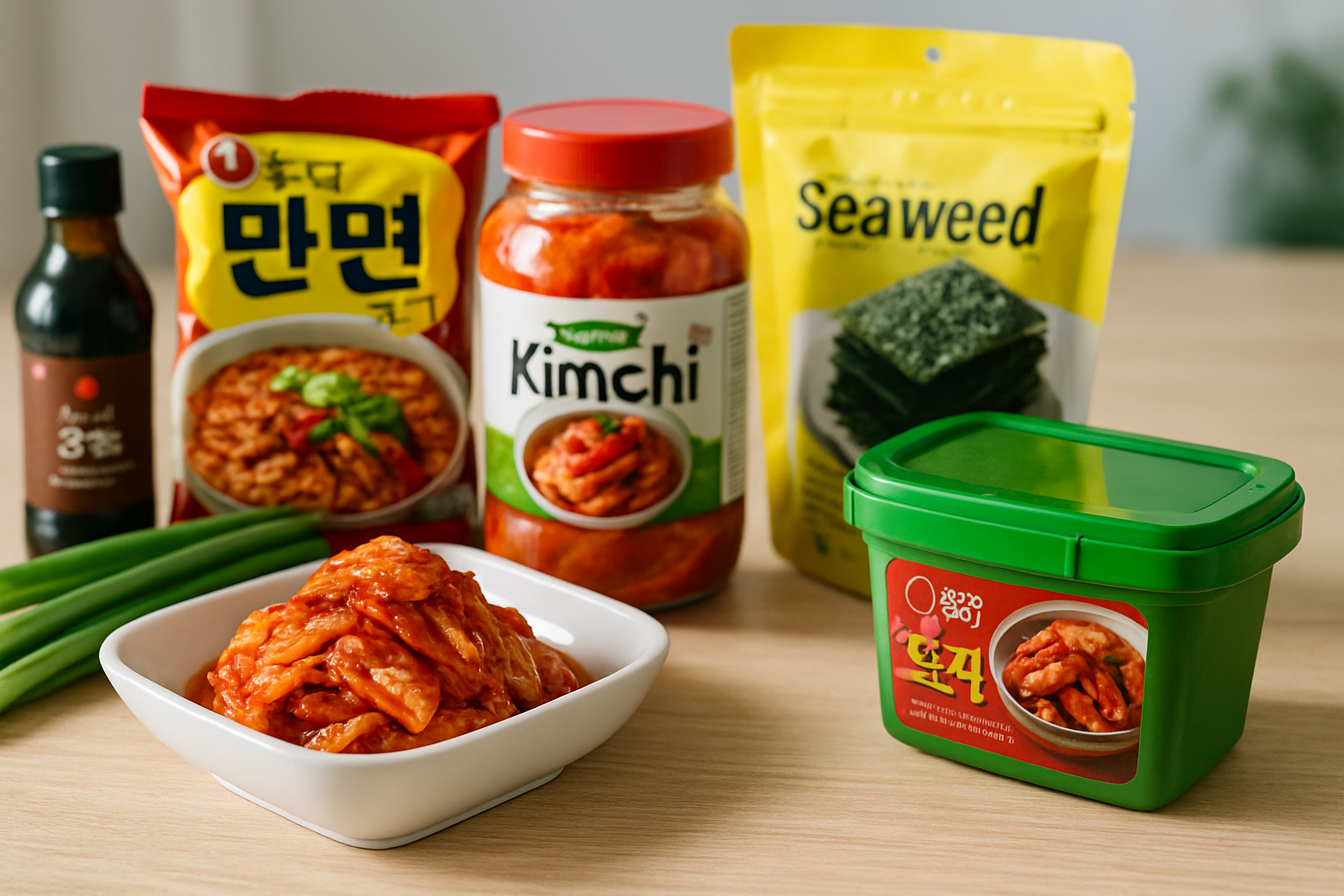
On top of that, the broader global K-food boom has given Korean food brands a kind of credibility and momentum they simply didn't have a decade ago. Korean instant noodles, snacks, sauces, and ready-to-eat products have been flying off shelves in markets from Southeast Asia to North America to Europe. Japan, sitting right next door geographically and already primed culturally, is a logical next step.
The Bigger Picture: K-Food Going Global
Otoki's Japan push is part of a much larger story about Korean food finding its footing on the world stage. This isn't just one company making a business decision — it reflects a structural shift in how Korean food is perceived internationally.
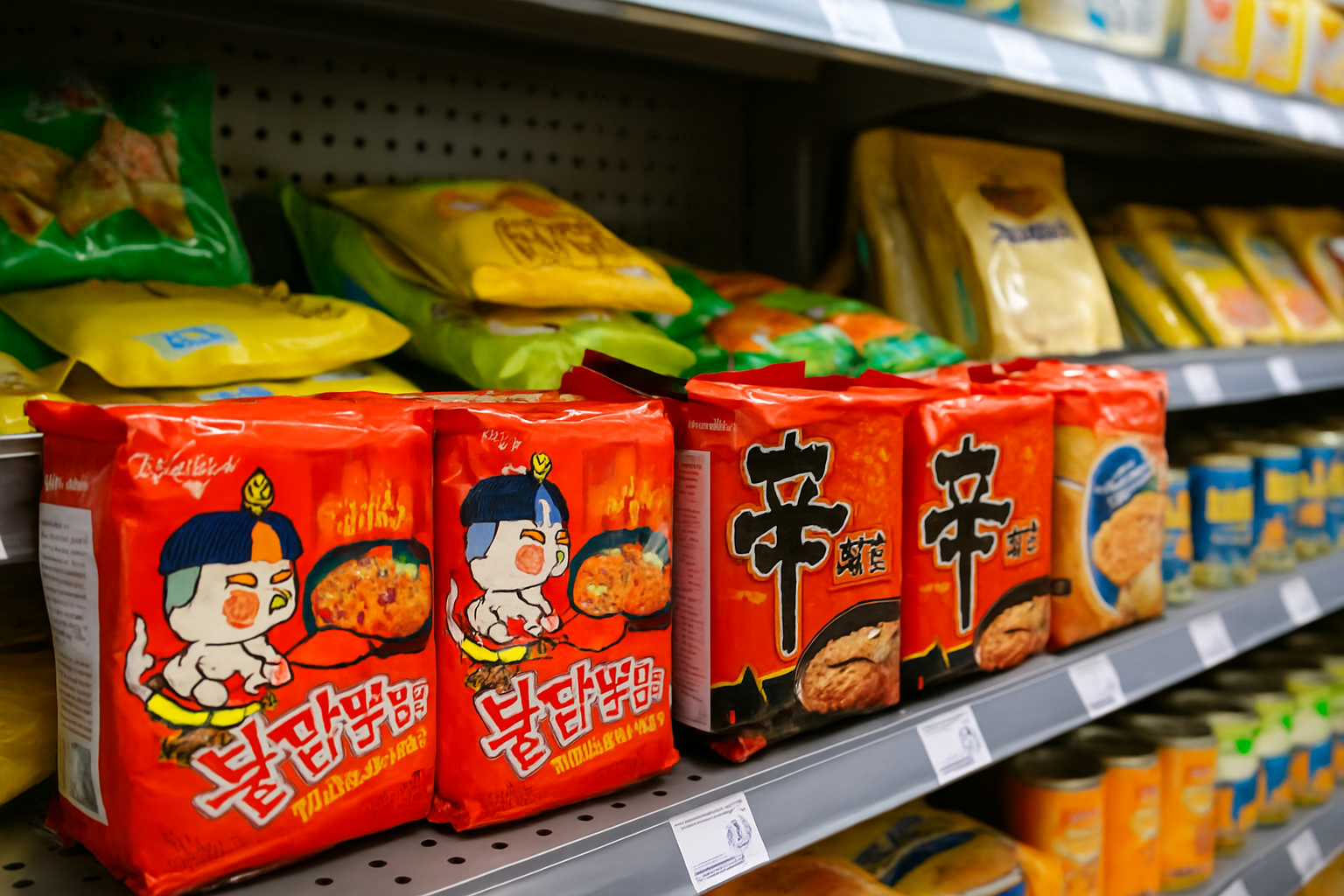
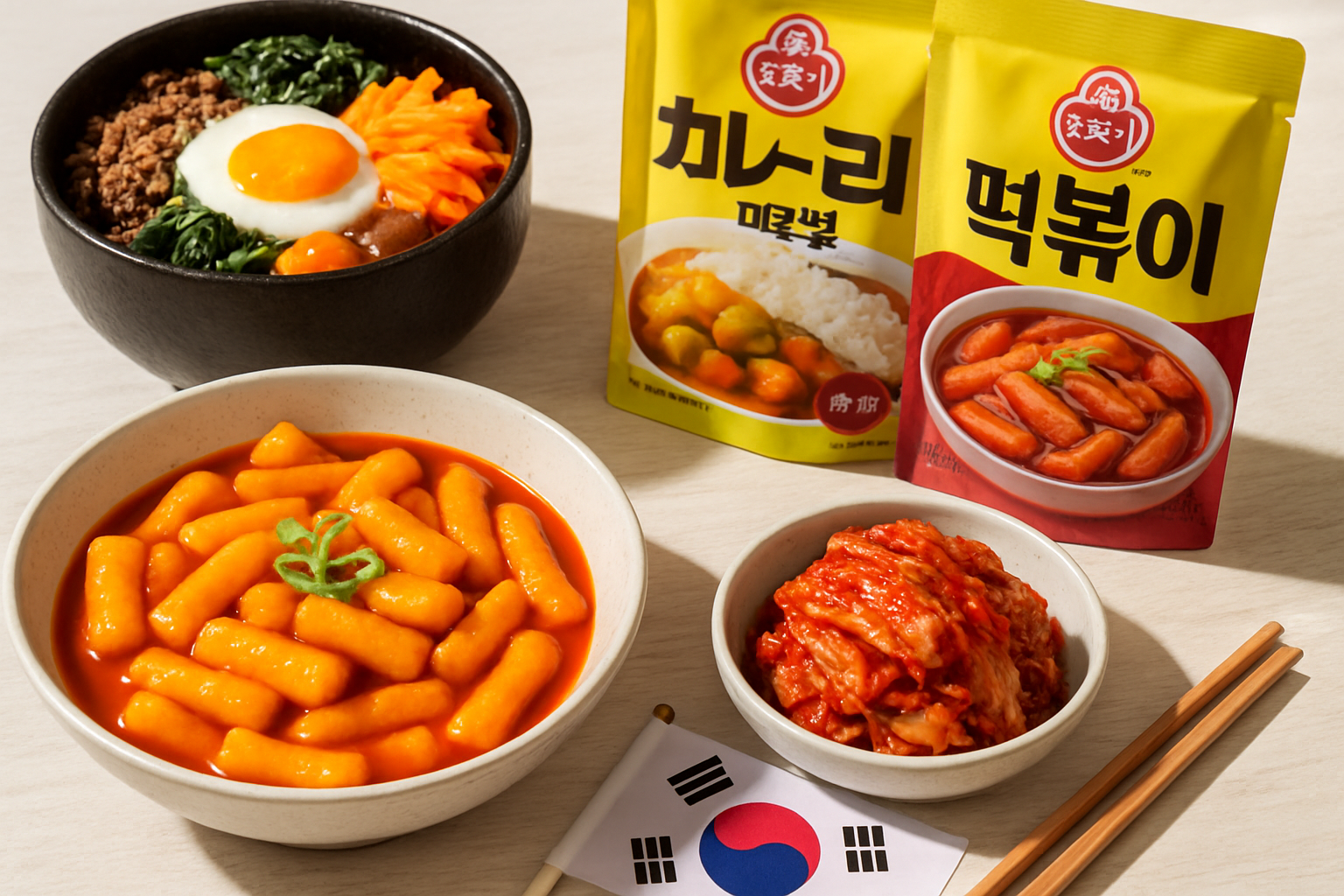
Consider what's been happening across the industry. Companies like Samyang Foods — the maker of the wildly popular Buldak (fire chicken) ramen — have seen their export revenues skyrocket, driven in large part by viral social media trends. CJ CheilJedang, one of Korea's largest food conglomerates, has been aggressively expanding its Bibigo brand across the United States, Europe, and Asia. Even convenience store staples like Korean-style kimbap and tteokbokki have started appearing in supermarkets worldwide.
The numbers back this up. South Korea's food exports have been on a consistent upward trajectory, with the government actively supporting overseas expansion through trade initiatives and promotional campaigns. The K-food brand isn't just riding the Hallyu wave — it's becoming a pillar of Korean soft power in its own right.
What Makes Japan a High-Stakes Bet
That said, entering Japan is never a simple proposition. The market is sophisticated, competitive, and fiercely loyal to its own food culture. Japanese consumers expect consistency, quality, and a product that feels like it belongs — not just a foreign novelty.
For Otoki, that means the Japan strategy will likely require more than just shipping products across the Korea Strait. Localization — adjusting flavors, packaging, and marketing to suit Japanese tastes and sensibilities — will be key. Korean brands that have succeeded in Japan have typically done so by finding that sweet spot between staying true to their Korean identity and making thoughtful adjustments for the local palate.
There's also the matter of distribution. Breaking into Japanese retail and food service channels requires strong local partnerships, and that takes time and relationship-building. The companies that have managed it well, like Nongshim with its Shin Ramyun noodles, have spent years cultivating those networks.
Looking Ahead
Otoki's move into Japan is one to watch, not just for what it means for the company itself, but for what it signals about where the K-food industry is headed. If a mid-tier Korean food brand can successfully establish itself in one of the world's toughest food markets, it says a lot about the strength and durability of the K-food wave.
And frankly, Japan is just one piece of the puzzle. The broader question is how Korean food companies plan to build sustainable international businesses — not just ride a cultural moment, but turn it into long-term market presence.
For now, Otoki is betting that the timing is right, the appetite is there, and Korea's culinary moment on the world stage is far from over. Given everything we've seen from the K-food sector over the past few years, it's a bet that's hard to argue against.
This article is based on reports from Yonhap News, Yonhap News, Yonhap News.