Korean Food Is Traveling the World — Even When Shipping Is a Headache
So here's a story that might surprise you, especially given how much we've been hearing about disrupted supply chains and global logistics headaches: South Korea's food exports are not just holding steady — they're actually growing. And not by a small margin, either. The so-called "K-food" wave, riding on the coattails of the broader Korean cultural boom, is proving to be remarkably resilient in the face of some serious global headwinds.
What's really interesting is that this growth is happening at a time when shipping costs remain elevated and geopolitical tensions continue to complicate international trade routes. For most export industries, that would be enough to show a slowdown. For Korean food, it seems to be barely a speed bump.
The Numbers Tell a Compelling Story
South Korea's agri-food export figures have been on a consistent upward trajectory, with the government and industry stakeholders pointing to the sustained global appetite for Korean products as the primary driver. From instant noodles — known in Korea as ramyeon — to kimchi, Korean snacks, sauces, and ready-to-eat meals, the range of products finding their way onto international shelves is broader than ever before.
What's been particularly notable is that the demand isn't limited to regions with large Korean diaspora communities. Yes, markets like the United States, Japan, and parts of Southeast Asia have long been reliable destinations for Korean food products. But increasingly, Korean food is finding enthusiastic audiences in places like Europe, the Middle East, and Latin America — markets that, not too long ago, would have had very limited exposure to Korean cuisine.
The Hallyu Effect — and Why It Matters for Food
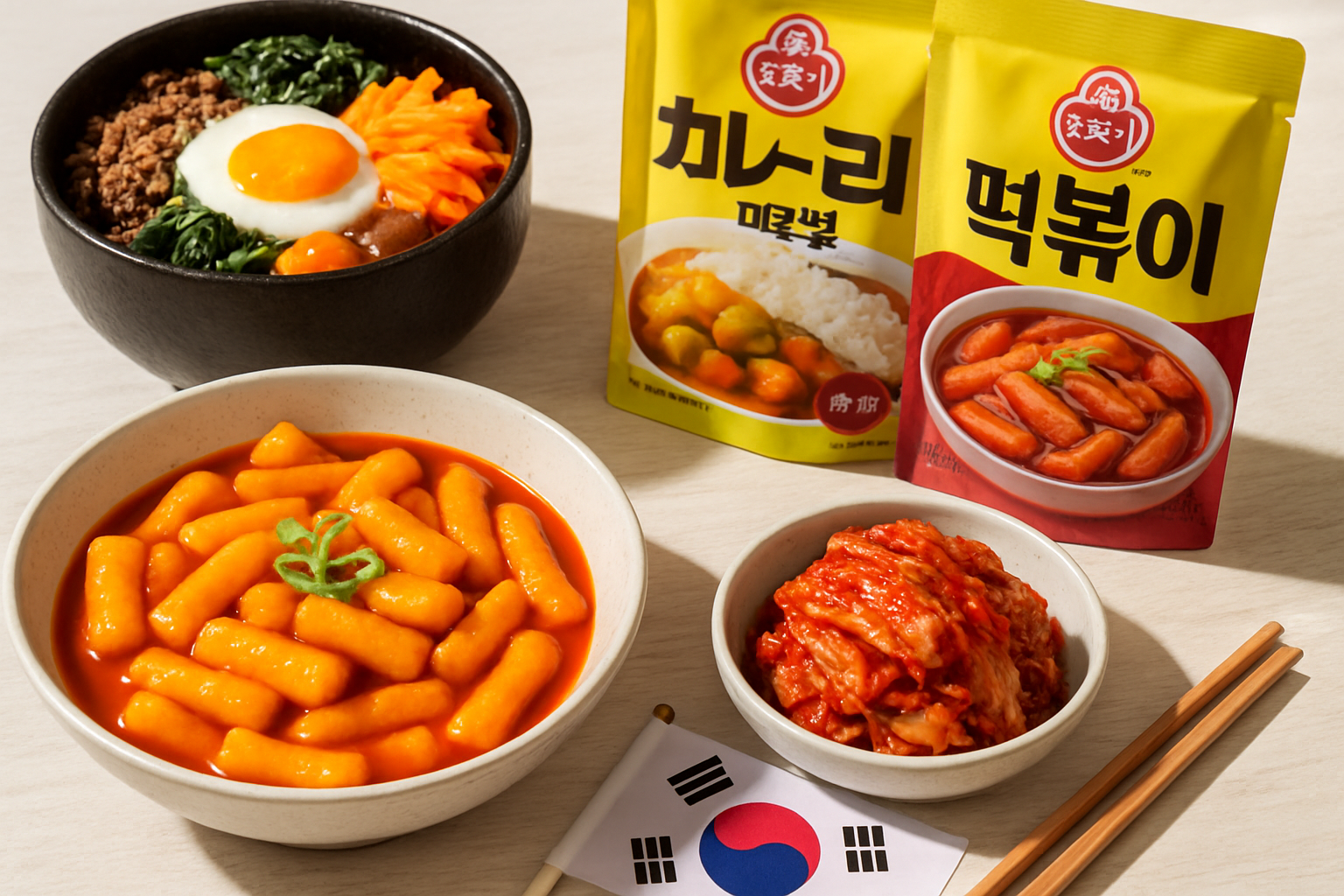
To understand why this is happening, you have to appreciate the role of what Koreans call "Hallyu" — the Korean Wave. This refers to the global spread of Korean pop culture, encompassing K-pop music, Korean dramas and films, beauty trends, and increasingly, food. When a global audience watches a Korean drama and sees characters eating tteokbokki (spicy rice cakes) or ramyeon, curiosity naturally follows. And curiosity, in the age of global e-commerce and international retail, translates pretty directly into purchases.
The success of Korean content on global platforms has essentially functioned as a massive, ongoing marketing campaign for Korean food products. It's organic, it's authentic, and frankly, it's been more effective than any traditional advertising strategy could have been. Industry analysts have noted that spikes in interest around specific Korean food items often correlate with moments of heightened pop culture visibility — a chart-topping K-pop album, a viral Korean drama, or a Korean film making waves at an international awards ceremony.
Beating the Shipping Blues
Now, here's where it gets a bit more complicated — and more impressive. The global shipping industry has faced significant strain in recent years. Container shortages, port congestion, elevated freight rates, and disruptions to key trade routes have made exporting goods more expensive and less predictable for companies around the world. The Red Sea situation, in particular, has added time and cost to shipments moving between Asia and Europe.
And yet, Korean food exporters have largely managed to absorb these pressures and keep the growth engine running. Part of the reason is that many of the products in question — packaged snacks, instant noodles, condiments, dried goods — have a relatively long shelf life and can tolerate longer shipping times without the quality implications that would affect, say, fresh produce. That's a structural advantage that Korean food exporters happen to benefit from.
Additionally, Korean companies have been proactive about diversifying their logistics strategies, locking in shipping contracts and exploring alternative routes to minimize the impact of disruptions. The Korean government has also played a supporting role, working through trade agencies like the Korea Agro-Fisheries and Food Trade Corporation — better known as aT — to help exporters navigate the complexities of international shipping and market access.
Which Products Are Leading the Charge?
So what exactly is the world buying when it comes to K-food? A few categories stand out consistently:
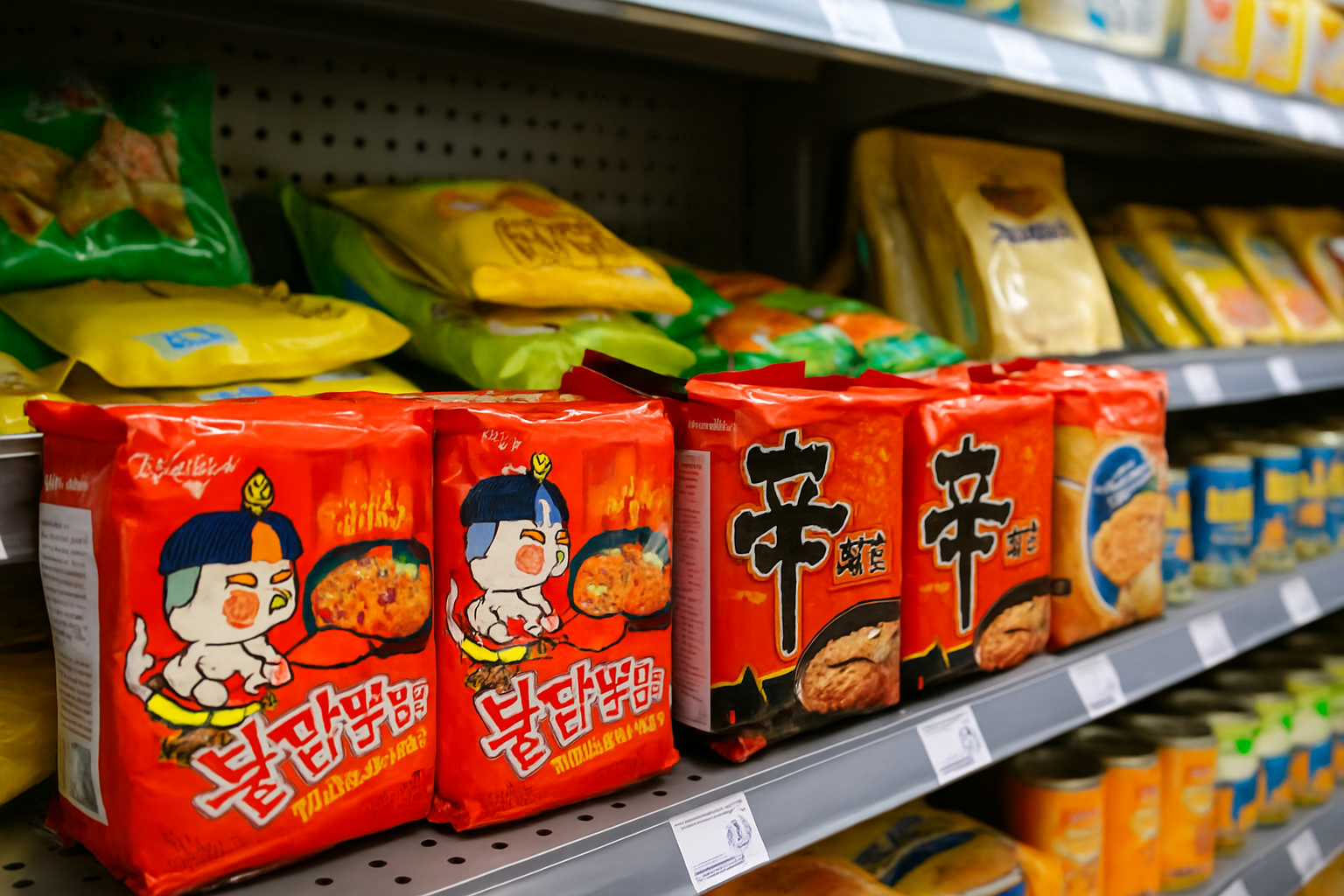
- Instant noodles (ramyeon): This is perhaps the single most globally recognized Korean food product. Brands like Samyang's Buldak (Fire Chicken) noodles have achieved viral fame, particularly among younger consumers, and continue to drive significant export volumes.
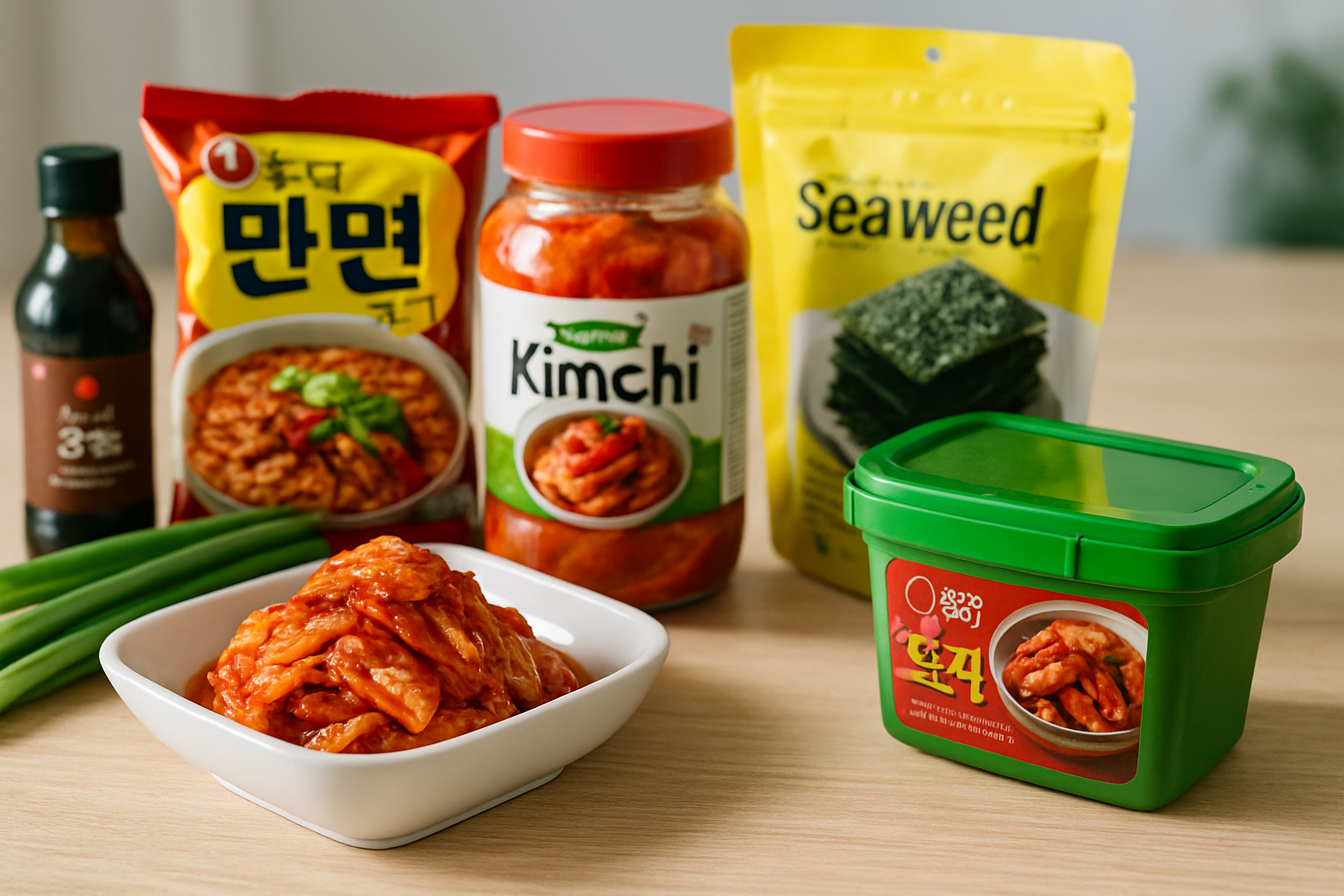
- Kimchi: Korea's iconic fermented vegetable dish has gone from a niche cultural curiosity to a widely stocked item in international supermarkets, boosted by growing consumer interest in fermented foods and gut health.
- Korean snacks and confectionery: From seaweed crisps to honey butter chips, Korean snack products have carved out a devoted international following, often discovered through online content creators and social media.
- Sauces and condiments: Gochujang (red chili paste), doenjang (fermented soybean paste), and various Korean BBQ sauces are increasingly showing up in mainstream grocery stores worldwide, as home cooks look to replicate Korean flavors in their own kitchens.
- Ready-to-eat and processed foods: Korean rice products, frozen Korean dishes, and convenience meals have seen strong uptake, particularly in markets where the pace of life favors quick but flavorful meal options.
Government Backing and Strategic Push
It's worth noting that this export success doesn't happen in a vacuum. The South Korean government has made the promotion of K-food abroad a deliberate policy priority, recognizing the sector's potential both as an economic driver and as a soft power tool. Hallyu and K-food are increasingly treated as interconnected pillars of Korea's international cultural and economic presence.
Trade promotion agencies actively support Korean food companies in entering new markets, participating in international food expos, and meeting the regulatory requirements of different countries. There's a coordinated strategy here, and it's been paying off.
Looking Ahead
The outlook for K-food exports remains broadly positive, though challenges do persist. Currency fluctuations, the ongoing costs of global logistics, and increasing competition from other Asian food categories all represent factors that the industry will need to navigate carefully. There's also the question of whether demand can be sustained as the initial novelty factor fades in some markets, and whether Korean food companies can successfully transition casual curious consumers into long-term loyal buyers.
But if recent trends are anything to go by, the K-food industry has shown it has the staying power to do exactly that. The combination of genuine product quality, savvy branding, and the continued global momentum of Korean culture makes for a pretty formidable foundation. In a world where global trade is anything but straightforward right now, that's no small achievement.
Korean food exports have shown that cultural momentum and product quality can, together, overcome even the friction of a stressed global shipping environment — and that's a story worth paying attention to.
This article is based on reports from Mdtoday, Mdtoday, Mdtoday.