K-Food Goes Big at the PGA Tour in Texas
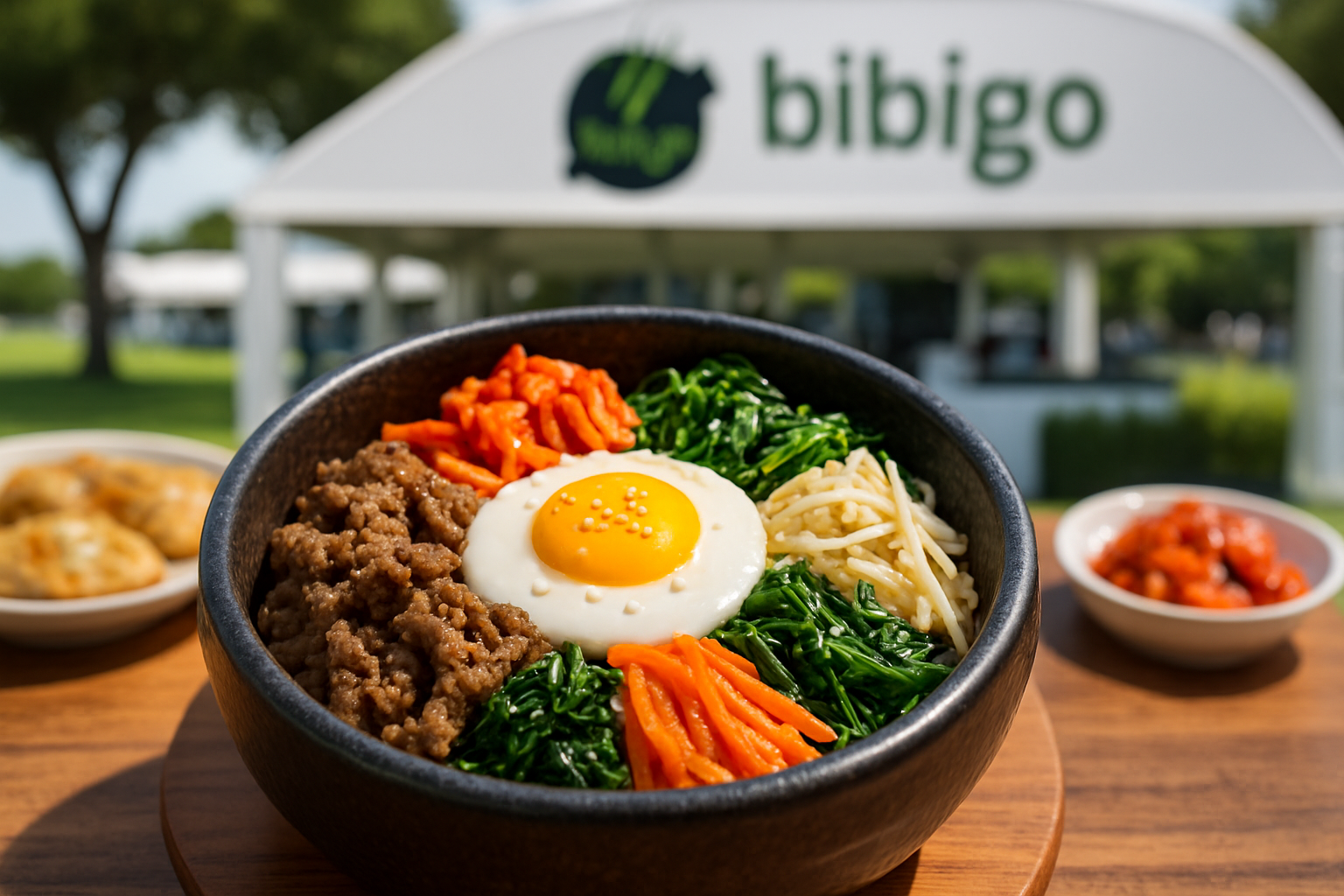
So here's the thing — when you think of a PGA Tour golf tournament in Texas, Korean food is probably not the first thing that comes to mind. But that's exactly what's happening right now at TPC Craig Ranch in McKinney, Texas, where CJ CheilJedang, one of South Korea's largest food conglomerates, has transformed the grounds of "The CJ CUP Byron Nelson" into what can only be described as a full-blown K-Food festival.
The tournament, which ran from May 20 to 24, 2025, is a regular PGA Tour event that CJ has been sponsoring since 2018. But this year, the company went bigger than ever — using the global spotlight of professional golf to push its flagship food brand, Bibigo, directly in front of thousands of international spectators, players, and cameras.
What Is Bibigo, and Why Does It Matter?
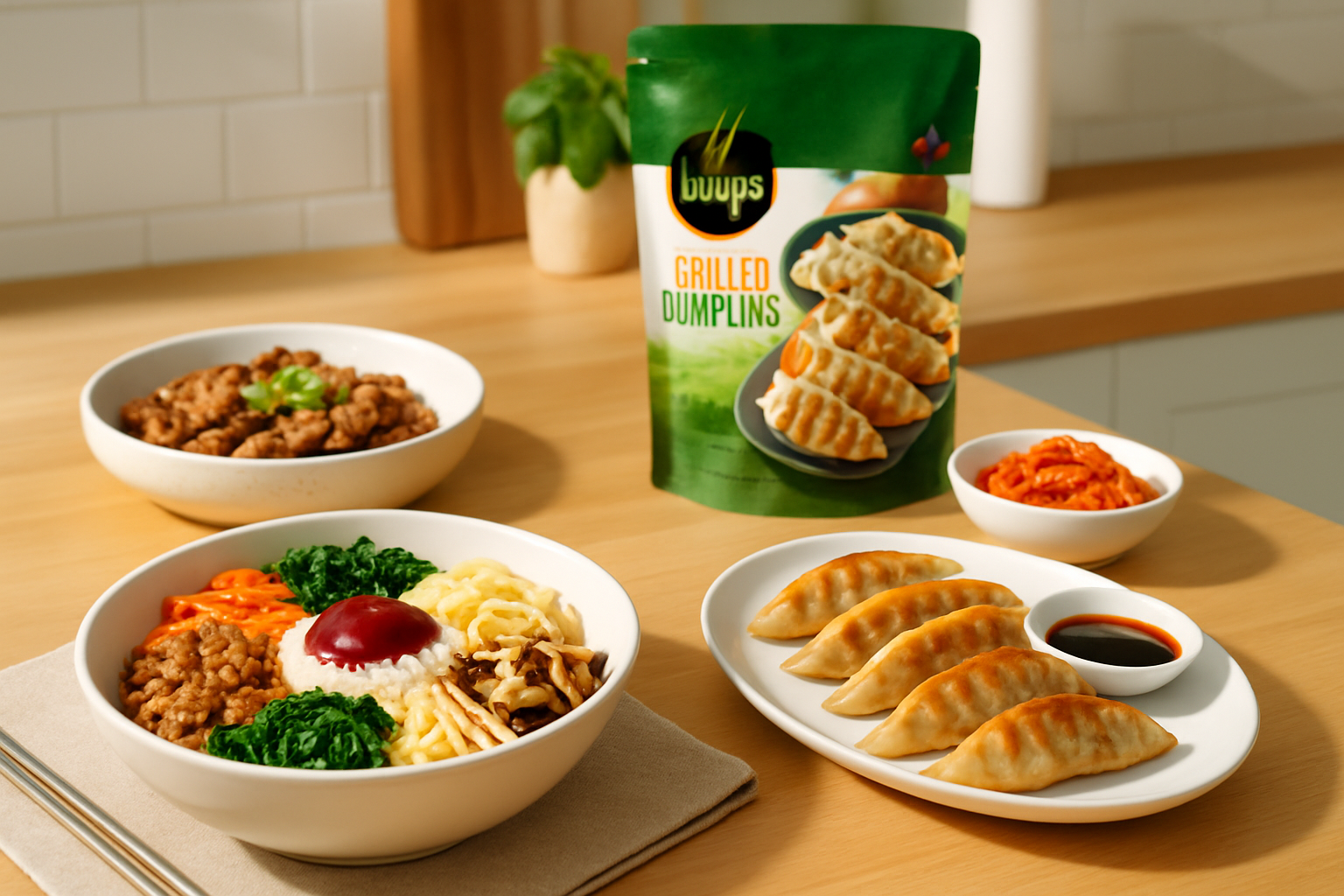
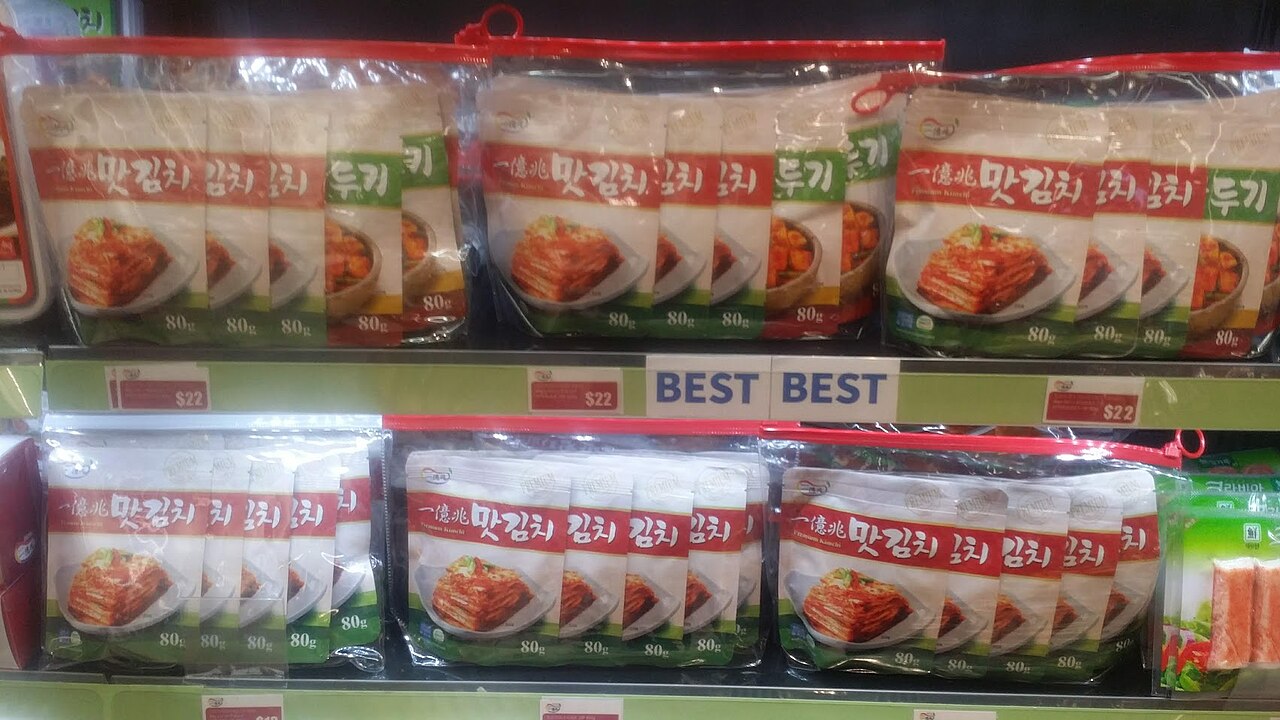
For those who haven't come across it yet, Bibigo is CJ CheilJedang's global Korean food brand, best known for its frozen mandu (Korean dumplings), kimchi, and a growing range of sauces and ready-to-eat products. It's been making serious inroads in international supermarkets over the past several years, and events like The CJ CUP are a core part of the brand's strategy to get Western consumers to actually taste — not just see — Korean food.
A Theme Park of Korean Food, Hole by Hole
What's really interesting is how CJ structured the experience this year. Rather than setting up one generic food tent, they created distinct themed spaces throughout the course, each offering something different.
House of CJ — The Main Attraction
At the center of the venue sits the "House of CJ," designed as a giant pantry showcasing the full Bibigo product lineup. Think massive product walls, dumpling sculptures as photo backdrops, and social media tie-in events. A tasting event for a new Bibigo noodle product — set for global release — reportedly drew long queues throughout the week. It became something of a social media photo spot for attendees, which, in 2025, is basically the highest compliment a brand activation can receive.
Hole 7 — A Taste of the Han River in Texas
Over at the 7th hole, CJ set up a casual dining concession space with an unexpected design inspiration: the stepped riverside decks of Seoul's Han River parks. If you've ever been to Seoul, you'll know exactly the vibe — relaxed, outdoors, food in hand, watching the world go by. Translating that atmosphere to a golf course in Texas is a bold creative choice, and by all accounts, it worked.
Hole 17 — Grab and Go, Korean-Style
The 17th hole offered a faster, snack-style experience in a grab-and-go format — perfect for spectators who don't want to miss the action. The menu here leaned into Korean spice, with offerings like gochujang tacos and Bibigo mandu, each available in original and spicy versions. It's the kind of approachable, fun Korean food that works really well for audiences who might be trying it for the first time.
Star Chefs Bring the Heat
Now, here's where it gets genuinely exciting. CJ brought together a lineup of chefs that would make any food lover pay attention.
- Beau MacMillan — Winner of the American cooking competition series "Iron Chef," MacMillan is a well-known face in U.S. food culture. His collaboration with Bibigo products produced creative mandu dishes that blended Korean and Western techniques.
- Park Jeong-hyun — Chef and co-owner of Atomix in New York City, widely regarded as one of the finest Korean dining experiences outside of Korea. Atomix has earned international acclaim for its refined, modern take on Korean cuisine.
- Yu Yong-uk — A rising star in Korea's culinary scene, Yu gained widespread recognition through his appearance on "Culinary Class Wars Season 2" (known in Korean as "흑백요리사"), a hit Netflix cooking competition that took Korea by storm. He runs Yu Yong-uk BBQ Research Institute, and his gochujang taco creation at the event has been one of the most talked-about items of the week.
Together, these three chefs rotated daily menus using Bibigo staples — mandu, kimchi, K-sauces, and the brand's "Sobaба Chicken" — presenting them at a fine-dining level that challenged any lingering assumptions that Korean food is somehow "casual" or "simple." It is neither.
K-Liquor Makes Its American Debut
Perhaps the most forward-thinking move of the whole activation is CJ's push into premium Korean spirits. The company introduced "jari" — its new premium distilled liquor brand developed in collaboration with small and mid-sized traditional Korean breweries — at the event, offering four special cocktails made with Munbaeju and Gamuchi Soju, two traditional Korean distilled spirits with deep regional roots.
Paired with the chef-crafted food menus at both the 7th and 17th hole concessions, the jari cocktails represent CJ's broader ambition to do for Korean spirits what Bibigo has been doing for Korean food. The brand is eyeing a full U.S. market launch in the second half of 2025. Getting American golf fans to sip a traditional Korean distilled spirit while watching elite athletes play in the Texas sun — if that's not a bold globalization strategy, it's hard to say what is.
Back Home: Two Gangwon-do Culinary Masters Earn National Recognition
While Bibigo was making headlines in Texas, back in Korea, a quieter but equally meaningful celebration of Korean food culture was taking place. On May 18, the Korea Hansik Forum — a government-approved organization dedicated to promoting and preserving Korean cuisine — held a major recognition ceremony at the National Assembly Library in Seoul, designating over 40 "Hansik Masters" and more than 250 "Hansik Grandmasters" from across the country.
Hansik (한식) simply means traditional Korean food, and these designations are the country's formal way of honoring the people who have dedicated their lives to preserving, researching, and sharing it — both at home and abroad.
Oh Suk-hee — The Buckwheat Champion of Bongpyeong
Among those honored as Hansik Masters was Oh Suk-hee, the head of the Korean Food Service Industry Association's Pyeongchang branch and owner of "Bongpyeong Memil Migayeon," a restaurant in Bongpyeong-myeon, Pyeongchang — the same region made famous internationally by the 2018 Winter Olympics.
Oh has spent her career dedicated to memil (buckwheat), a grain with deep roots in the Gangwon-do region. She participated in a Paris food expo in 2014, received a national artisan designation in 2017, and was previously recognized as a Hansik Grandmaster in 2020. She also received the Stone Tower Industrial Medal from the Ministry of the Interior in 2013.
"I will work even harder to introduce Pyeongchang's local food to the world and contribute to the development of our community and the food service industry," she said at the ceremony.
Kim Mun-gyeong — Kimchi Scholar and Fermentation Expert
Also named a Hansik Master was Dr. Kim Mun-gyeong, a fermented food researcher based in Gangneung who holds a doctoral degree in food service management from Catholic Kwandong University. Kim has actively promoted kimchi internationally and authored books including "The Food Culture of Gangwon-do" and "Modern Kimchi and Gimjang Culture." Her work sits at the intersection of academic research and cultural advocacy — exactly the kind of expertise that helps Korean food gain credibility on the world stage.
Jeong Seong-hee — Bringing Chuncheon to Los Angeles
A third Gangwon-do figure, Jeong Seong-hee, was recognized as a Hansik Grandmaster. A Gangwon National University alumna now based in the United States, she runs Boseong Group in the U.S. alongside her husband, and operates both the Donghae Makguksu restaurant in Chuncheon and a restaurant and cafe in Koreatown, Los Angeles — spreading Korean food culture directly to American diners on the ground.
Two Fronts, One Mission
What ties these two stories together is actually quite straightforward: Korean food is having a genuine global moment, and it's being driven by people working at every level — from a buckwheat restaurateur in the mountains of Gangwon-do, to a billion-dollar food company hosting a culinary extravaganza at a PGA Tour event in Texas. The strategies are different, but the goal is the same: put Korean food in front of the world, and let it speak for itself.
And if gochujang tacos and traditional Korean spirit cocktails at a golf tournament are any indication, the world is starting to listen.
This article is based on reports from Naver News, Dailyt, Insight.