Korea's Food Wave Reaches South America
So here's something that might surprise you — while the world has been buzzing about K-pop and K-dramas, Korean food has been quietly making major moves in a part of the world you might not expect: Latin America. And the numbers are starting to back that up in a pretty serious way.
The Korea Agro-Fisheries and Food Trade Corporation, better known as aT, recently took part in APAS SHOW 2025, the largest food trade fair in South America, held in São Paulo, Brazil. And by all accounts, it was a standout moment for Korean cuisine on the global stage.
What Happened at APAS SHOW
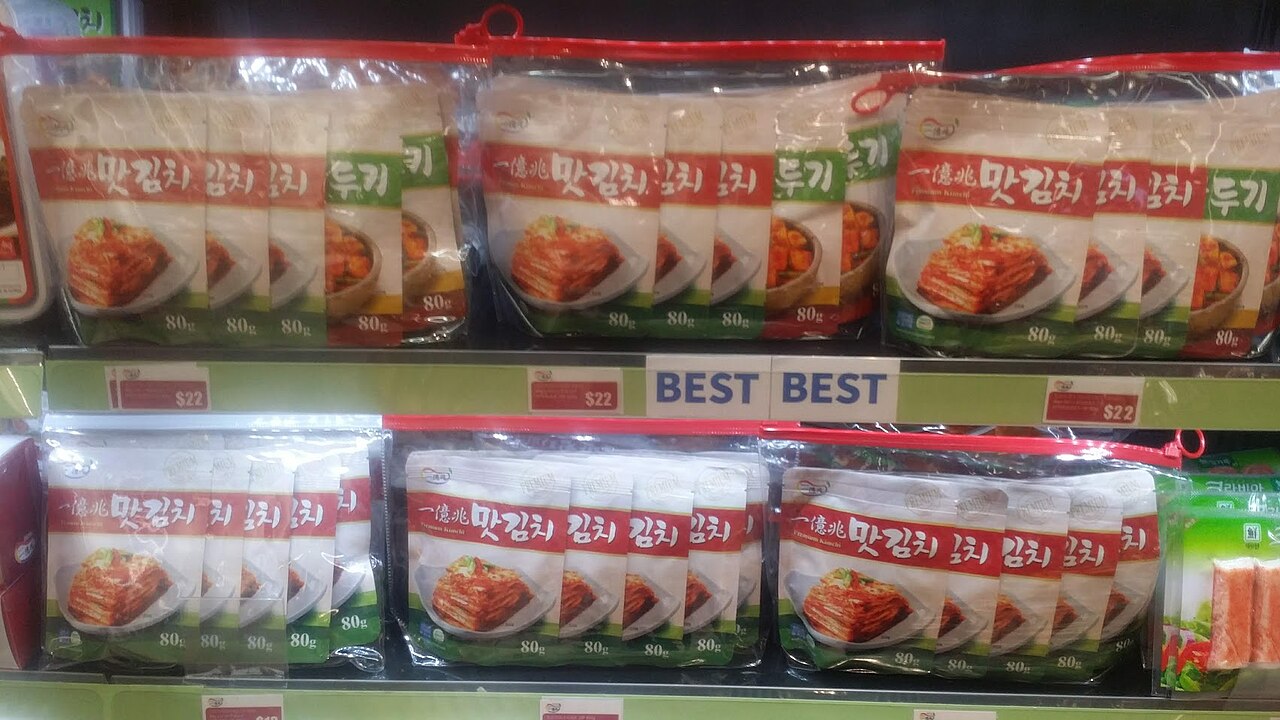
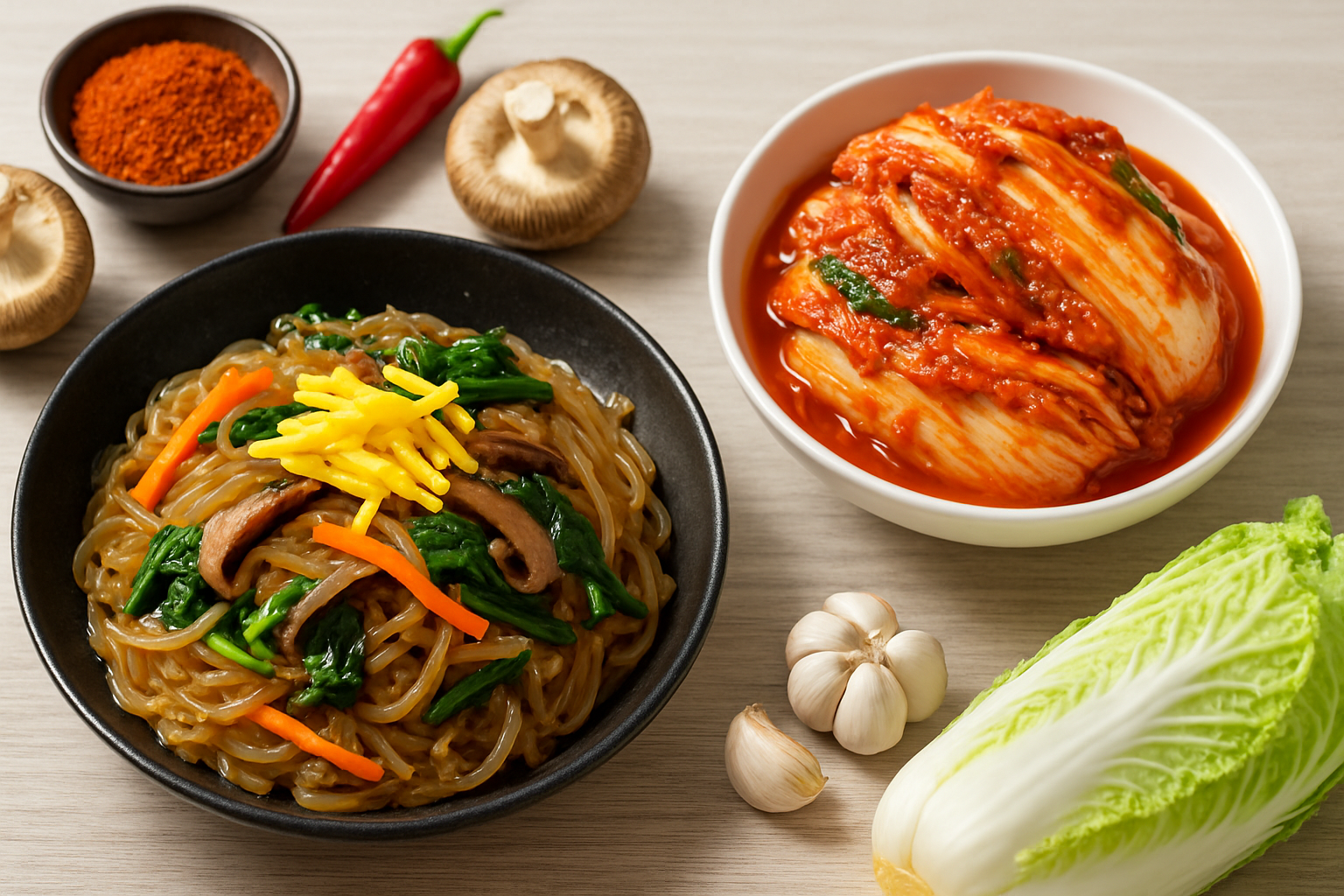
aT organized a unified Korean pavilion featuring nine carefully selected Korean food exporters, showcasing everything from classic staples like kimchi — Korea's iconic fermented vegetable side dish — to japchae, a savory stir-fried glass noodle dish that's been a fixture at Korean tables for centuries. But it wasn't just the traditional stuff that turned heads.
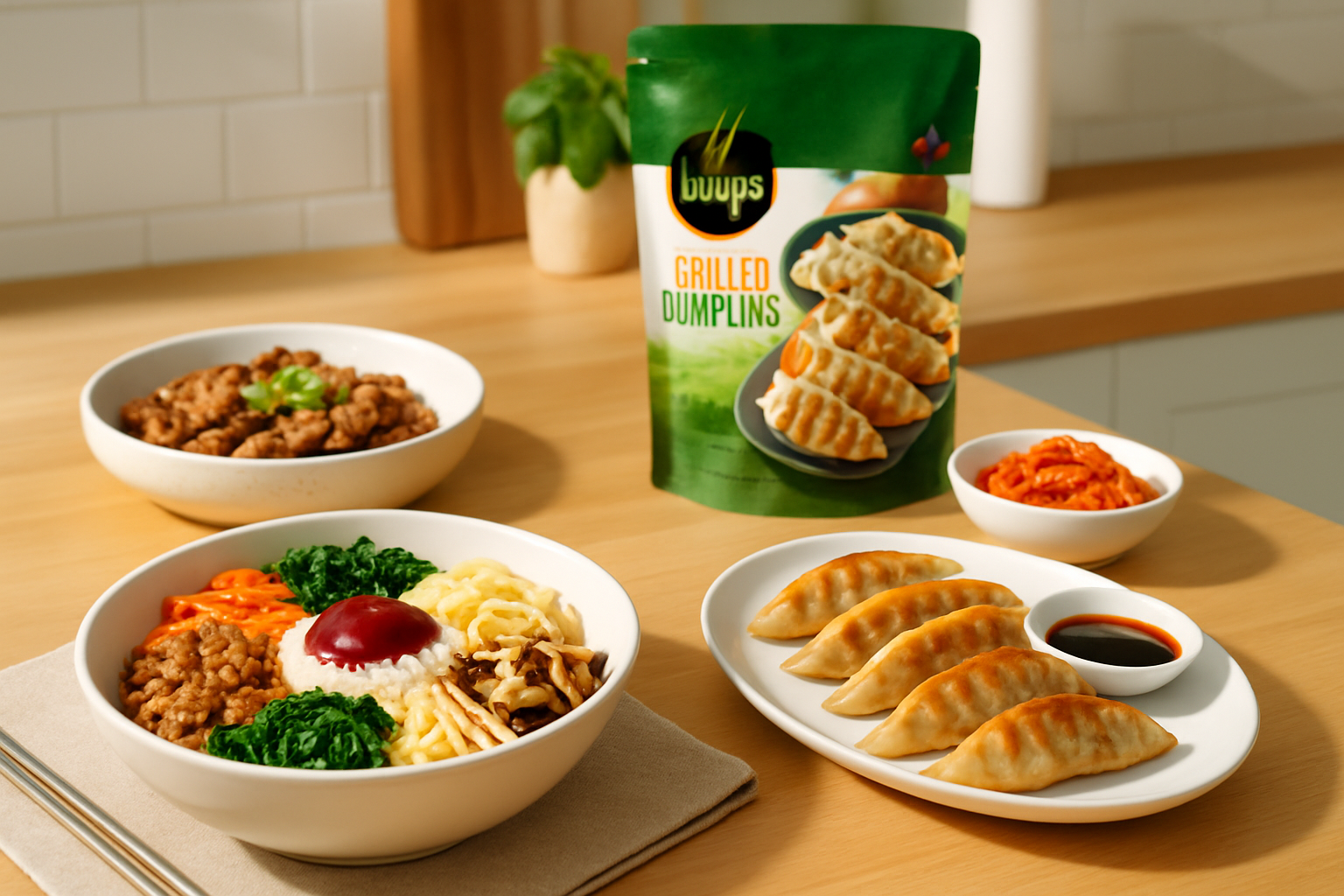
What's really interesting is that the Korean team leaned heavily into the street food angle. Meal kits and street-food-style products were front and center in the promotional strategy, and that approach clearly resonated with Brazilian buyers and visitors. In a country with a deeply vibrant food culture of its own, Korean flavors managed to hold their own — and then some.
By the end of the event, the Korean pavilion had racked up approximately $17 million USD in export consultation deals. That's not final signed contracts, but it represents serious buying interest — the kind of conversations that turn into real trade relationships.
The Bigger Trade Picture
This isn't just a one-off event success, either. The trade numbers heading into the fair were already trending upward. As of April this year, Korean food exports to Brazil had grown by 18.9 percent compared to the same period the previous year. That's a meaningful jump, and it suggests that Brazilian consumers are genuinely warming up to Korean products — not just as a novelty, but as part of their regular shopping habits.
Brazil is the obvious anchor market in South America — it's the continent's largest economy and home to one of the biggest ethnic Korean and Asian communities outside of Asia. But industry watchers see Brazil as a gateway to the broader Latin American market, which has historically been underpenetrated by Korean food brands compared to North America, Europe, or Southeast Asia.
aT has been ramping up its international promotional activities in recent years, focusing not just on East Asian markets where Korean food already has strong footing, but on emerging markets like the Middle East, Central Asia, and now Latin America. The São Paulo fair represents one of the more ambitious pushes into the region to date.
Why Meal Kits and Street Food?
The decision to focus on meal kits and street food formats at the expo was a deliberate one, and it makes a lot of strategic sense. Meal kits lower the barrier to entry for consumers who are curious about Korean food but don't know where to start. You don't need to track down specialty ingredients or know the techniques — you just follow the instructions and you're making tteokbokki or bibimbap in your own kitchen.
Street food products, meanwhile, tap into something universal. Brazil has a massive street food culture — from pão de queijo to coxinha — so presenting Korean food in that accessible, grab-and-go format speaks a language Brazilian consumers already understand intuitively. It's a smart localization move that doesn't dilute the authenticity of the food itself.
Back Home: Tourism Is Booming Too
And while Korean food is winning new fans abroad, back in Seoul the streets are buzzing with visitors who've come to experience it firsthand. The Buddha's Birthday public holiday — a national holiday in South Korea that falls on the fourth lunar month — kicked off a short but welcome break, and Myeongdong, one of Seoul's most famous shopping and tourism districts, was absolutely packed.
Foreign tourists were spotted with shopping bags in both hands, working their way through the district's dense stretch of cosmetics stores, fashion boutiques, and street food stalls. American tourists interviewed at the scene said they were enjoying the food, culture, and landmarks, with plans to visit a royal palace the next day dressed in hanbok, Korea's traditional clothing.
The scene in Myeongdong is backed up by some pretty striking statistics. From January through April this year, South Korea welcomed 6.77 million foreign visitors — a 21 percent increase compared to the same period last year. That figure is being reported as a record high for that time window.
Spending is keeping pace with the foot traffic, too. Cumulative card expenditure by foreign visitors through last month reached 6.0997 trillion Korean won — roughly $4.4 billion USD — up 22.6 percent year-on-year. Merchants in Myeongdong, who have had a complicated few years navigating post-pandemic recovery, were visibly relieved and upbeat about the returning energy in the streets.
A Consistent Pattern Emerging
Put these two stories together and a clear pattern emerges: Korean culture — and Korean food in particular — is having a genuine global moment, and it's showing up in the data, not just in the headlines. Whether it's a Brazilian buyer at a São Paulo trade fair getting excited about kimchi-based meal kits, or an American tourist in Myeongdong lining up for tteokbokki on a stick, the appetite for things Korean is real, it's growing, and it's increasingly translating into economic value.
For aT and the broader Korean food export industry, events like APAS SHOW are about more than any single deal — they're about planting a flag in markets that are only now beginning to discover what the rest of the world has been eating up for years. And if the early numbers from Brazil are any indication, South America might just be the next big frontier for Korean food.
This article is based on reports from Newscj, Naver News, Netongs.