Korea's Tourism Capital Courts the Taiwanese Market
So here's the thing about Korean tourism right now — while everyone is talking about Seoul, there's a whole province in the northeast that's quietly becoming one of the most compelling travel destinations on the peninsula. And this week, Gangwon Province made a serious move to get that message out to one of Korea's fastest-growing visitor markets: Taiwan.
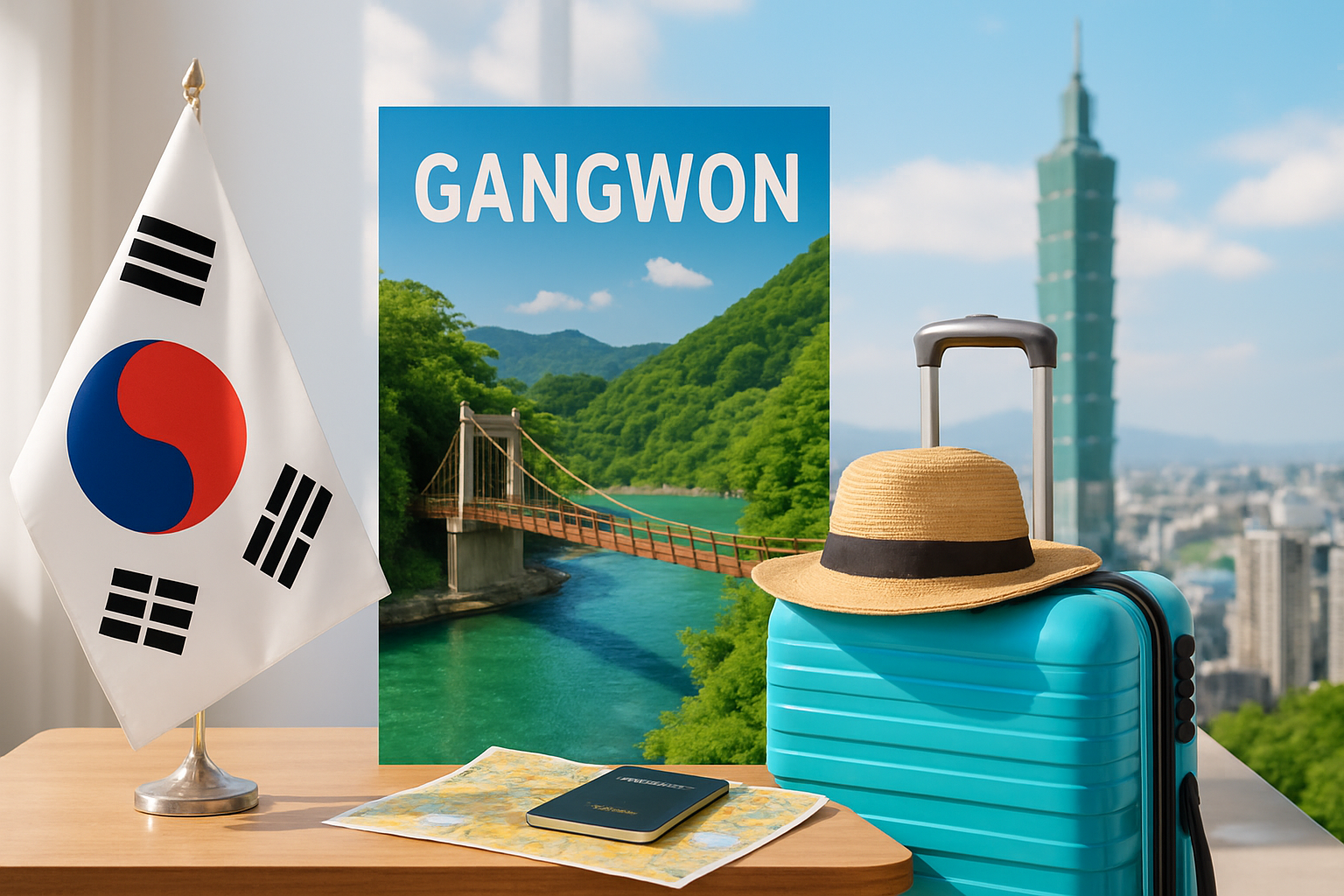
On May 22nd, the Gangwon Special Self-Governing Province and the Gangwon Tourism Foundation hosted the "2026 Taiwan Gangwon Tourism Presentation" at the Grand Hyatt Taipei. About 150 people showed up — local Taiwanese travel industry professionals, tourism agency representatives, and officials from all 18 cities and counties within Gangwon Province. That's not a small gathering. That's a proper, coordinated push.
Why Taiwan, and Why Now?
The timing makes a lot of sense when you look at the numbers. According to Ho Su-yeong, director of the Korea Tourism Organization's Taipei branch, Taiwan's outbound travel to Korea has grown by more than 30 percent this year alone. That's a staggering figure, and it signals that Taiwanese travelers aren't just curious about Korea — they're actively choosing it.
What's really interesting is the specific angle Gangwon is playing here. Rather than competing with Seoul on nightlife or shopping, the province is leaning hard into two things Taiwanese visitors reportedly love most: food and nature. Yoon Tae-hwan, executive director of the Gangwon Tourism Foundation, put it plainly in his opening remarks.
"Nine out of ten Taiwanese tourists who visit Korea rave about the food and seek rest in peaceful landscapes. Diverse culinary experiences and natural scenery are Gangwon's greatest strengths and pride."
That's a smart pitch. Gangwon Province — which sits along the eastern coast and stretches into the mountainous interior of Korea — is home to everything from the coastal city of Gangneung (famous for its coffee culture and fresh seafood) to ski resorts like High1 Resort, to the quiet river towns of Inje and Hwacheon. It's a province that genuinely has range.
The "Visit Gangwon Year" Campaign
This presentation was part of the broader "2025–2026 Visit Gangwon Year" initiative, a campaign designed to position the province as a premium, stay-longer destination rather than a quick day trip from Seoul. That distinction matters. Tourism officials have been pushing what they call "high-value, extended-stay content" — essentially, building itineraries rich enough that visitors want to stick around for multiple nights rather than passing through.
During the event, the Gangwon Tourism Foundation screened promotional videos for all 18 cities and counties in the province and walked Taiwanese travel agents through regional cultures, local festivals, and specific attractions. Think of it as a menu — here's what Chuncheon offers, here's what Sokcho has, here's why you should add two nights in Pyeongchang to your client's itinerary.
Ho Su-yeong from the Korea Tourism Organization wrapped it up with a line that stuck: "Gangwon Special Self-Governing Province is the tourism capital of Korea, where beautiful nature is embedded like jewels. I hope we can ignite a Gangwon tourism boom in Taiwan once again."
Beyond Tourism: A Partnership Framing
At the welcome dinner that followed the presentation, Kim Seok-man, head of the Future Business Division at the Gangwon Ilbo (a major regional newspaper in Gangwon), offered a broader geopolitical frame for the evening's theme.
"In the past, Taiwan saw Korean semiconductors as competition — now they're essential partners and share a common destiny. Tourism should be the same. Not competition, but a win-win. Let's lead the tourism industry together and build a better future."
It's a clever rhetorical move — drawing on the well-known semiconductor partnership between Korea and Taiwan to argue that travel and culture industries deserve the same collaborative spirit.
The night ended on a festive note, with a traditional Korean liquor cocktail show performed by bartender Seo Jeong-hyun, who serves as an official ambassador for Korean traditional spirits (jeontongju). A lucky draw event rounded out the evening, and by all accounts, the Taiwanese guests were genuinely engaged.
Korea Seafood Show Wraps Up in Seoul — With a Kimbap Twist
Meanwhile, back in Seoul, the food side of Korean cultural diplomacy was also making headlines. The 2026 Korea Seafood Show, held from May 19 to 21 at COEX in Samseong-dong — one of Seoul's largest convention centers — wrapped up to strong reviews from both domestic and international attendees.
What made this year's edition stand out wasn't just the seafood. The show was organized around the concept of "participatory global gastro-tourism" rather than a traditional static exhibition, and a significant chunk of the buzz surrounded the formal establishment of a new organization: the Korea Kimbap Promotion Institute.
A Global Platform Built Around Kimbap
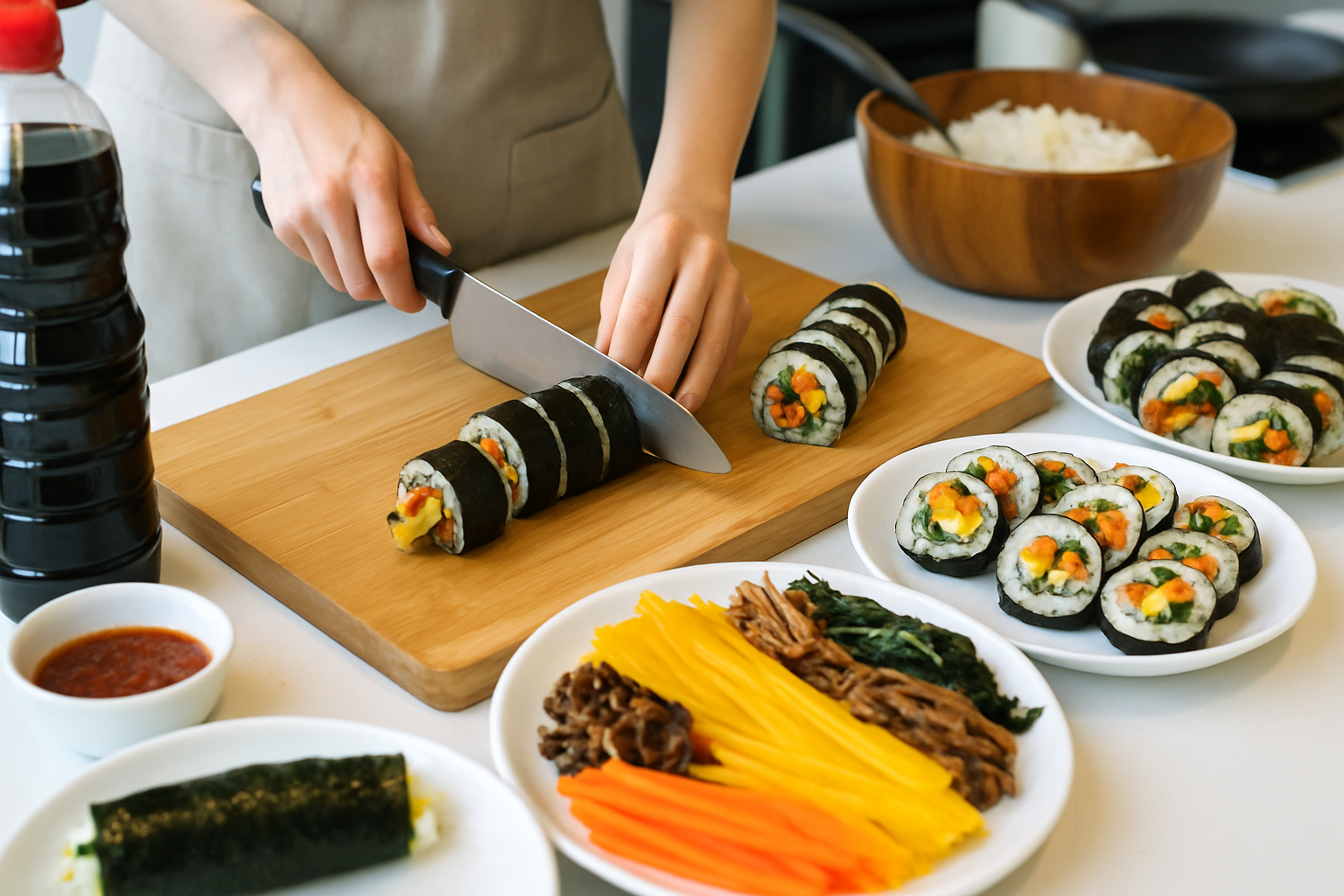
The institute was founded by Chef Kim Rak-hun (known professionally as "Rak Chef"), who oversaw the overall planning, branding, and on-site operations of this year's show. Kimbap — the Korean rice roll that looks similar to Japanese maki sushi but has its own distinct fillings and flavor profile — has been quietly gaining international traction, and Kim is betting big on formalizing that momentum.
The Korea Kimbap Promotion Institute is set up as an integrated platform covering the globalization and standardization of kimbap, culinary education, tourism, cultural content, and global talent development. In short, it's an attempt to do for kimbap what organizations like the World Barista Championship have done for coffee — build an international ecosystem around a single culinary tradition.
A highlight of the event was the formal appointment of Park Mi-ran, a certified Korean culinary master (hansik myeongjang — a prestigious government-recognized designation for masters of traditional Korean cuisine), as Vice President of External Affairs and Global Business at the new institute. According to the institute, Park brings extensive global networks and business expertise to the role, and she outlined plans to host follow-up forums both in the National Assembly and in Vietnam in the latter half of 2026.
The show also saw the launch of a network of 20 "K-Gastro Tourism Creators" — individuals tasked with spreading Korean food culture globally — as well as the involvement of the Korea Producers Association, signaling an ambition to connect local food producers directly to the global stage.
It's a lot of moving parts, but the underlying message is consistent with what's happening in Taipei: Korean regions and culinary institutions are no longer waiting to be discovered. They're actively going out and making the case for themselves.
This article is based on reports from Naver News, Geconomy, Christiantoday.