Korean Food Culture Is Having a Moment — and It's Not Slowing Down
If you've been paying attention to food trends lately, you've probably noticed that Korean cuisine is no longer just a niche interest for K-pop fans or adventurous eaters. It's becoming genuinely mainstream — and a massive wave of activity happening right now in the United States is making that point pretty hard to argue with.
So here's the thing: several major Korean conglomerates are making simultaneous, coordinated moves into the North American market this month, and when you zoom out and look at the full picture, it's actually kind of remarkable.
CJ's Triple Threat: Golf, Pastries, and a Beauty Store
Bibigo at the PGA Tour
Let's start in Texas. From May 20 to 24, the PGA Tour's 'The CJ Cup Byron Nelson' is taking place at TPC Craig Ranch in McKinney, Texas — and CJ CheilJedang, the food and bio giant behind the globally recognized Bibigo brand, is using it as a full-scale K-food showcase.
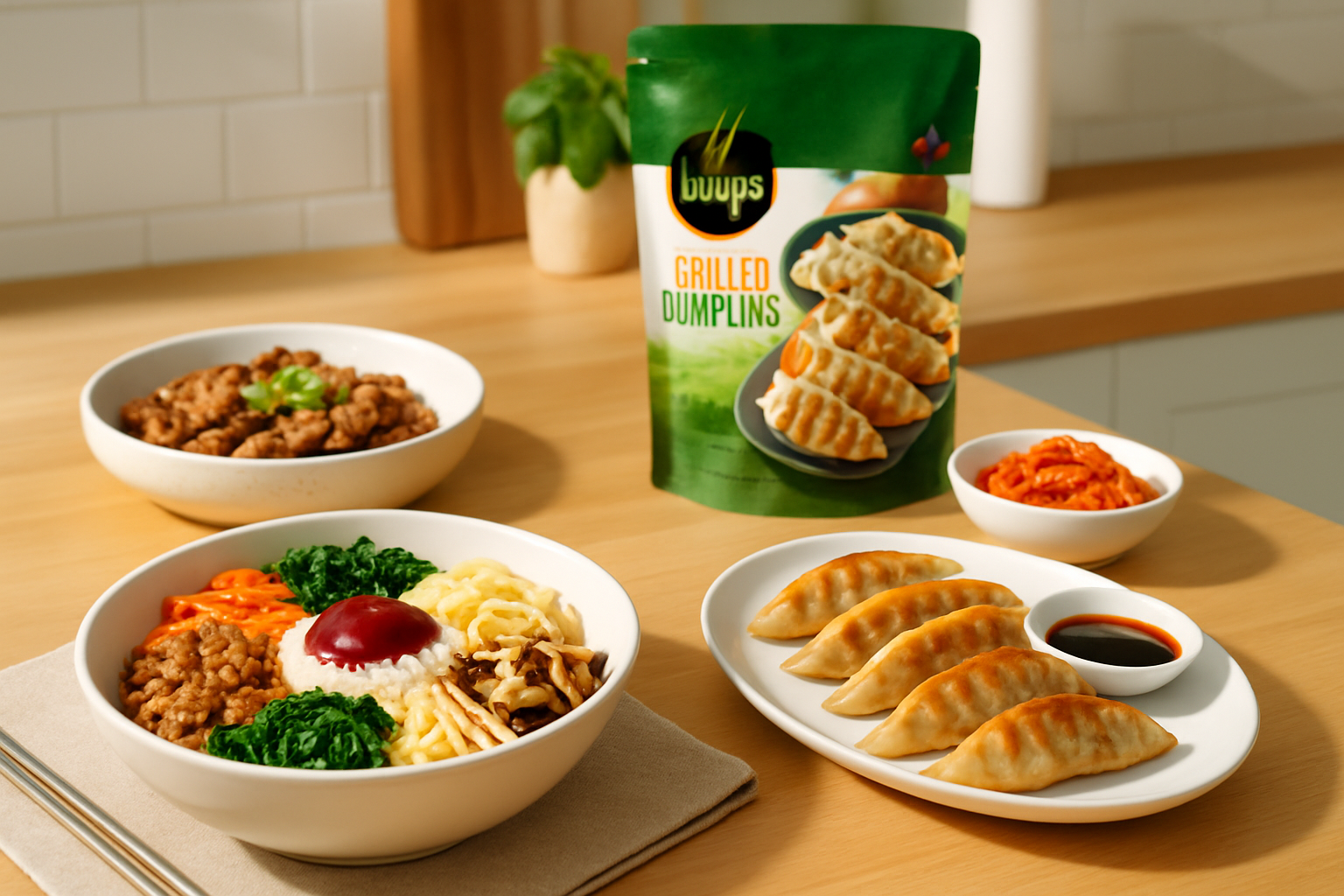
The setup is called 'HOUSE OF CJ,' and it's essentially a massive experiential pavilion in the gallery plaza — think giant pantry concept, a wall stacked floor-to-ceiling with Bibigo products, and a dumpling-shaped photo zone that's clearly designed to go viral. There's also a tasting event tied to Bibigo's newest noodle product, with a social media component built right in.
What's really interesting is the culinary talent they've brought in. Chef Bo McMillan, Chef Park Jeong-hyeon of Atomix — a Korean fine dining restaurant in New York that holds two Michelin stars — and Chef Yu Yong-wook of Yu Yong-wook BBQ Research Institute are all rotating through daily menus featuring Bibigo dumplings, kimchi, K-sauces, and their Sobaaba Chicken line. At hole 17, they're serving mandu (Korean dumplings) and gochujang tacos in both original and spicy versions. And yes, there are cocktails — four varieties made using traditional Korean spirits like munbaeju and gamuchi soju, developed in collaboration with CJ CheilJedang's premium distilled spirits brand 'jari.'
This is not your typical food vendor setup at a sporting event. This is a calculated, high-production introduction of Korean food culture to an overwhelmingly non-Korean audience.
Tous Les Jours Brings K-Bakery to the Fairway
Right alongside the Bibigo booth is another CJ presence: Tous Les Jours, the Korean bakery chain operated by CJ FoodVille. Running May 21 to 25 at the same venue, Tous Les Jours is leaning into what they're calling 'Celebration in Every Day,' showcasing their signature American lineup — most prominently the 'Cloud Cake,' which has been reproduced as a giant photo-op installation on site. Visitors can also try classic Korean bakery staples like danpatbbang (red bean buns) and rich milk cream bread, which tend to surprise first-timers with just how different they are from Western-style baked goods.
CJ FoodVille is also introducing 'Durumi,' a separate K-food brand, at the event — essentially field-testing consumer response before any wider rollout.
Olive Young Opens Its First U.S. Store
Then on May 29 — just days after the golf tournament wraps — CJ Olive Young is opening its first-ever physical store in the United States. The location is on Colorado Boulevard in Pasadena, California, and it's launching alongside a dedicated U.S. online shopping platform on the same day.
For context: Olive Young is South Korea's dominant health and beauty retail chain, operating for over 27 years and functioning as something like a combination of Sephora and CVS, but heavily curated around Korean beauty and wellness products. It already has a massive global online following, but this is the first time it's planting a physical flag in American soil.
The Pasadena store will open with around 5,000 products from approximately 400 brands — a mix of K-beauty labels that have already proven themselves domestically, brands with demonstrated North American traction, and some global names to round out the selection. What's notable is the operational model: Olive Young plans to refresh its shelf curation as frequently as every two weeks to keep up with the fast-moving K-beauty trend cycle. The store will also feature ingredient-exploration sections focused on popular K-beauty components like hyaluronic acid and PDRN, along with hands-on testing stations for toners, cleansers, and sun care products. Online orders over $35 ship free, with delivery times cut roughly in half thanks to a fulfillment center in Bloomington, California.
Samyang's Mini Borymdal Goes to Costco — at Scale
Separate from CJ's offensive, there's another K-bakery story worth knowing about. Samlip, a bakery brand under Sangmidang Holdings (the group chaired by Hur Young-in, who also leads SPC Group), is celebrating the 50th anniversary of its iconic 'Mini Borymdal' — a small, round, mooncake-style snack — by launching it in over 400 Costco locations across the United States.
The initial export volume is approximately 11.75 million packs. To put that in perspective: that's about 21 times larger than Samlip's initial Costco shipment last year when it first introduced its cheese cake product. That kind of scaling suggests this isn't a cautious test — it's a confident bet that American consumers are ready for this product in volume.
Meanwhile, in Korean Cafes: Everything Is Turning Purple
Okay, shift gears for a second, because there's a parallel trend happening in the domestic Korean food scene that's worth paying attention to — partly because, if history is any guide, what takes off in Korean cafes has a way of showing up globally within a year or two.
The ingredient is ube (pronounced oo-beh) — a purple yam originally from the Philippines and other parts of Southeast Asia. It has a subtle sweetness, a soft vanilla-like aroma, and a naturally vivid purple color that requires zero artificial dye. And right now, it is absolutely everywhere in Korean cafes and dessert shops.
Why Ube, Why Now?
So here's what's driving this. First, the visual factor: in a social media environment dominated by short-form video and heavily curated photo grids, color is currency. Ube's purple is striking, natural-looking, and distinctive in a way that photographs beautifully. Brands are not just selling a flavor — they're selling a scene that people want to post.
Second, ube fits neatly into the 'healthy pleasure' consumer mindset that's been building among younger Korean consumers. It's rich in antioxidants and anthocyanins, caffeine-free, and carries a natural, whole-ingredient story that resonates with health-conscious Gen Z and Gen Alpha shoppers.
Third — and this is the business angle — ube is flexible. You can drop it into almost any existing menu item. A classic einspänner (whipped cream coffee) becomes an ube cream einspänner. Bingsu (Korean shaved ice) gets a purple makeover. Donuts, lattes, cheesecakes — all of it works.
Who's Already Doing It
Major Korean café chains have moved fast. A Twosome Place — one of Korea's most recognizable café franchises, similar in positioning to a premium coffee chain — launched ube lattes and cakes as a limited seasonal strategy. Starbucks Korea tested an ube Basque cheesecake and, based on the response, rolled it out nationally. Notted, a trendy donut brand with a strong social media following, went all-in with ube milk cream donuts and ube Dubai purple donuts, effectively turning their stores into an immersive purple seasonal experience.
Even budget café chain Bana Tiger got in on it, combining matcha and ube in a layered smoothie that delivers a visual contrast effect alongside ube cream latte and strawberry ube cream latte options.
What This Means for Food Businesses
Industry analysts are quick to note that ube could be a short-lived trend — similar to how 'two-ppong-kku' (a cream-filled bread snack) had its moment before being displaced by butter tteok. The smarter takeaway for food businesses, they argue, isn't to chase ube specifically, but to understand what ube represents: consumers — particularly younger ones — are increasingly buying experiences and shareable moments, not just food. The progression from matcha green to mango yellow to ube purple tells you that color and visual impact have become core competitive factors in the food industry, on par with taste itself.
Creating a menu item that someone wants to photograph and share has essentially become a prerequisite for relevance, not a bonus. That's a meaningful shift in how the food business works.
The Bigger Picture
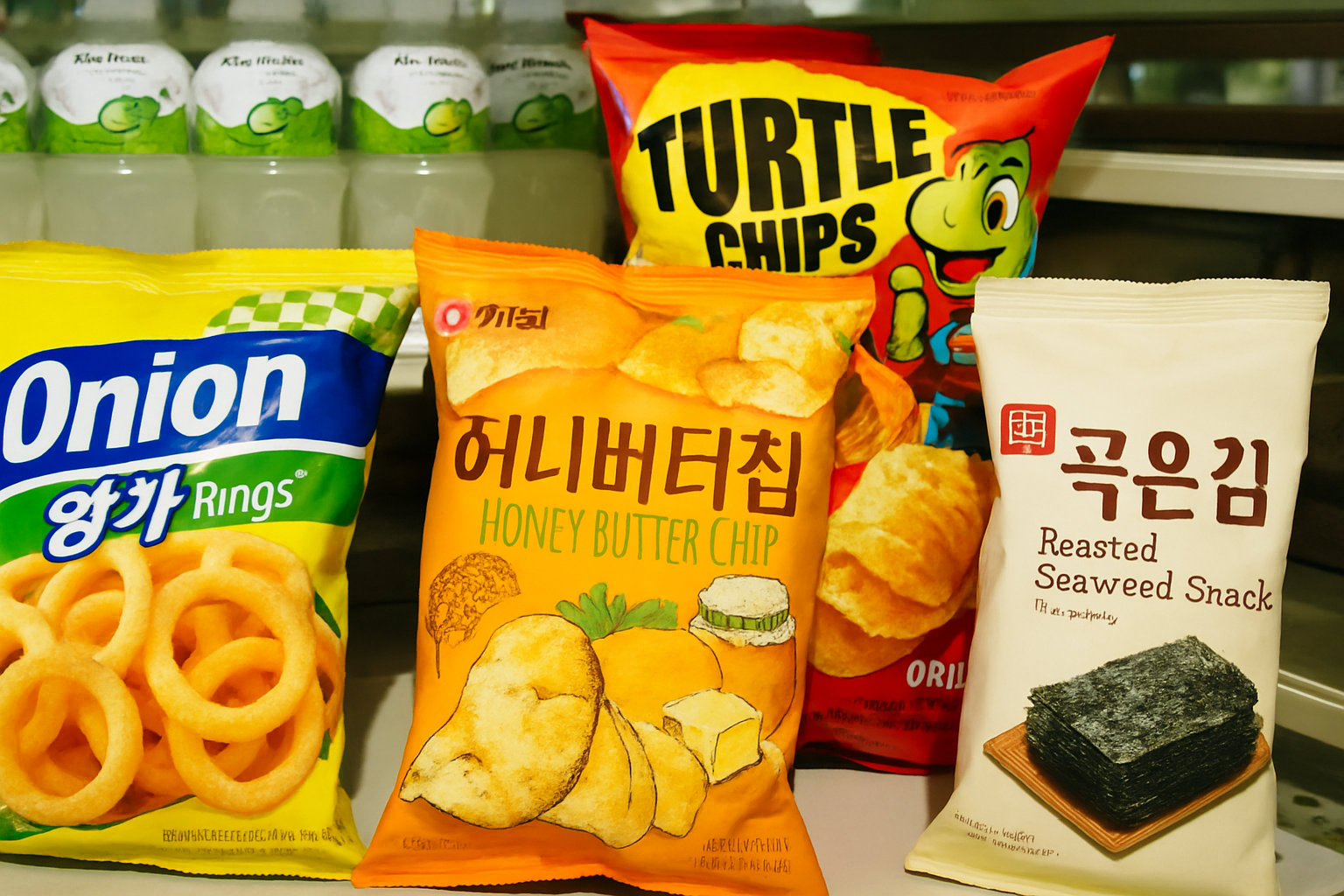
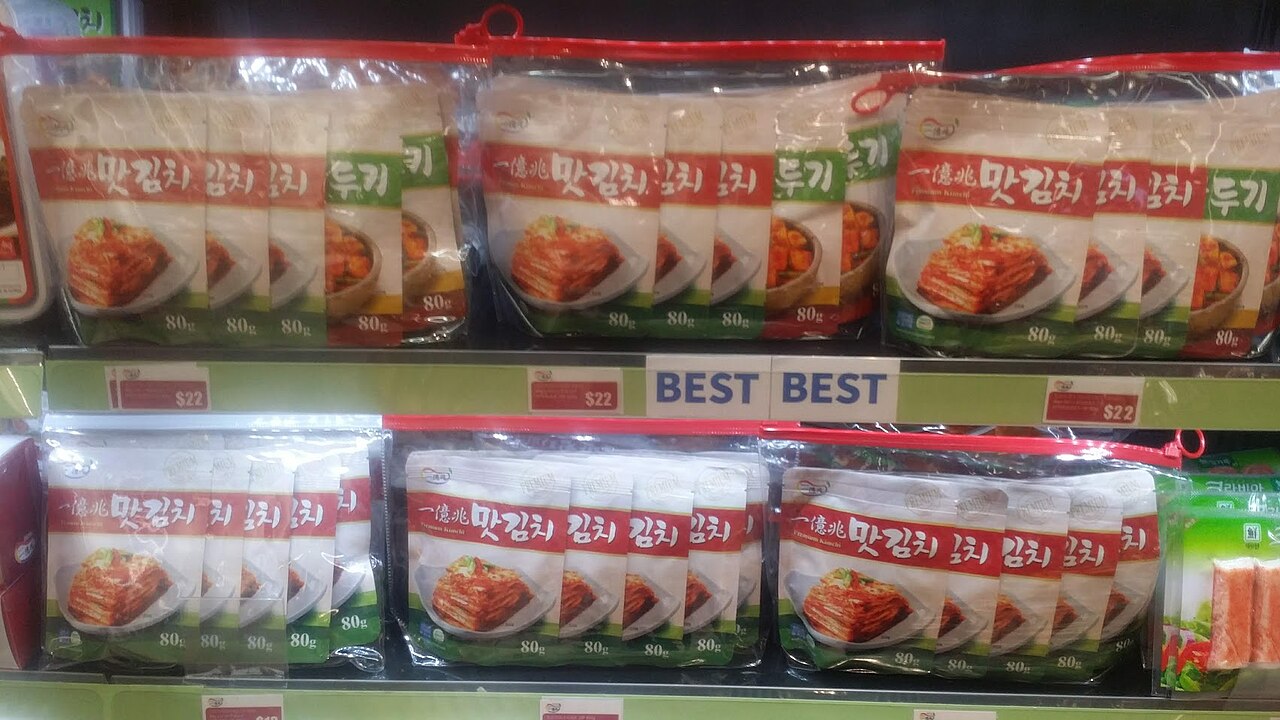
Put all of this together and what you're seeing is Korean food culture operating on multiple fronts simultaneously. At the high-profile, mass-audience level, companies like CJ are investing heavily in experiential marketing at major American events. At the retail level, Korean bakery products are entering Costco at volumes that suggest genuine mainstream demand. And at the trend-setting level, the Korean café scene continues to evolve in ways that have historically proven influential well beyond Korea's borders. K-food has spent years being described as 'emerging' or 'rising.' It's starting to feel like it's simply arrived.
This article is based on reports from Slist, Newsclaico, Smedaily.