Food Is the Final Chapter of K-Culture
So here's the thing about K-Food — it has quietly moved past the "have you heard of kimchi?" phase and is now deeply embedded in dinner tables around the world. And according to Lee Gyu-min, the chairman of the Korea Agro-Fisheries and Food Trade Corporation's Hansik Promotion Institute (a government body dedicated to spreading Korean food culture globally), that's not a coincidence. It's the natural endgame of everything K-Culture has been building toward.
"If K-Culture was the fuse," Lee said in a recent interview, "then food is the final highlight." His reasoning is pretty compelling when you think about it. You can stop streaming a K-drama when your taste changes. You can skip a K-pop playlist. But food? Food gets into your body. It becomes part of your routine. Once your palate adjusts, you keep coming back.
And the numbers are backing him up. Korea's K-Food Plus exports crossed 13 billion US dollars in 2024, with growth accelerating sharply over the past three to four years. In 2025, that figure hit a record-breaking 13.6 billion dollars. That is not a trend. That is an industry.
The Satisfaction Numbers Are Striking
What's really interesting is how satisfied people actually are once they try Korean food. The Hansik Promotion Institute's 2025 overseas consumer survey found that among people who had tried Korean cuisine, satisfaction came in at 94.2 percent. Over 90 percent said they intended to visit a Korean restaurant again. And more than 70 percent of respondents had already been to a Korean restaurant within the past year.
Lee draws a useful parallel here. He points out that Koreans eat Italian pasta or pizza once or twice a month without thinking twice about it — it has become part of everyday life. Korean food, he argues, is on exactly that trajectory for global consumers.
The Korea Tourism Organization has also found that "food and culinary exploration" consistently ranks among the top reasons foreign visitors consider traveling to Korea. So K-Food is not just a product — it is becoming a travel motivation in its own right.
Beyond Kimchi and Bibimbap — The Wider Spectrum
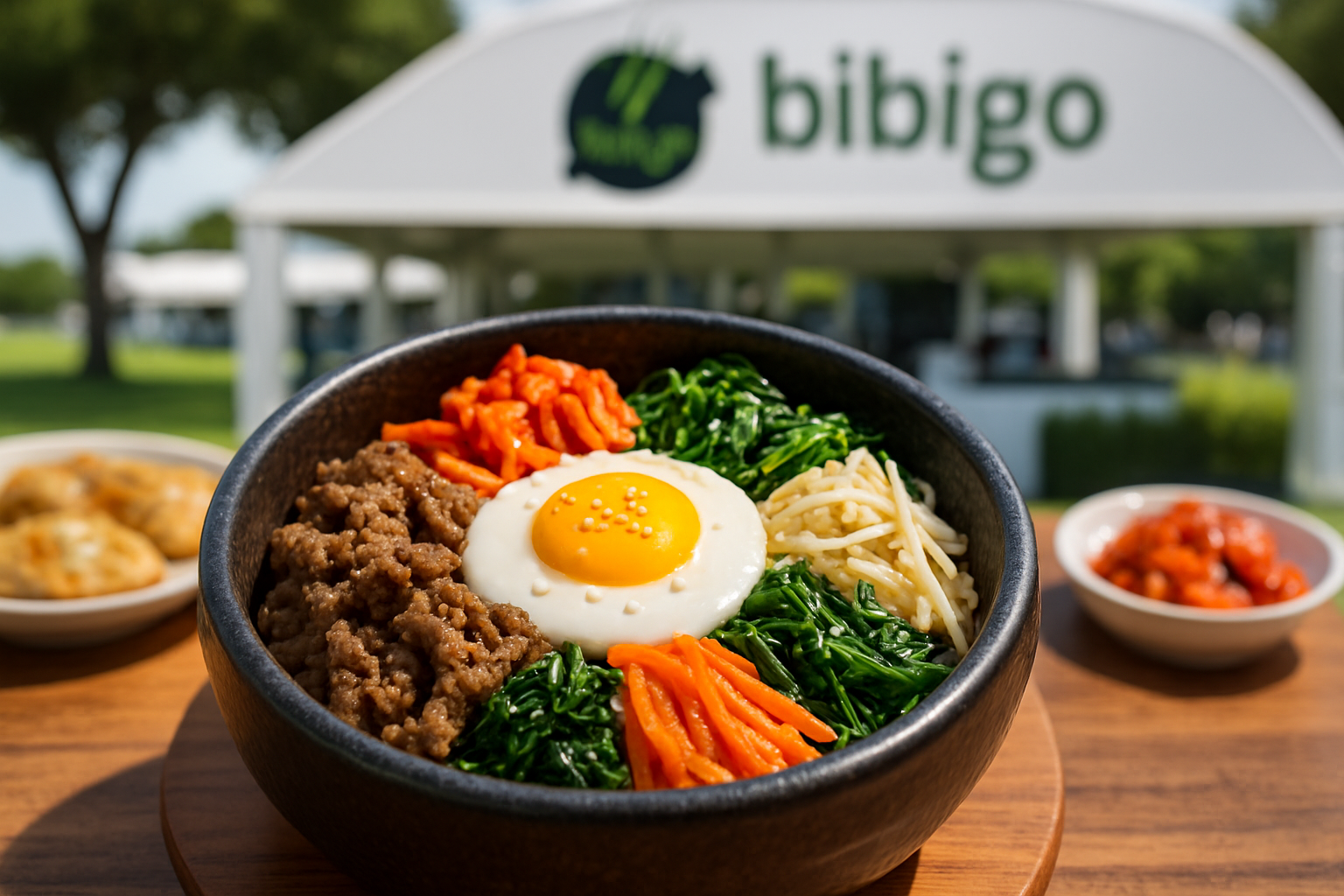
Lee is careful to point out that K-Food does not only mean traditional dishes. Korean fried chicken, gimbap, Korean-style hot dogs, and even coffee mix packets — these are all part of the contemporary Korean food culture that is spreading abroad. The category is wide, and that accessibility has been key.
But to truly convert K-Food popularity into tourism, Lee believes Korea needs to show its full depth. He specifically highlights jang (the family of Korean fermented sauces and pastes like doenjang and ganjang), gukbap (hearty rice-in-soup dishes with deep regional roots), Buddhist temple food, and local heritage cuisines as the next frontier. Regional dishes and ingredients, he argues, are what will differentiate Korean food tourism from a generic "Korean restaurant" experience — and what will actually bring visitors to smaller cities and rural areas, not just Seoul.
He also makes an interesting practical point about evening food culture. Extending visitor dining experiences into the night, he says, is one concrete way to increase tourist spending and time in Korea. Food is one of the most effective tools for doing that.
Temple Food — Spiritual Practice or Michelin Moment?
Now, while all of this commercial momentum is exciting, there is a genuinely fascinating tension sitting at the heart of Korean food's global rise — and it centers on temple food, known in Korean as samsik or jeongsik, more commonly called sachal eumsik.
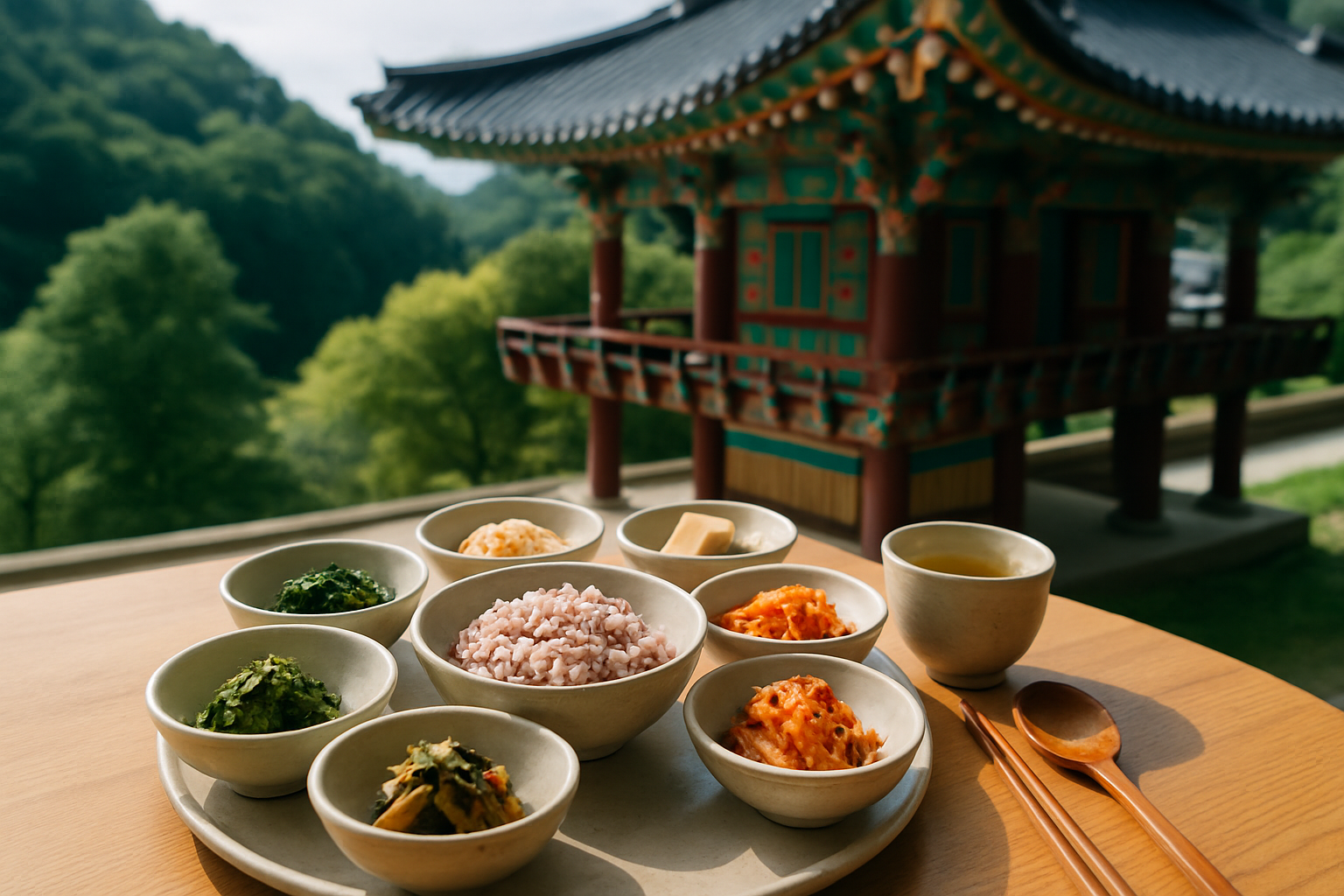
Korean Buddhist temple food is exactly what it sounds like: the centuries-old cuisine developed in Korean Buddhist monasteries, completely plant-based, free of the five pungent vegetables (garlic, green onions, wild chives, leeks, and asafoetida), and deeply tied to a philosophy of mindfulness and restraint. The New York Times once described the nun Jeong Kwan — who appeared in Netflix's acclaimed documentary series Chef's Table — as "the cook making the world's most transcendent food." That's a pretty big statement.
Temple food has been designated a National Intangible Heritage by Korea, and there are active efforts to get it listed as a UNESCO Intangible Cultural Heritage of Humanity. This month alone, temple food master monk Beopson has already met with European audiences twice — conducting a formal communal eating ritual called baru gongyang (a meditative meal practice using traditional wooden bowls) in Germany, and connecting with Swedish audiences who found resonance between Buddhist restraint and their own cultural concept of lagom — the Swedish philosophy of "just the right amount."
Monk Seonjae appeared on Culinary Class Wars Season 2, one of Korea's most-watched competitive cooking programs, where strict judges enthusiastically devoured her bibimbap and praised her pine nut noodle soup. At that moment, temple food had fully arrived as mainstream entertainment.
The Uncomfortable Question
But here is where it gets philosophically thorny. Buddhist scholars and practitioners in Korea are raising a pointed question: when people line up at temple kitchens like they are visiting a trendy restaurant, when monks compete on television, when temple food earns Michelin stars — is that a victory for Buddhist culture, or a quiet surrender to the very materialism Buddhism seeks to transcend?
Scholars including Dr. Gong Man-sik, monk Beopson, and Dongguk University professor Han Su-jin have written publicly about their concern that the public's enthusiasm for temple food is driven by its culinary value, not its spiritual value. The food is admired because it is delicious, healthy, and fashionable — not because it teaches restraint or mindfulness.
"When food that should be a tool of spiritual practice becomes a luxury product ranked by capitalist grading systems, temple food risks becoming a justification for the very indulgence it was meant to counter."
Monk Jeongsan, in a book pointedly titled Temple Food Does Not Exist, grounds this argument in the writing of the ancient Korean Buddhist monk Wonhyo, who described the practitioner's relationship with food in strikingly austere terms: eat just enough to ease hunger, drink just enough to ease thirst. The body will decay regardless of how well you feed it. That is the philosophy. And right now, the world is consuming temple food as a gourmet experience — which may be the precise opposite of what it represents.
Two Truths, One Table
So where does that leave us? Honestly, both things can be true at once. The global spread of Korean food — from convenience store gimbap to meditative monastery meals — represents a genuine and significant cultural shift. The export numbers, the tourism data, the satisfaction surveys all confirm that this is not a passing fad.
At the same time, the scholars raising questions about temple food are not being killjoys. They are pointing at something real: that the most powerful elements of a culture are also the most vulnerable to being hollowed out when they go global. The packaging travels well. The philosophy is harder to export.
Lee Gyu-min's vision — using regional food, local ingredients, and the full spectrum of Korean culinary tradition to drive meaningful tourism and cultural exchange — is the right instinct. But as Korean food takes its seat at the global table, it might be worth asking not just how it tastes, but what it was originally meant to teach us about how we eat.
This article is based on reports from Naver News, Naver News, Biztribune.