The Question Nobody in the Hallyu Bubble Wants to Ask
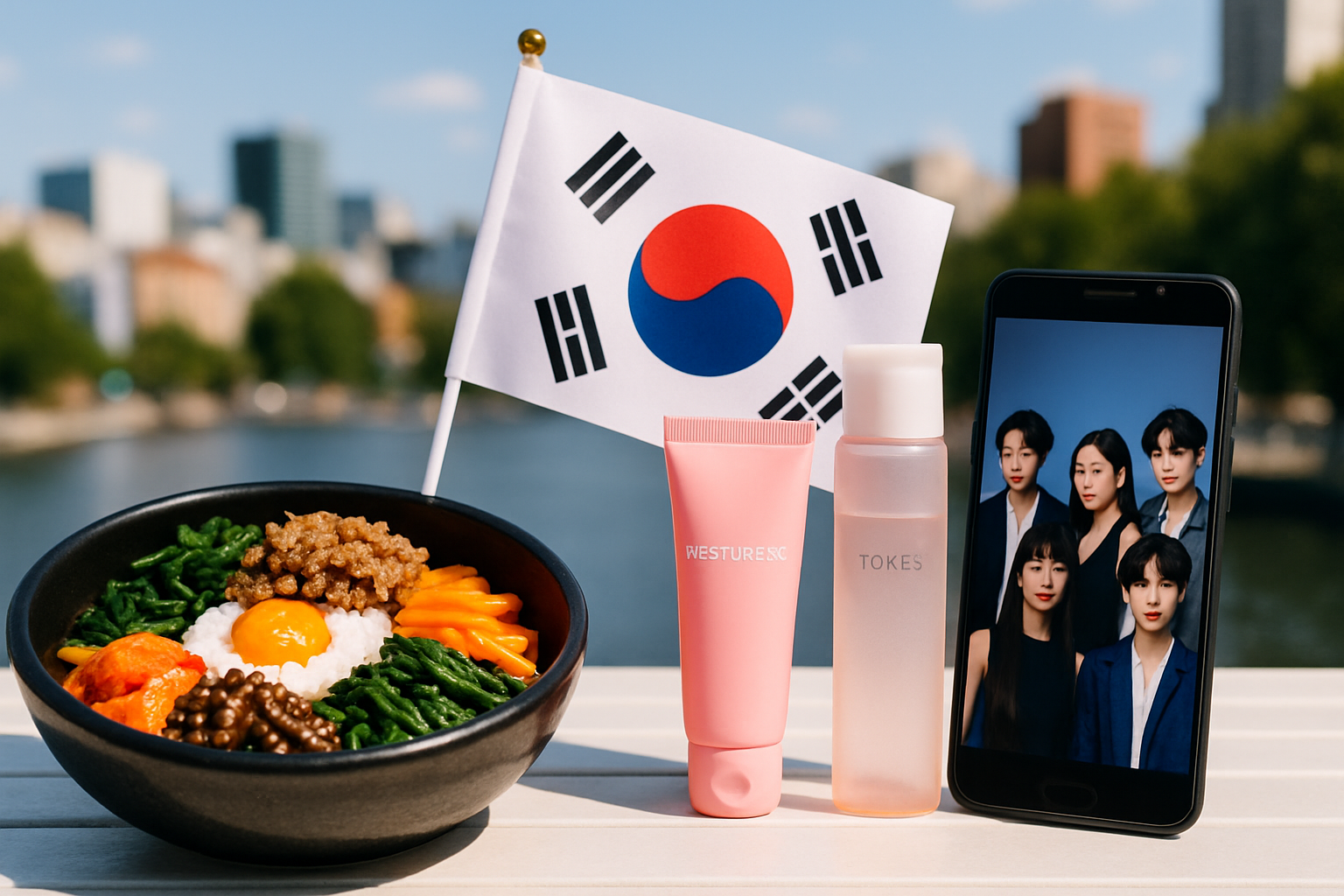
So here is the thing about the Korean Wave — or Hallyu, as it is known globally. It has done something genuinely remarkable. K-pop is on every playlist, K-dramas are dominating streaming charts, Korean food has gone from niche curiosity to mainstream staple, and Korean beauty products line the shelves of pharmacies from Seoul to São Paulo. By any conventional metric, this is an enormous cultural success story.
But Park Hyun-gu, the CEO of Nostalgia Hanok Hotel — a luxury traditional Korean-style accommodation brand — is asking a question that cuts right through the celebration: Is Korean culture being consumed, or is it being revered?
It is a sharper distinction than it might first appear, and honestly, it is one worth sitting with for a moment.
The Difference Between "Like" and "Respect"
Park argues that Hallyu is currently operating at the level of preference — people like it, they consume it, they share it. But there is a higher tier that the world's most enduring cultural and luxury brands occupy, and that tier is defined not by likability but by something closer to reverence. Think of the way people talk about certain French fashion houses, or Italian craftsmanship traditions, or Japanese aesthetic philosophy. There is a depth of respect there that goes beyond trending.
What's really interesting is the way Park frames this gap. He is not saying Korean culture lacks quality. He is saying the packaging-first approach — slapping a premium price tag on something, getting a celebrity to endorse it, giving it a glossy finish — is a shortcut that leads nowhere lasting. True prestige, he writes, is built on two things: the absolute superiority of a thing's essential nature, and its genuine scarcity. Price and presentation must be overpowered by the depth of the idea behind the product.
"Preference is born when you give people what they want. Respect is born when you confidently propose a value they never even thought to ask for."
That line right there is the core of his argument, and it applies well beyond the luxury hotel business Park operates in.
Breaking the Mold to Build the Legacy
Here is where the piece takes a turn that is genuinely thought-provoking. Park says the path to cultural prestige is not about preserving tradition carefully — it is about breaking it deliberately. He uses the Korean word "pakyeok" (파격), which roughly translates to a bold, rule-defying departure from convention. His argument is that the brands and cultural movements that earn long-term respect are the ones that refuse to chase popular taste, and instead set their own rigorous, even stubborn standards and make the world come to them.
To illustrate this, he points to a brilliantly clever product that recently went viral in Korea: the "gatjan" (갓잔), a teacup designed in the shape of a traditional Korean "gat" — the wide-brimmed black horsehair hat historically worn by Joseon Dynasty scholars as a symbol of dignity and intellectual standing. The cup sits upright in hat form, but flip it over and it becomes a vessel for tea. It is a small object, but it captures something big: tradition reimagined not as a museum piece, but as a living, playful, intellectually alive thing.
Park also points to spaces where centuries-old hanok architecture — the curved-roofed traditional Korean wooden buildings — exists alongside cutting-edge media art installations, or where Mies van der Rohe's iconic Barcelona Chair sits without a trace of visual dissonance in a room steeped in Korean heritage. When the familiar suddenly reveals itself as profoundly modern, he says, people do not just feel admiration. They feel what he calls an "ontological shock" — a jolt to their understanding of what is possible.
What This Means for the Korean Wave
So how does this philosophical argument connect to the broader trajectory of Hallyu? Park's view is that Korean culture is standing at a crossroads. The wave has crested in terms of sheer visibility and popularity. The next phase — if there is to be a next phase that matters — requires a shift in posture.
That means Korean creators, brands, and cultural institutions need to stop optimizing for mass appeal and start operating from a place of genuine conviction. It means treating Korean heritage not as a selling point to be highlighted in marketing copy, but as a living intellectual and aesthetic tradition to be actively reinvented. The most powerful tool for designing the present — and the future — is tradition wielded with confidence and creativity, not tradition preserved under glass.
The distinction Park draws between those who merely guard tradition and those who constantly innovate and prove themselves through that innovation is a quietly radical one. Prestige, he says, does not belong to the guardians. It belongs to the disruptors who know what they are disrupting and why.
A Challenge Worth Taking Seriously
For a global audience watching the Korean Wave from the outside, this internal conversation is fascinating precisely because it is self-critical. It would be easy — and quite lucrative, for a while longer — to keep riding the current momentum. Hallyu content sells. Korean beauty products sell. Korean food sells. The numbers are good.
But Park Hyun-gu is essentially arguing that "selling well" is not the finish line. The finish line is the moment when the world looks at Korean culture the way it looks at certain other great cultural traditions — with a mixture of deep curiosity, genuine study, and something approaching awe. That is a harder thing to build, and it cannot be manufactured through marketing campaigns alone.
It requires, in his words, the kind of unforgettable imprint that only comes from a "strange reinterpretation" — the kind that sends a shiver down the spine precisely because it was unexpected.
Whether Korean culture's next chapter delivers that kind of shiver remains to be seen. But the fact that people inside the industry are asking these questions out loud is, in itself, a pretty good sign.
This article is based on reports from Weeklytrade, Marketnews, Naver News.