K-Food's Next Chapter: Affordable Snacks Taking Over American Shelves
So here is the thing about K-food in America — for a long time, the conversation started and ended with ramen and kimchi. Those are great, obviously, but the story has gotten a whole lot more interesting. A new wave of Korean snacks is carving out serious real estate in the American market, and we are not talking about niche specialty items. We are talking about under-five-dollar, grab-it-off-the-shelf, eat-it-on-your-lunch-break kind of snacks.
On June 16, H Mart — the largest Asian supermarket chain in the United States, with dozens of locations across the country — released a curated list of must-try snacks priced under five dollars. And what dominated that list? Korean brands. Specifically, Orion's Koraebab, Emart's No Brand Purple Sweet Potato Chips, and Seoul Milk's Cream Donuts. Each one brings something genuinely different to the table, and American consumers are clearly taking notice.
Koraebab: A 99-Cent Snack That Punches Way Above Its Weight
Let's start with the one that might surprise you the most: Koraebab, sold in the US under the name "Marine Boy Koraebab" and made by Orion, one of South Korea's biggest confectionery companies. This thing costs just 99 cents. In a retail environment where a small bag of chips can easily run you three or four dollars, that price point alone is a conversation starter.
But the price is only part of the appeal. What's really interesting is the product itself. Koraebab is a baked — not fried — puffed snack shaped like tiny sea creatures: whales, sharks, squid. It has a light, crispy texture and a subtly savory seafood flavor coming from seaweed and squid powder. For American snackers who have grown a little tired of the usual heavily-seasoned potato chip, this offers something genuinely different.
The cute shapes are also doing a lot of work here. The snack has found a natural audience among kids, but also among the so-called "funsumer" crowd — that is, Gen Z consumers who actively seek out food that is playful and share-worthy on social media. When your snack looks that good in a photo and costs less than a dollar, it tends to spread fast.
No Brand Purple Sweet Potato Chips: The SNS-Friendly Wellness Snack
Next up is No Brand's Purple Sweet Potato Chips, priced at $3.99. No Brand is the private-label line from Emart, one of South Korea's largest retail conglomerates — think of it as the Korean equivalent of a store-brand product, but one that has developed a real identity of its own.
What makes this one stand out? For starters, the visual. Open that cylindrical container and you are greeted with a striking deep purple color that practically demands to be photographed. It made waves on social media before it even built a loyal customer base through taste alone — though the taste clearly helped it stick around.
The flavor profile is where it really differentiates itself from the salt-heavy American snack market. Purple sweet potato has a gentle natural sweetness balanced with a mild savory note. It is not aggressive or overpowering — which, interestingly, is exactly what a growing segment of American consumers are looking for. The wellness snack trend is real, and this chip fits right into it. Office workers looking for something that feels a little more wholesome during their afternoon snack break have apparently adopted it as a go-to.
There is also a broader significance here. The fact that a private-label product from a Korean retailer is now being selected by discerning North American buyers and landing on shelves at H Mart says a lot about how far Korean food culture has traveled internationally.
Seoul Milk Cream Donuts: Where Dairy Heritage Meets Dessert
Then there is the Seoul Milk Cream Donut, at $2.99. Seoul Milk — formally known as Seoul Dairy Cooperative, or Seoul Milk Hyeopdong Johap in Korean — is a brand with 89 years of history in South Korea's dairy industry. It is not typically the first name you think of when it comes to American snack trends, which makes its appearance on this list all the more interesting.
The cream donut leans on the company's deep expertise in dairy production to deliver something that feels noticeably different from a mass-produced American convenience store donut. The cream filling is rich and genuinely milky — not the artificially sweet kind that tends to dominate the packaged donut category over here. The result is a soft, pillowy donut with a filling that has drawn comparisons to what you would expect from a specialty bakery.
Word of mouth has been building around this product in H Mart's refrigerated and frozen dessert sections, and it is being pointed to as a sign that K-desserts are expanding their footprint in the US well beyond the bingsu and matcha items that first made the category visible to Western audiences.
The Bigger Picture: K-Food Is Becoming Everyday
Industry analysts are reading this H Mart list as more than just a fun snack roundup. What it signals is a meaningful shift in how K-food is being consumed in the United States. For years, Korean food products found their American audience primarily through cultural connection — Korean diaspora communities, K-drama fans, people curious about the cuisine after trying Korean BBQ. That audience is still there and still growing, but something new is happening alongside it.
K-food is increasingly becoming a regular, everyday purchase decision for American consumers who are not necessarily seeking out Korean culture specifically. They are just looking for something affordable, different, and genuinely good. A 99-cent baked snack shaped like a whale fits that description perfectly. So does a purple sweet potato chip that looks great on Instagram and does not make you feel guilty about eating half the container.
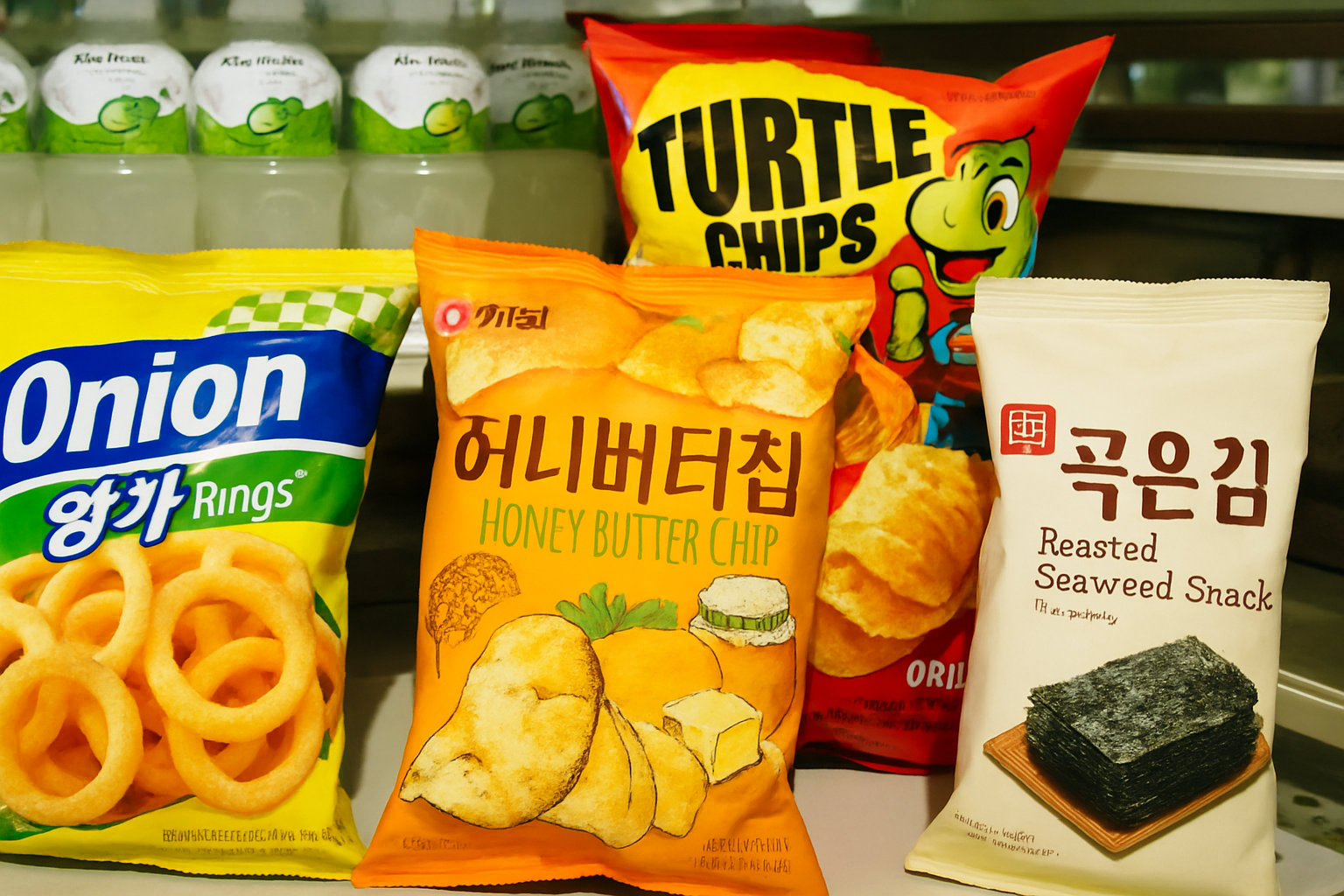
The H Mart list also included other notable Korean snacks in the same price range, including Orion Custard (being positioned as a premium alternative to the classic American Twinkie snack cake), Nongshim's Chicken Leg Snack, and Haitai's Honey Butter Chip and French Pie cookies — all recognized for balancing value with distinctive flavor.
From Ramen Aisles to the Mainstream
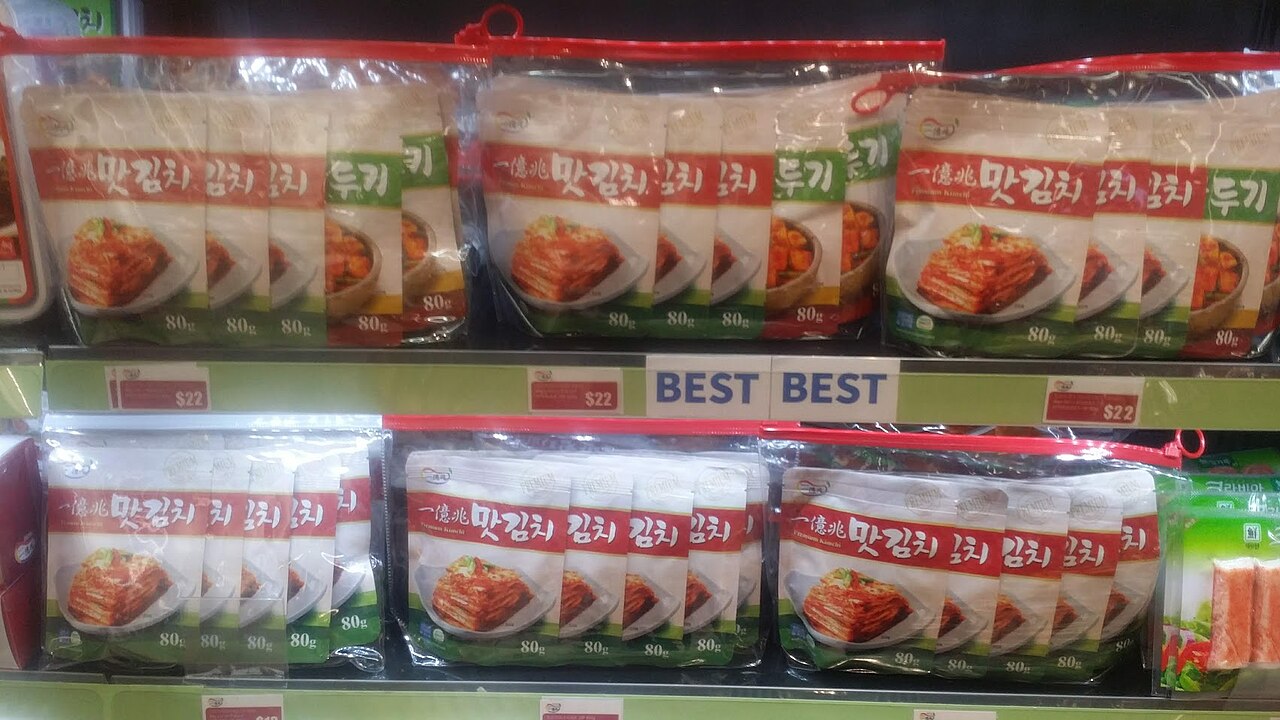
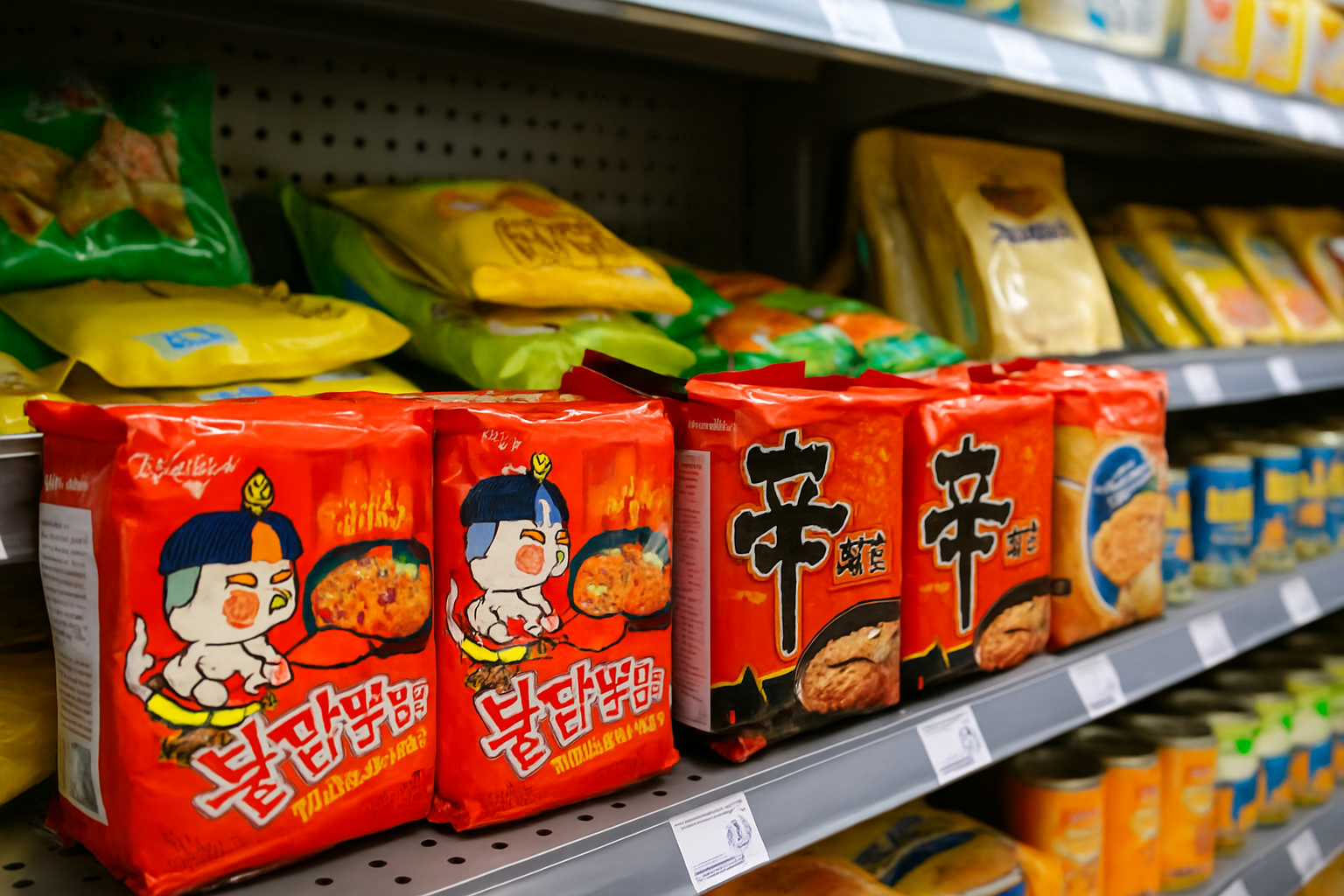
The traditional pillars of K-food exports — ramen, kimchi, gochujang — are not going anywhere. But what this moment illustrates is that Korean snacks are now operating in a completely different lane. They are not riding the coattails of Korean cuisine's broader popularity. They are building their own identity as accessible, affordable, and genuinely craveable everyday snacks.
For Korean food and beverage brands, the American market has historically been a tough nut to crack at scale. But getting your product onto a list like this, in a retail environment like H Mart where foot traffic spans both Korean-American shoppers and curious mainstream consumers, is exactly the kind of organic momentum that turns a trendy import into a pantry staple.
K-food's snack chapter is just getting started — and based on what is landing in American shopping carts right now, it looks like a compelling read.
This article is based on reports from Theguru, Inews24, Popcornnews.