A Korean Food Brand Steps Into the Spotlight in Europe
So here's the thing — when most people think of Korean food going global, they probably picture Korean BBQ restaurants popping up in New York or Los Angeles, or maybe a bibimbap bowl making its way onto a trendy cafe menu somewhere in London. But CJ CheilJedang, the food giant behind the bibigo brand, is thinking on a much larger scale. The company is now actively planting its flag in Europe, and Milan is one of the latest cities where it's making a statement.
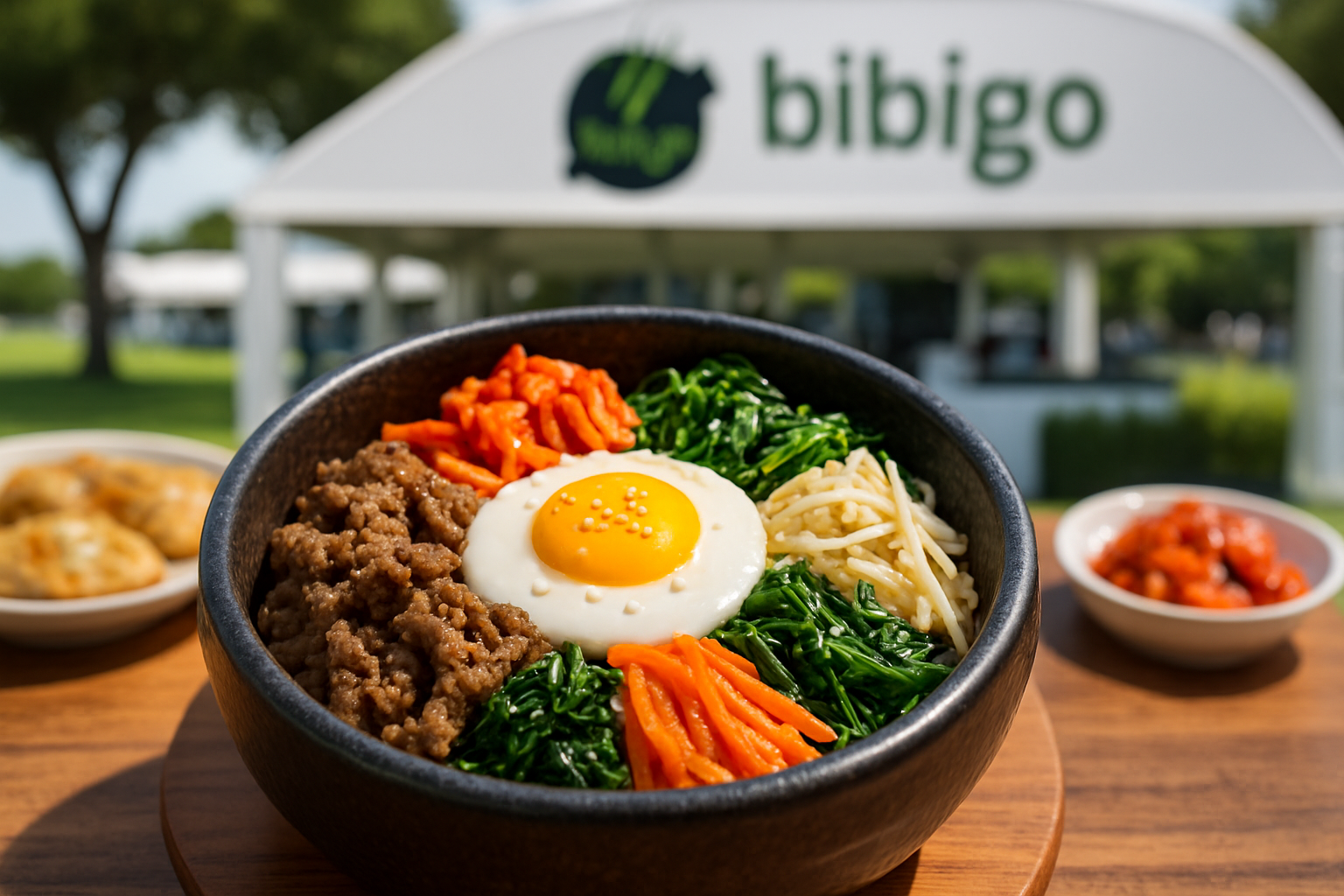
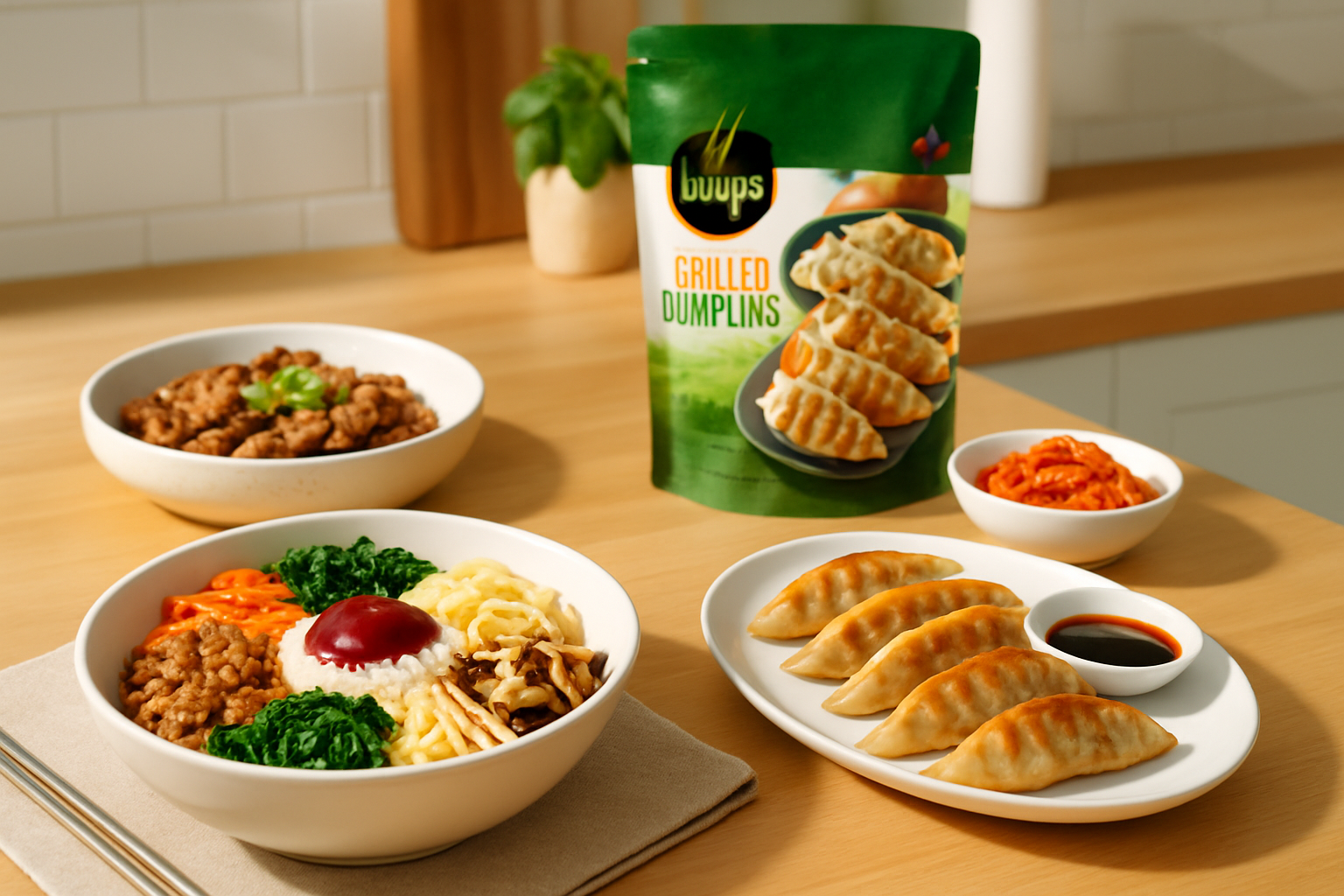
bibigo — CJ CheilJedang's flagship global food brand, known internationally for its dumplings, rice, sauces, and other Korean-inspired products — recently introduced its lineup to consumers in Milan, Italy, as part of a broader push to expand K-food across the European continent. For those less familiar, CJ CheilJedang is one of South Korea's largest food and bio companies, and bibigo has become something of a household name in the U.S. over the past several years. Now, the company wants to replicate that success in Europe.
Why Europe, and Why Now?
What's really interesting is the timing and strategy behind all of this. CJ CheilJedang's domestic South Korean market is becoming increasingly competitive, and growth opportunities there are looking more uncertain. So the company needs a second engine of growth — and Europe is being positioned as exactly that.
The company's overseas food business revenue has grown significantly, jumping from roughly 4.13 trillion Korean won in 2020 to approximately 5.92 trillion won last year — a 43.5 percent increase. The share of overseas sales within total food revenue also climbed from 46 percent to 51 percent during the same period. That's a meaningful shift, and it tells you that the global strategy is already delivering results.
Lee Jae-hyun, chairman of CJ Group — the parent conglomerate of CJ CheilJedang — has made no secret of his ambitions for Europe. In September of last year, he made a rare personal field visit to London alongside key executives to assess expansion opportunities across the continent. For a group chairman to personally visit a regional market like that, it signals just how seriously Europe is being taken within the company's global roadmap.
"We must not miss the K-Wave spreading across Europe, and must quickly take the lead in local markets to leap forward as a pan-European top-tier player," Chairman Lee was quoted as saying at the time.
The Numbers Tell a Compelling Story
bibigo products are currently sold across 27 European countries, with the brand expanding from its Western European base into Southern, Northern, and Central Europe. And the results in key markets are already turning heads.
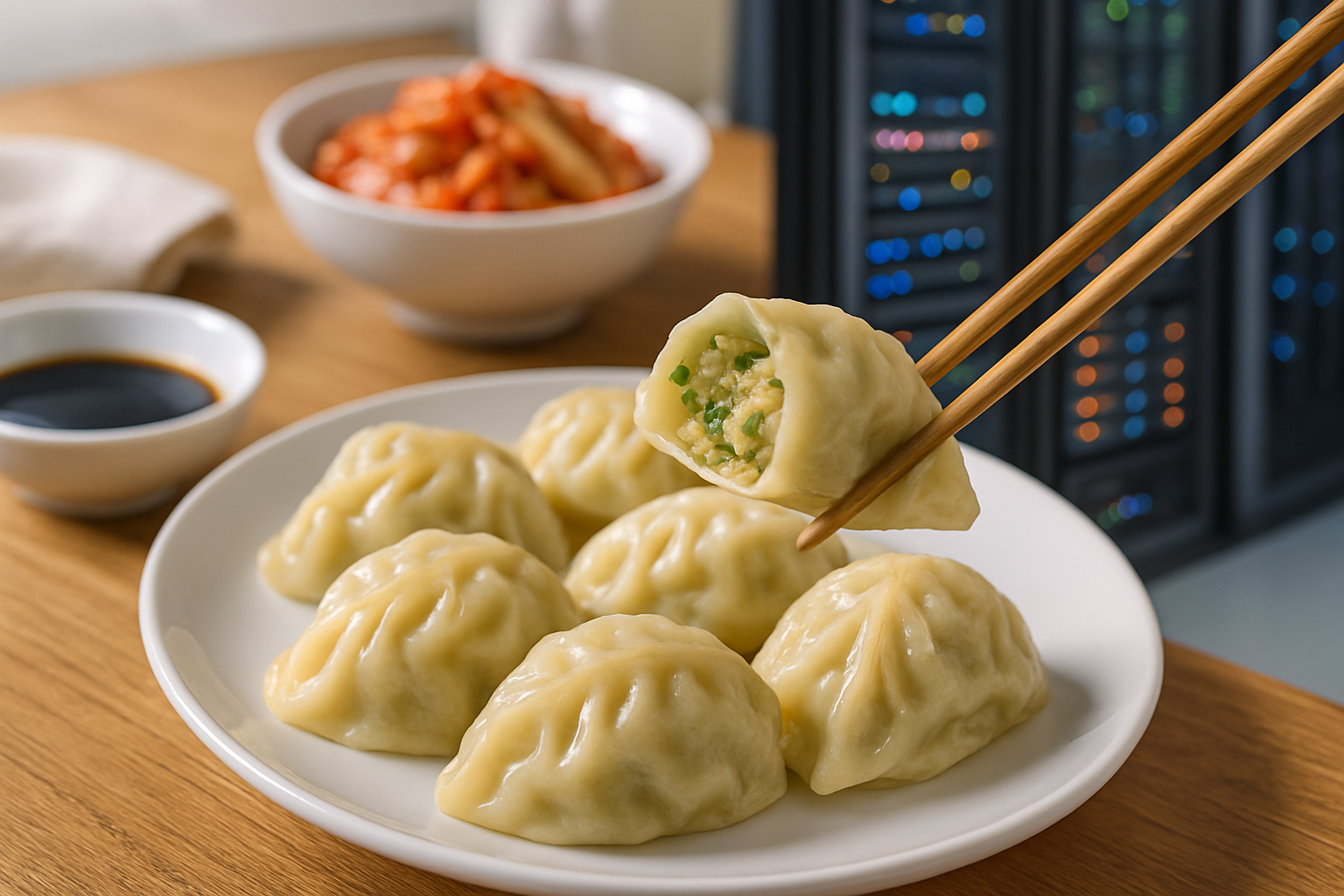
In Germany, bibigo dumplings — known in the West as "mandu" or simply "Korean dumplings" — captured a 48 percent share of the B2C frozen dumpling market last year. In the Netherlands, that figure was even higher at 55 percent. Both figures represent market leadership positions. To put that in perspective, this is a Korean brand outselling all competitors in a traditionally non-Asian food market. That's not a small thing.
CJ CheilJedang's European food business crossed the 100 billion Korean won annual revenue threshold for the first time in 2024, and in the first quarter of this year, the business grew 17 percent year-on-year, driven by global strategy products including dumplings, chicken, and noodles.
The brand is also steadily gaining shelf space in major European retail chains — a critical milestone for any food brand trying to break into mainstream consumer habits. bibigo products can now be found in UK retailers Sainsbury's and Morrisons, French retail giant Carrefour, Germany's Rewe, and the Netherlands' Albert Heijn, among others.
Building a Production Base in the Heart of Europe
Expansion into new retail channels is one thing, but CJ CheilJedang is also making serious infrastructure investments to support long-term growth. The company confirmed in late 2024 that it secured a site near Budapest, Hungary, and has begun construction on a new European K-food production facility — its first owned manufacturing plant on the continent.
The investment totals approximately 100 billion Korean won, and the factory is equipped with state-of-the-art automated production lines. bibigo dumpling production is expected to begin in the second half of this year. Previously, the company's only European production base was a factory acquired through its 2018 purchase of German frozen food company Mainfrost.
Hungary isn't just a convenient location — it's a strategic gateway. From Budapest, CJ CheilJedang plans to extend its reach into Poland, the Czech Republic, Slovakia, and the broader Balkans region. Plans to add bibigo chicken production lines at the facility are also in the pipeline.
The Blueprint Comes from America
If you want to understand where CJ CheilJedang is headed in Europe, look at what it already accomplished in the United States. In 2019, the company made a bold move — a 2 trillion Korean won acquisition of Schwan's, a major American frozen food manufacturer. That deal gave CJ CheilJedang access to a distribution network spanning all of North America, and it accelerated bibigo's rise in the U.S. market dramatically.
Today, bibigo dumplings hold a 47 percent share of the U.S. B2C dumpling market — more than three times the share of the second-place brand. The company operates 20 factories across the United States, producing dumplings, fried rice, kimchi, K-sauces, and chicken. A new North American facility in South Dakota, set to become the largest Asian food factory in the region, is currently under construction and expected to be completed next year.
The European playbook borrows heavily from this model — strategic acquisitions to gain distribution footing, followed by owned production investment, followed by aggressive retail penetration. Milan fits into this narrative as a high-profile consumer touchpoint in one of Europe's most food-conscious markets.
K-Culture as a Marketing Engine
Beyond the retail shelves and factory floors, CJ CheilJedang has also been investing in brand visibility through cultural events. The company leverages THE CJ CUP Byron Nelson — a PGA Tour golf tournament sponsored by CJ Group — as a major global marketing platform for bibigo.
This year marks the tournament's 10th anniversary, with the event taking place over four days in Texas. CJ Group operates bibigo food concessions and an experiential activation called "House of CJ" at the venue, introducing K-food and broader Korean culture to a large and diverse audience. Attendance has grown from 35,000 in the tournament's early years to 180,000 last year — and the economic impact of the event has been estimated at around 200 billion Korean won.
It's worth noting that since the CJ CUP moved to the U.S. in 2020, CJ CheilJedang's American sales have grown by 47.6 percent. Coincidence? The company doesn't think so.
What This Means for K-Food in Europe
Here's a bit of context that's useful for understanding the European opportunity: Korean cuisine still has relatively limited mainstream presence in Europe compared to Japanese, Chinese, or Vietnamese food. But the continent has high purchasing power, strong openness to multicultural food experiences, and — particularly in the UK — a well-developed ready-meal market that could easily accommodate Korean-inspired products.
CJ CheilJedang sees that gap not as a challenge, but as an open runway. With Milan now added to its growing list of European engagement points, bibigo is making it clear that this is not a casual experiment. It's a long-term campaign to make Korean food a staple in European households — one dumpling at a time.
"We will continue to expand K-food's global new territory through global strategy products including dumplings," a CJ CheilJedang official said, adding that the company plans to continue pursuing mainstream channel expansion and product category growth in Europe in line with the opening of the Hungary factory.
This article is based on reports from Dailypop, Koreatimes, Insightkorea.