A Food Trend Rooted in Korean Seasonal Tradition
So here's the thing — if you've been scrolling through Korean food content lately, you've probably noticed a sea of colorful bowls piled high with fresh spring greens. That's not a coincidence. A food trend called "Dujjonku" has been sweeping South Korea, and it's brought a very old, very beloved dish back into the spotlight: bibimbap made with seasonal spring vegetables.
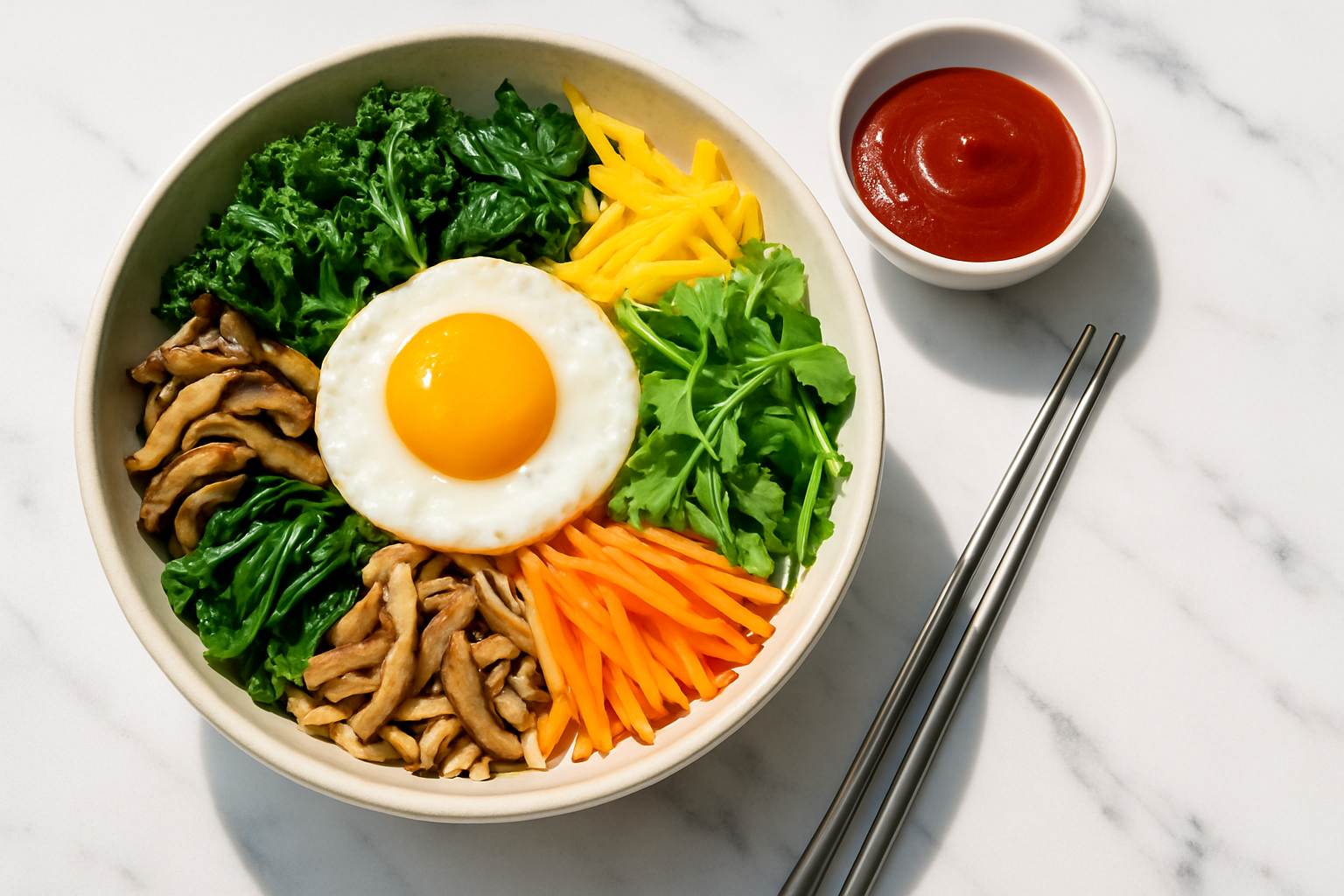
Bibimbap, for those who may not be familiar, is one of Korea's most iconic dishes — a bowl of steamed rice topped with an assortment of vegetables, a protein, and gochujang (Korean red pepper paste), all mixed together before eating. The name literally means "mixed rice." It's been a staple of Korean cuisine for centuries, but the current craze gives it a very specific, seasonal spin.
What Exactly Is "Dujjonku"?
The term "Dujjonku" is a shorthand portmanteau that Korean food enthusiasts coined to capture a broader eating trend focused on seasonal spring greens — think young shoots, wild herbs, and freshly harvested vegetables that are only available for a brief window in the spring. The idea is simple: eat what the season gives you, and eat a lot of it.
What's really interesting is that this trend isn't entirely new in spirit. Koreans have long had a tradition of eating seasonal namul — blanched or seasoned wild greens — especially in spring, when the earth produces an abundance of tender, nutritious plants. Dujjonku, in a way, is a modern rediscovery of that tradition, turbocharged by social media and a growing interest in wholesome, plant-forward eating.
The spring greens most commonly featured in this trend include:
- Dureup (angelica tree shoots) — slightly bitter, prized for their distinct aroma
- Ssuk (mugwort) — earthy and fragrant, a classic Korean spring herb
- Minari (water parsley) — crisp and refreshing, made internationally famous by the film of the same name
- Chwi-namul (aster scaber) — one of the most beloved wild greens in Korean cuisine
- Bomdong (spring cabbage) — sweeter and more tender than regular cabbage
The Bibimbap Connection
Bibimbap has always been a natural vehicle for namul, so it makes complete sense that the Dujjonku trend would send people rushing to make spring greens bibimbap. The dish lets each ingredient shine individually before everything comes together in one harmonious bowl — and when you're working with high-quality, in-season greens, that contrast of textures and flavors is genuinely something special.
Restaurants across Seoul and beyond have been updating their menus with spring greens bibimbap specials, and home cooks have been posting their own versions online at a rapid pace. What's driving the visual appeal is partly the sheer variety of colors — deep greens, pale yellows, bright reds from the gochujang — that make these bowls almost irresistibly photogenic.
How to Enjoy Spring Greens Bibimbap the Healthy Way
Here's where it gets practical. While the trend is fun and the food is delicious, nutritionists and food experts in Korea have been weighing in on how to get the most out of this seasonal eating moment without overdoing it.
Balance Your Greens
Spring greens are packed with vitamins and minerals, but some — like mugwort — are quite potent and are best enjoyed in moderate amounts. Variety is key. Rather than loading up on just one type of green, mixing several different namul in your bibimbap gives you a broader nutritional profile and a more balanced flavor.
Watch the Sodium
Many traditional namul preparations involve salting, soy sauce, or doenjang (fermented soybean paste) for seasoning. While these add tremendous depth of flavor, it's worth being mindful of sodium intake, especially if you're eating bibimbap regularly as part of the trend. Opting for lighter seasoning on the greens and using gochujang sparingly can keep things in a healthier range.
Don't Skip the Protein
A common mistake when going heavy on the vegetables is neglecting protein. Traditional bibimbap often includes a fried egg on top and sometimes marinated beef (bulgogi) or tofu. Keeping some form of protein in the bowl helps with satiety and ensures the meal is nutritionally complete — not just a beautiful arrangement of greens.
Choose the Right Rice
Swapping out regular white rice for multigrain rice (japgokbap), which blends white rice with grains like black rice, barley, and millet, is a popular upgrade that adds fiber and nutrients. It's a small change that makes a meaningful difference, and it pairs beautifully with the earthy flavors of spring namul.
Eating with the Seasons — A Timeless Korean Philosophy
What makes the Dujjonku and spring greens bibimbap trend genuinely worth paying attention to is that it reflects something deeper than just a viral food moment. Korean culinary culture has always emphasized the concept of "jeolsik" — eating foods that are in season and appropriate for the time of year. Spring, in traditional Korean thinking, is the time to cleanse the body after winter, replenish energy, and take in the light, bitter, and aromatic qualities of fresh greens.
Spring greens aren't just a trend — they're a seasonal ritual that Koreans have returned to for generations, now finding a new audience through food culture and social media.
In that sense, the current craze is less of a departure from tradition and more of a homecoming. And honestly, whether you're in Seoul or anywhere else in the world, there's something genuinely appealing about slowing down, paying attention to what's in season, and building a meal around the best that nature currently has to offer.
If you've never tried making bibimbap at home, spring is arguably the best time to start. Hit a Korean grocery store, pick up a few different types of fresh greens, cook a pot of multigrain rice, and grab a jar of gochujang. The rest is just mixing — which, after all, is the whole point.
This article is based on reports from Sjbnews, Gukjenews, Breaknews.