The Korean Food Craze in India Is Very Much Alive
So here's the thing — every few months, someone declares that the Korean food trend is "peaking" or about to fade. And every few months, the numbers prove them wrong. India is one of the clearest examples of this. What started as a niche obsession among K-drama fans in metro cities like Mumbai and Delhi has quietly grown into something much broader, much deeper, and frankly, much more interesting.
Korea's culinary wave in India is not slowing down. If anything, it's accelerating — and what makes this story particularly compelling is where it's spreading. This is no longer just a cosmopolitan, big-city crush. Indian consumers in tier-2 and tier-3 cities are getting in on it too, driven by the cultural reach of Korean pop music, drama series, and an increasingly curious food culture.
From K-Drama Screens to Indian Kitchens
It's hard to talk about Korean food's rise in India without talking about the so-called "Korean Wave," or Hallyu — the global spread of Korean culture through music, television, and entertainment. For Indian audiences, the gateway was almost always a K-drama or a BTS music video. But once they were hooked on the culture, curiosity about the food followed naturally.
What's really interesting is how that curiosity translated into actual consumer behavior. Korean instant noodles — particularly the fire noodle challenge varieties from brands like Samyang — became viral sensations on Indian social media platforms. Young Indians were filming themselves attempting the spicy noodle challenge, and suddenly, Korean food wasn't abstract anymore. It was something you could buy, cook, and share with friends.
Korean snacks, ramyeon (the Korean-style instant ramen), tteokbokki (spicy rice cakes), and even kimchi have found their way onto the shelves of Indian specialty stores and e-commerce platforms. The demand has been consistent enough that importers and local food entrepreneurs have taken notice.
Beyond the Metros: The Real Story
Here's where it gets genuinely surprising. The assumption was always that Korean food enthusiasm would be concentrated in India's largest cities — your Mumbais, Delhis, Bangalores. And yes, those markets matter. Korean restaurants and pop-up food experiences have proliferated in these urban centers. But the appetite has traveled further than most analysts predicted.
Smaller Indian cities, places that might not have a dedicated Korean restaurant or even a well-stocked international grocery aisle, are participating in this trend through online retail. Platforms like Swiggy, Zomato, and Amazon India have become crucial conduits for Korean food products reaching consumers who would otherwise have no access. A teenager in Jaipur or Coimbatore can now order Korean instant noodles or snacks the same way their counterparts in Seoul might.
This digital access has been a game-changer. It means the Korean food trend in India is not constrained by physical infrastructure — it travels as fast as internet connectivity and delivery logistics allow. And in India, both of those are expanding rapidly.
What Indian Consumers Are Actually Buying
So what does the Korean food basket look like for the average Indian consumer? A few categories have emerged as consistent bestsellers.
- Instant noodles and ramyeon: Samyang's Buldak (fire chicken) noodles remain enormously popular, driven almost entirely by social media virality. The spice-tolerance culture in India means many consumers are genuinely unfazed by the heat level — or actively seek it out.
- Korean snacks: Choco Pie, Pepero (a chocolate-dipped biscuit stick), and various rice-based snacks have found dedicated followings.
- Sauces and condiments: Gochujang (Korean red chili paste) and doenjang (fermented soybean paste) are starting to appear in home kitchens among food-curious consumers experimenting with Korean recipes.
- Skincare-adjacent food curiosity: There's a fascinating intersection here — Indian consumers who are already invested in Korean beauty (K-beauty) are more likely to explore Korean food, linking the two through a broader lifestyle aspiration.
The Restaurant Scene Is Catching Up
On the dining-out side, Korean restaurants in India's major cities have reported strong foot traffic, and the demographic isn't limited to young K-pop fans. Families, corporate lunch crowds, and older consumers curious about a new cuisine have all been part of the mix.
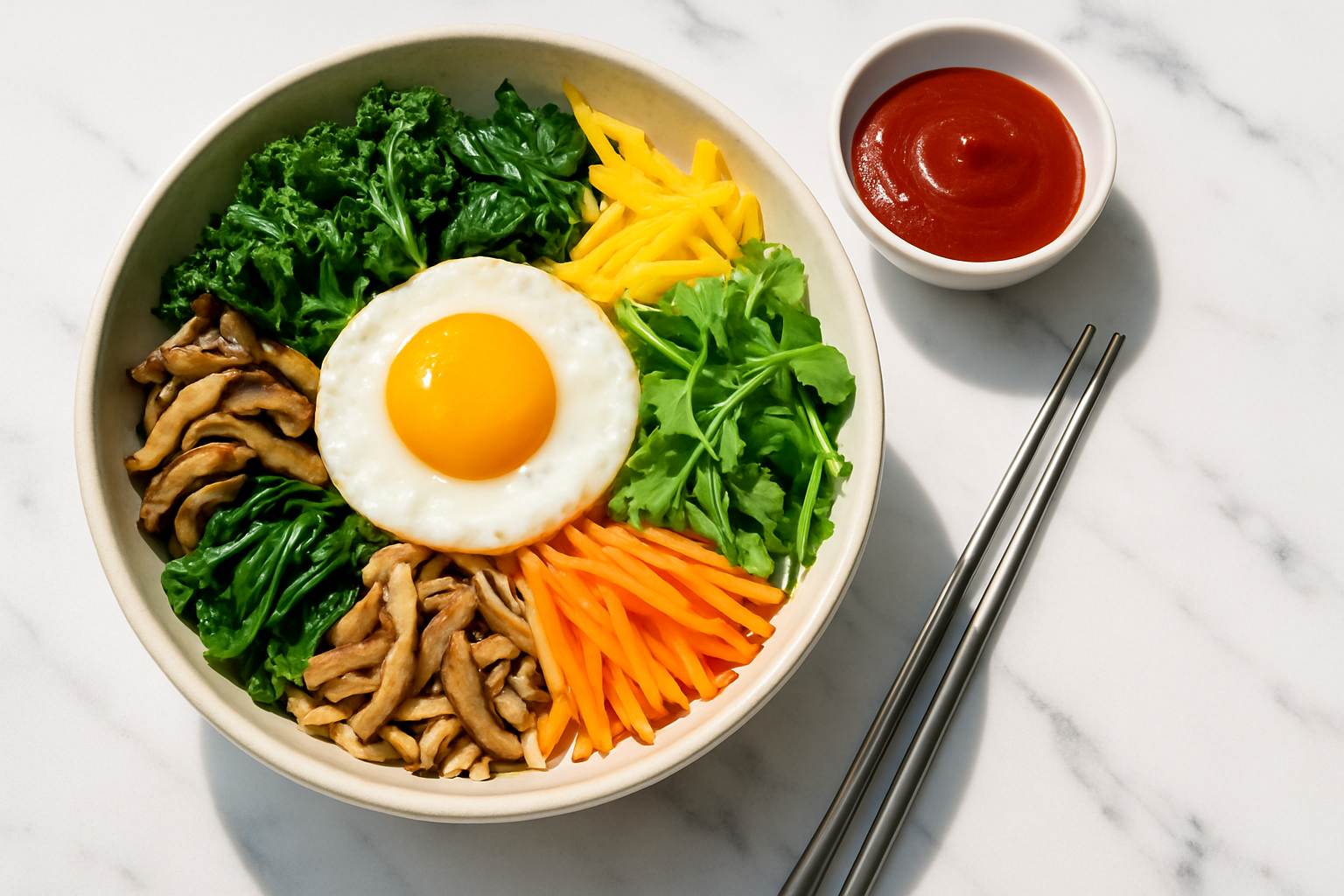
What's particularly smart about how Korean food has been introduced in India is the adaptation strategy. Many Korean restaurants and food brands operating in India have developed vegetarian and even vegan-friendly versions of classic dishes — a crucial adjustment given India's large vegetarian population. Vegetarian bibimbap (a Korean mixed rice bowl), tofu-based stews, and vegetable kimbap (Korean rice rolls, similar in appearance to sushi) have made the cuisine more accessible without losing its identity.
The ability to adapt without diluting the essence of the cuisine has been central to Korean food's staying power in a market as diverse and culinarily opinionated as India.
Why This Trend Has Legs
A lot of food trends are essentially novelty plays — they spike, people try the thing once, and then move on. Korean food in India appears to be building something more durable, and there are a few reasons for that.
First, the cultural infrastructure keeps growing. New K-dramas and K-pop releases are a near-constant stream of content that keeps Korean culture top of mind for Indian audiences. Every new popular series on Netflix or a viral song from a Korean artist functions, indirectly, as a marketing moment for Korean food.
Second, the flavors genuinely resonate. Korean cuisine tends to be bold, umami-rich, and often spicy — a profile that aligns well with Indian palates that are already accustomed to complex, layered flavors. This isn't a cuisine that requires significant taste recalibration for most Indian consumers.
Third, and perhaps most importantly, there's now a generation of young Indian consumers for whom Korean food is simply part of their cultural landscape. It's not exotic or foreign in the way it might have been a decade ago — it's just food they grew up watching people eat on screen and then started eating themselves.
What Comes Next
The Korean food industry and the South Korean government — through agencies like the Korea Agro-Fisheries and Food Trade Corporation, known as aT — have been actively promoting Korean food exports globally, and India is firmly on the radar. Trade data has reflected the growing appetite, with Korean food exports to India showing consistent year-on-year growth.
Local Indian entrepreneurs are also getting involved, launching Korean-inspired food businesses and cloud kitchens that blend Korean flavors with Indian ingredients and preferences. This kind of local hybridization is often the sign of a trend maturing from novelty into genuine cultural integration.
So the next time someone tells you the Korean food moment in India is over — well, you might want to check the delivery app order data first. Because from where things stand, this particular wave still has a lot of shoreline left to reach.
This article is based on reports from JoongAng Ilbo, Breaknews, Breaknews.