K-Food Is Heading South — Way South
When you think about where Korean food is making waves globally, Japan and the United States probably come to mind first. But here is something worth paying attention to: South Korea's state-run Korea Agro-Fisheries and Food Trade Corporation — known as aT — has just opened a new branch office in São Paulo, Brazil, and it is making a serious push to turn Latin America into the next big frontier for K-food exports.
So here is the thing about aT. It is a government-affiliated agency under South Korea's Ministry of Agriculture, Food and Rural Affairs, and its core mission is to promote and expand overseas exports of Korean agricultural and fishery products. Think of it as the official engine behind the global spread of everything from kimchi and instant noodles to Korean sauces and snacks. And right now, that engine has its eyes set firmly on South America.
Why São Paulo, and Why Now?
Brazil is not a random choice. São Paulo is the largest city in the Southern Hemisphere and home to one of the biggest ethnic Korean communities outside of Asia. It is also a gateway to the broader Latin American market — a region that aT describes as having enormous untapped potential for Korean food products.
The new São Paulo branch is being positioned as a dedicated export base, or what aT calls a "forward operating base," for K-food expansion across Central and South America. The strategy is to use Brazil as a launching pad — building relationships with local distributors, buyers, and retailers — and then radiate outward into neighbouring markets across the continent.
What's really interesting is that this move comes at a time when K-food's global momentum is genuinely hard to ignore. Korean food exports have been breaking records year after year, and aT has been at the centre of that growth story.
Record-Breaking Export Numbers Behind the Push
To understand just how much momentum is driving this Latin American expansion, you have to look at the broader export picture. South Korean agricultural and fishery food exports reached approximately 11.98 billion US dollars last year — that is a figure that represents two consecutive years of all-time highs, and a roughly 50 percent increase compared to a decade ago when exports stood at around 8 billion dollars.
This growth came despite a genuinely difficult global environment: ongoing supply chain disruptions, the Russia-Ukraine war affecting logistics and commodity prices, and persistent inflation across major markets. aT managed to push through those headwinds by securing dedicated cargo space on Korean shipping lines and partnering with Korean airlines to expand freight capacity — including dedicated flights for time-sensitive exports like fresh strawberries.
Building on that momentum, aT has set an ambitious export target of 13.5 billion US dollars for this year. To get there, the agency launched a dedicated "K-Food Export Expansion Task Force" earlier this year, with aT President Kim Chun-jin personally serving as its head.
The Man Leading the Charge
Kim Chun-jin, who took office as aT's 19th president in March 2021, has been the driving force behind the agency's aggressive international strategy. A former three-term member of the National Assembly with extensive experience in agriculture and food policy committees, Kim has taken a hands-on approach to overseas promotion — personally traveling to key markets including Japan, the United States, Brazil, and the UAE to meet with buyers and industry stakeholders.
Under his leadership, the task force actively monitors export trends, addresses non-tariff trade barriers, and provides end-to-end support for Korean food companies — from production management and processing all the way through to international marketing and buyer introductions.
Kimchi, the Day, and Diplomatic Groundwork
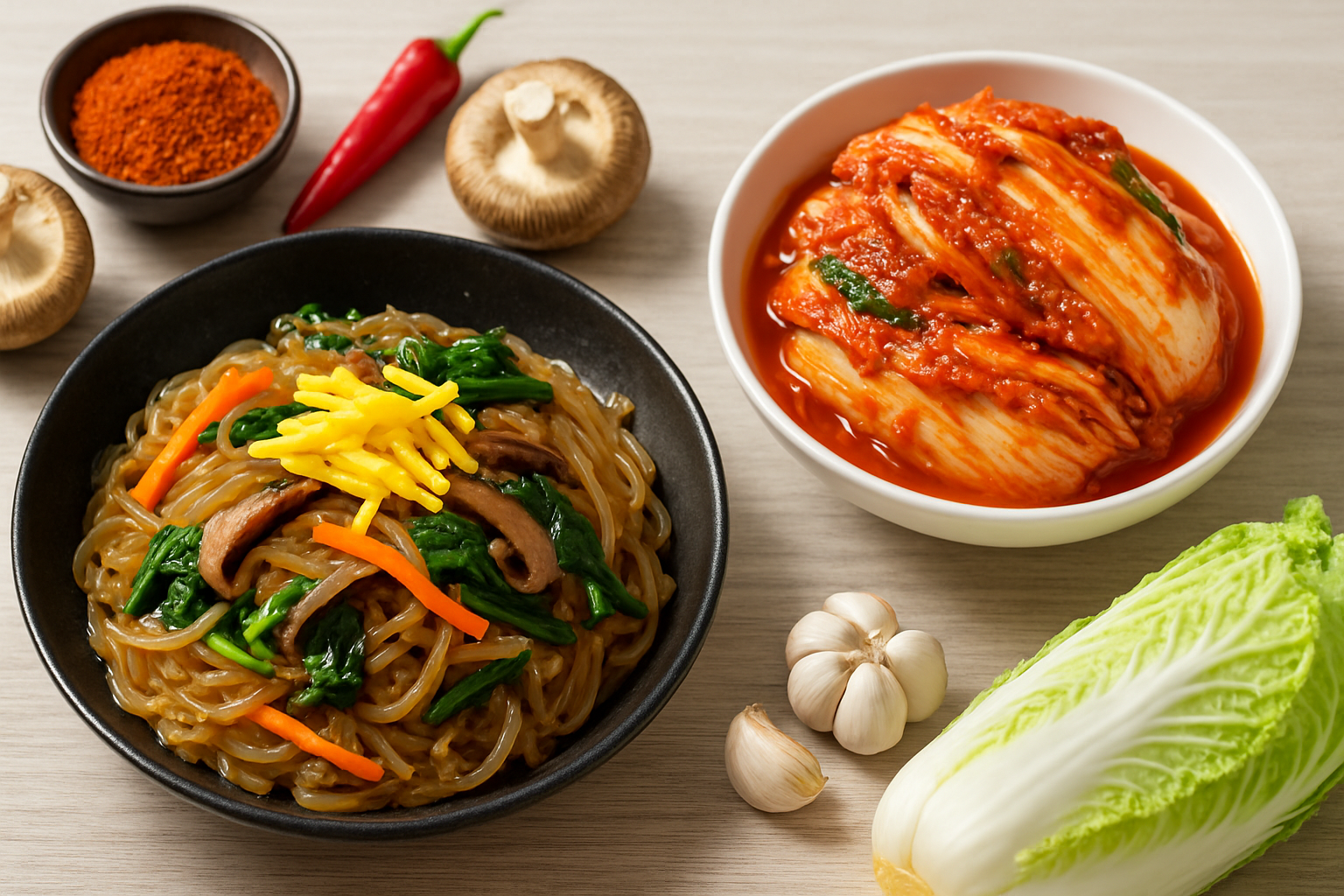
One of the more creative tools in aT's international playbook is the global campaign to establish "Kimchi Day" — an official commemorative day celebrated on November 22nd each year. The date was chosen because November represents the month when kimchi-making season peaks in Korea, and the number 22 refers to the more than 22 health benefits attributed to kimchi.
Kimchi Day was first established as a national commemorative day in South Korea in 2020. Since then, aT has been working to get it recognized abroad, and the results have been notable. Eleven states and cities across the United States have now officially proclaimed Kimchi Day, and in a significant milestone for the Latin American push, São Paulo became the first city in South America to officially establish the day — a move that directly ties into aT's strategic focus on Brazil as a beachhead for the region.
The campaign has continued to spread, with the Royal Borough of Kingston upon Thames in London becoming the first jurisdiction in Europe to officially recognize Kimchi Day, and Argentina's national government formally designating it as a national commemorative day as well.
Exploring New Partnerships Across Latin America
The Brazil office opening is not the only signal of aT's deepening engagement with the Americas. Around the same time, aT President Kim held a meeting in Seoul with Farmananand Soedjien, the Minister of Agriculture, Animal Husbandry and Fisheries of Suriname — a small South American nation known for being one of the most forested and ecologically pristine countries in the world. The two sides discussed ways to expand bilateral agricultural trade, with Kim highlighting the value of K-food staples like kimchi and promoting aT's green food campaign, which encourages low-carbon dietary practices.
Kim noted that Suriname, with over 90 percent of its territory covered by tropical rainforest and already achieving carbon-negative status, would be a natural partner in sustainable food initiatives.
A Long Game in a Fast-Growing Market
What aT is building in Latin America is not just a one-off trade push — it looks more like the early stages of a long-term market development strategy. São Paulo is the anchor, but the vision is clearly continental. With K-food's global brand continuing to grow on the back of Korean pop culture, streaming content, and social media, the cultural conditions for Korean food to find wider audiences in Brazil and beyond are arguably better now than they have ever been.
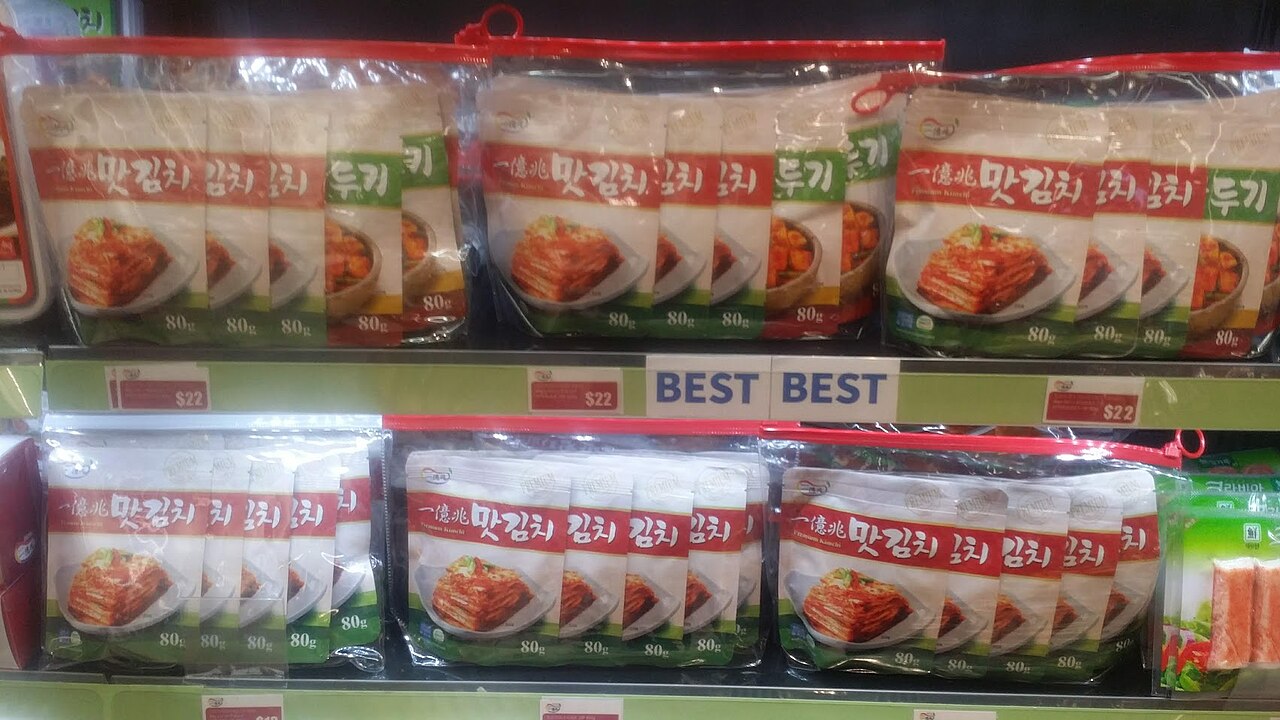
For Korean food companies looking to expand, the São Paulo office represents a practical support structure — a local point of contact with market knowledge, buyer networks, and promotional infrastructure already in place. For Latin American consumers, it likely means more Korean products on shelves and in online stores in the months and years ahead.
"We will use this base to expand K-food exports across the Latin American market," aT has indicated, framing the São Paulo office as a strategic hub for the entire region.
Whether Korean flavors can capture the hearts — and stomachs — of South American consumers the way they have in North America and Asia remains to be seen. But if aT's track record over the past few years is any indication, they are going to give it a very serious try.
This article is based on reports from Cstimes, S-journal, S-journal.