From Niche to Mainstream: K-Food Finds Its Footing in Sweden
So here's something worth paying attention to: Korean food is no longer just a curiosity for adventurous eaters in Sweden. It has actually made its way into the everyday shopping cart — and the framing around it is fascinating. According to data from Korea Agro-Fisheries and Food Trade Corporation (aT), which tracks Korean agricultural and food export trends through its KATI platform, K-food is now being positioned in Sweden not just as an exotic import, but as what locals are calling a "functional superfood." That is a pretty significant leap.
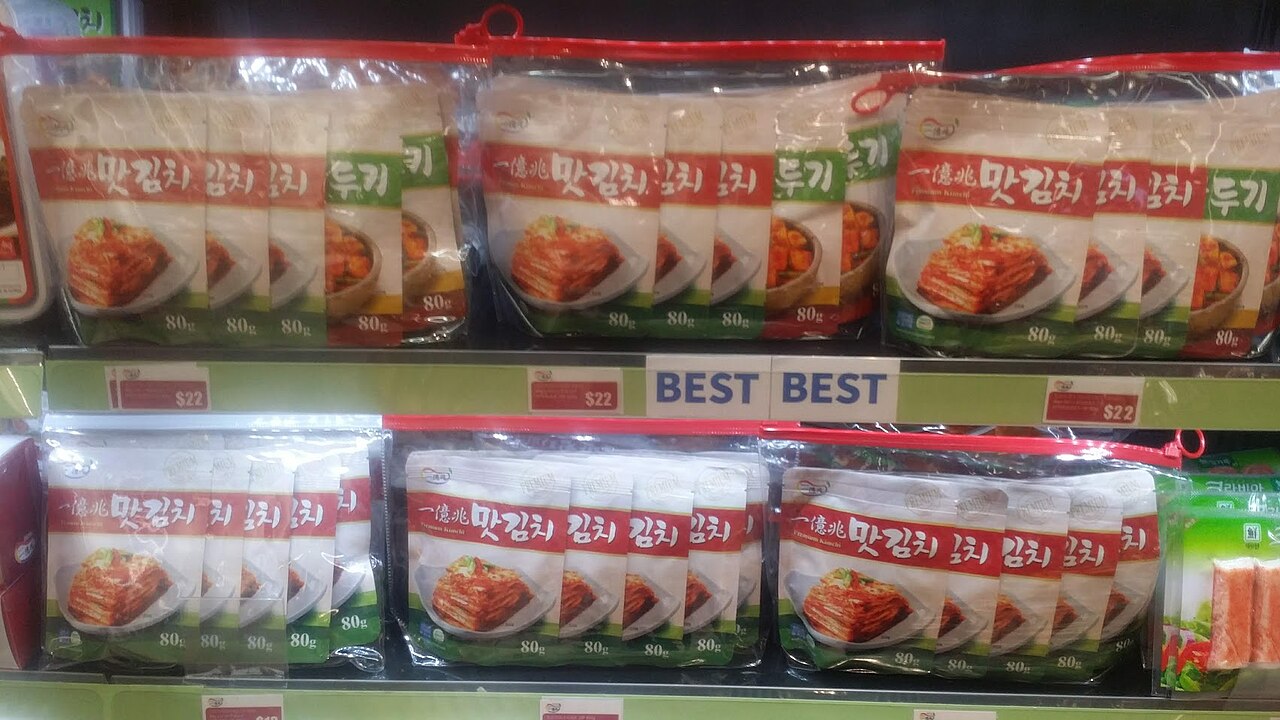
Swedish consumers are finding Korean food in places they'd find their regular weekly groceries — major supermarket chains like ICA, Coop, and Axfood, as well as through online shopping platforms. What's really interesting is how it got there. It wasn't just about taste. It was about timing, health culture, and smart product adaptation.
What's Actually Selling — and Why
Ramen, Kimchi, and Sauces Lead the Way
The top-selling Korean products in Sweden right now are instant ramen, kimchi, and Korean sauces — and each of them has a distinct story in this market.
Ramen, both in cup and bag form, has become a staple not just as a quick meal but as a cultural phenomenon. The spicy noodle challenge trend — which went viral globally over the past few years — has kept Korean ramen firmly in the spotlight, giving it a pop culture relevance that most food brands could only dream of.
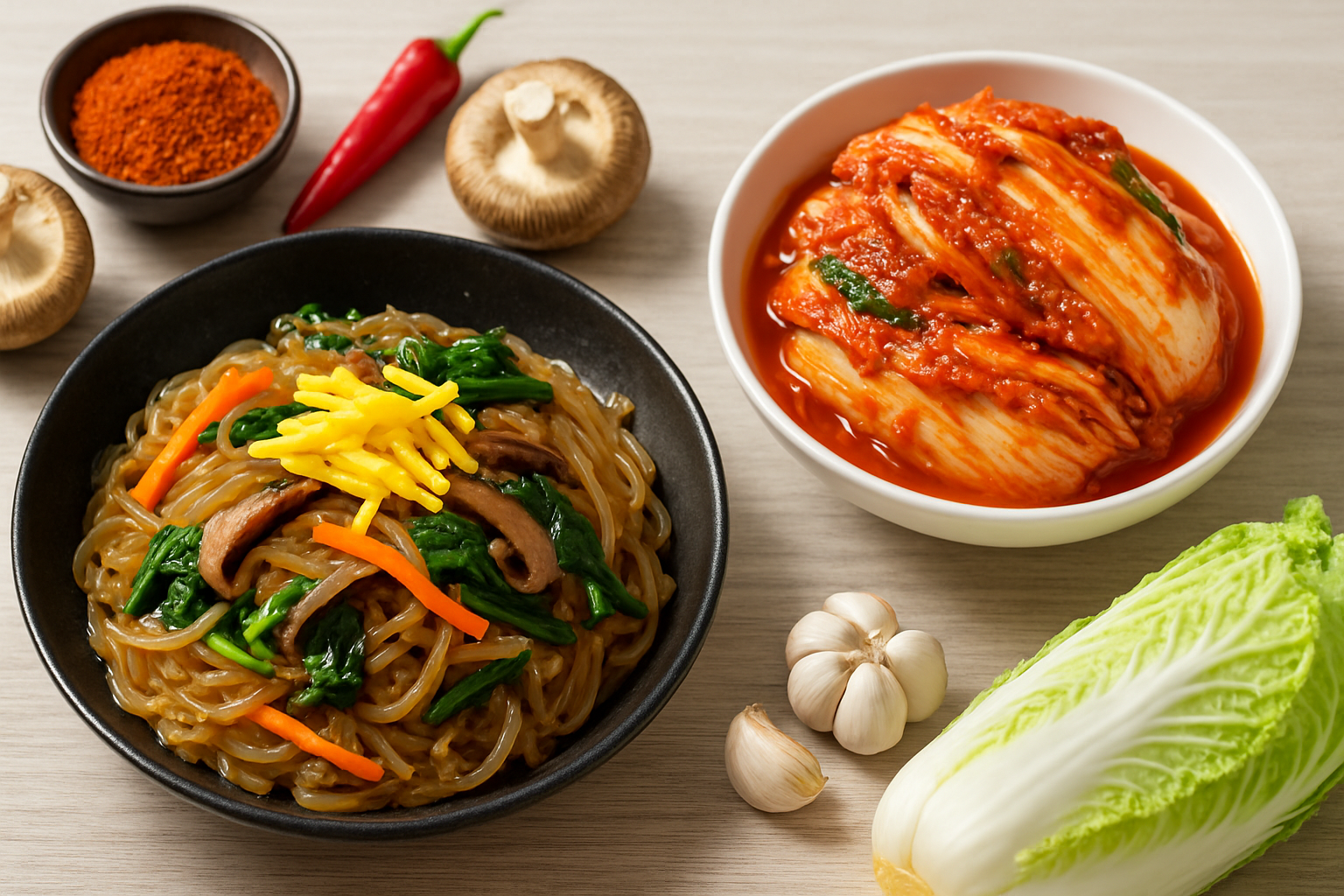
Kimchi, Korea's iconic fermented cabbage dish, is being consumed in ways that might surprise traditionalists. Swedish consumers are using it as a salad alternative, or even as a burger topping. That kind of fusion adoption is a strong signal that kimchi has moved beyond the "exotic food" shelf and into everyday cooking territory.
Beyond the Classics
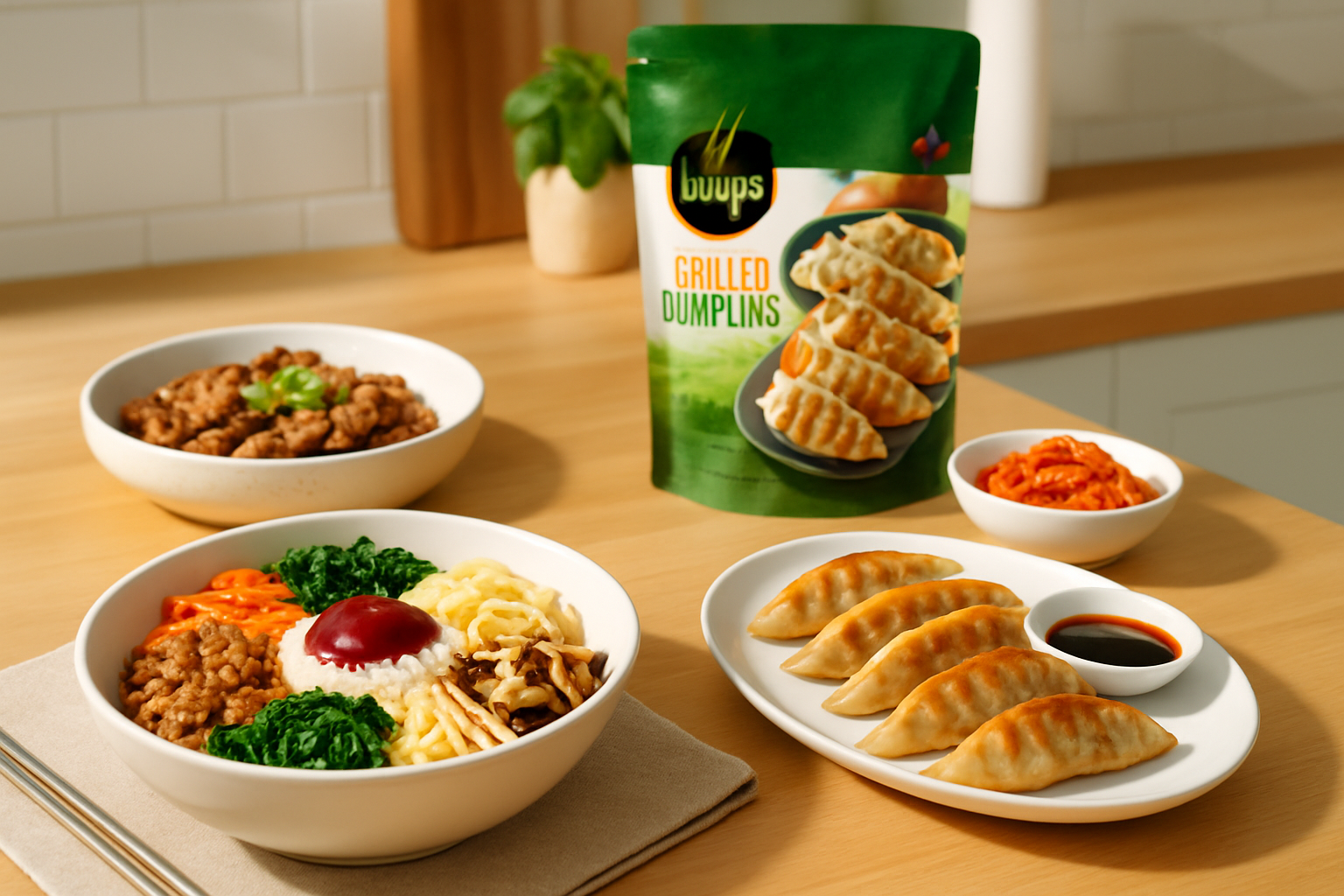
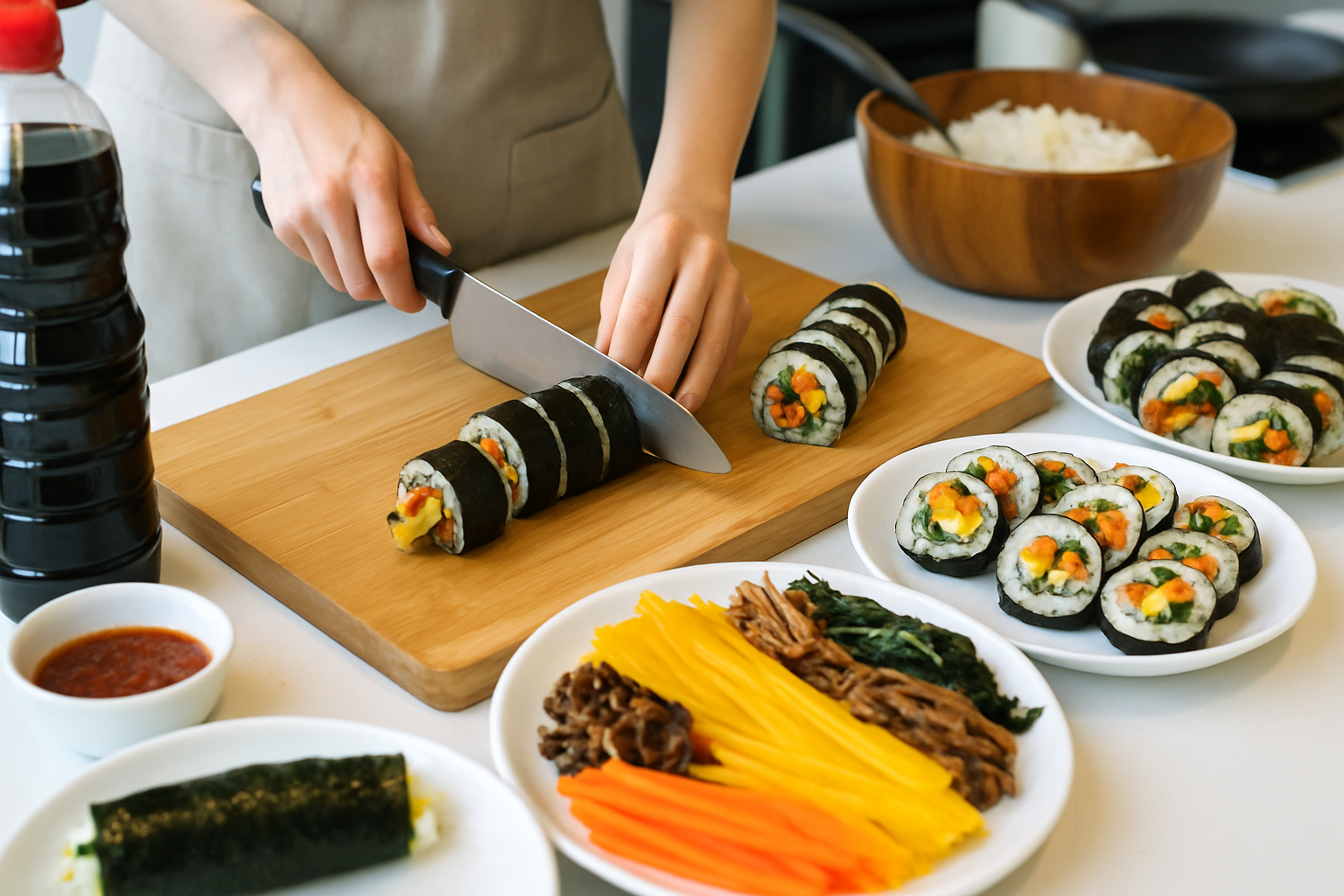
It doesn't stop at ramen and kimchi. Sales of mandu (Korean dumplings), tteokbokki (spicy rice cakes), samgak gimbap (triangle-shaped rice rolls), and frozen gimbap are all on the rise. Korean fermented condiments — soy sauce, gochujang (red chili paste), chogochujang (sweet and sour chili sauce), and ssamjang (a thick, savory dipping paste) — are also seeing steady growth.
And here's a particularly notable development: gochujang-based sauces are being talked about as the next big global hot sauce — a potential successor to sriracha. If that transition happens at scale, it would be a massive moment for Korean food exports globally.
ICA's "Koreansk Mat" Category: A Real Milestone
One of the clearest indicators of how seriously Sweden is taking K-food is what ICA — one of the country's largest supermarket chains — has done on its official website. ICA created a dedicated Korean food section, labeled "Koreansk mat" (Korean food in Swedish), and filled it with over 60 recipes.
What makes this especially clever is the approach ICA took in early 2026 when introducing gochujang to their audience. Rather than presenting it purely as an ingredient for traditional Korean dishes, the content showed Swedish consumers how to use it in familiar Western-style meals — like a salmon glaze. That kind of cultural bridge-building is exactly what turns a foreign product into a pantry staple.
The Health Angle: Aligned with Swedish Food Guidelines
So here's the thing — the "functional superfood" label isn't just marketing speak. There's a real alignment happening between Korean food's core strengths and what Swedish health authorities are promoting.
"Fermented foods like kimchi and jang (Korean fermented pastes and sauces) have emerged as functional superfoods because they align with the Swedish Food Agency's health-oriented guidelines. Vegan kimchi without salted seafood, clean-label products without artificial additives, and gluten-free ramen have all precisely targeted Swedish consumer needs."
That quote comes from the representative of a Korean food import company operating in Sweden, speaking through KOTRA (Korea Trade-Investment Promotion Agency). And it really captures the strategic intelligence behind K-food's success here. The Swedish market is known for being health-conscious and label-savvy. Swedish shoppers read ingredient lists. They care about clean labels, plant-based options, and functional health benefits.
Korean fermented foods, it turns out, tick a lot of those boxes naturally. Kimchi is probiotic-rich. Gochujang is made from fermented chili and soybeans. These aren't products that needed to be reformulated to appeal to health-conscious Swedes — they just needed to be introduced properly.
Smart Adaptations for a Discerning Market
What's particularly impressive about K-food's trajectory in Sweden is how thoughtfully products have been adapted for the local market. Three specific product innovations stand out:
- Vegan kimchi — Traditional kimchi often contains jeotgal, a type of salted fermented seafood that makes it non-vegan. Producers have developed versions without these ingredients, opening the product up to Sweden's substantial vegan and vegetarian consumer base.
- Clean-label products — Items formulated without artificial additives or preservatives, catering to Swedish consumers who are particularly attentive to what goes into their food.
- Gluten-free ramen — A smart move in a market where gluten sensitivity and celiac awareness are taken seriously.
These aren't superficial tweaks. They represent a genuine understanding of what Swedish consumers value — and a willingness to adapt without losing the core identity of Korean food.
Why This Matters Beyond Sweden
Sweden might seem like an unlikely place to watch for signals about global K-food trends, but its market tells us something important. Sweden is health-forward, environmentally conscious, and quick to adopt food innovations. If K-food can earn a dedicated supermarket category and a "superfood" reputation there, it says a lot about the universal appeal Korean cuisine can achieve when positioned correctly.
The playbook being written in Sweden — align with local health values, bridge flavors with familiar local cuisine, adapt products without diluting identity — is one that Korean food exporters could apply in markets around the world. And given that gochujang might be eyeing sriracha's crown, the global chapter of this story is only just beginning.
This article is based on reports from Realfoods, Realfoods, Realfoods.