Rolling Kimbap and Learning About Jang: Sempio Opens Its Doors to Georgia Students
So here is something that really speaks to how far Korean food culture has traveled beyond its borders. On May 22nd, Sempio — one of Korea's most iconic soy sauce and fermented condiment brands — welcomed a group of American university students into its Seoul headquarters for a hands-on Korean cooking experience. And what makes this even more interesting? It was the third year in a row they have done this with the same university.
The students in question came from the University of Georgia, which, for a bit of context, holds the distinction of being the first public university ever chartered in the United States, founded back in 1785. These days, the university's College of Family and Consumer Sciences runs a short-term study abroad program covering Korea and Japan, and their Korean itinerary now regularly includes a stop at Sempio. That tells you quite a bit about just how seriously K-food is being taken in academic settings abroad.
Twenty-Two Students, One Kitchen, and a Lot of Kimbap
Twenty-two students participated in the cooking session, guided by researchers from Sempio's Woori Mat Research Institute — which translates roughly to the "Our Flavor Research Institute," a team dedicated to studying and developing Korean taste profiles. The menu for the day? Geotjeori and kimbap.
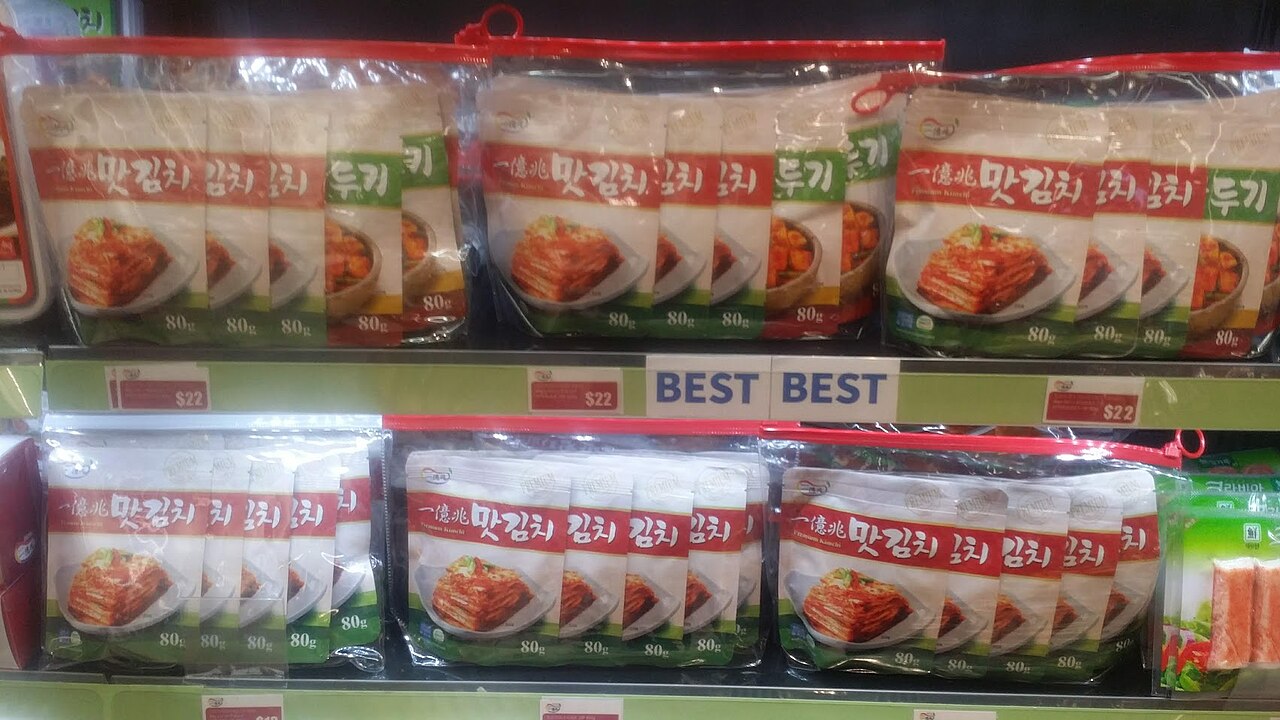
Geotjeori, for those unfamiliar, is a type of fresh kimchi — it is made and eaten right away rather than going through the fermentation process that aged kimchi does. The students made theirs using Sempio's Kimchi@Home kit, a product designed so that you do not need to hunt down a dozen separate ingredients to get the job done. According to Sempio, that convenience factor got a lot of attention from the group.
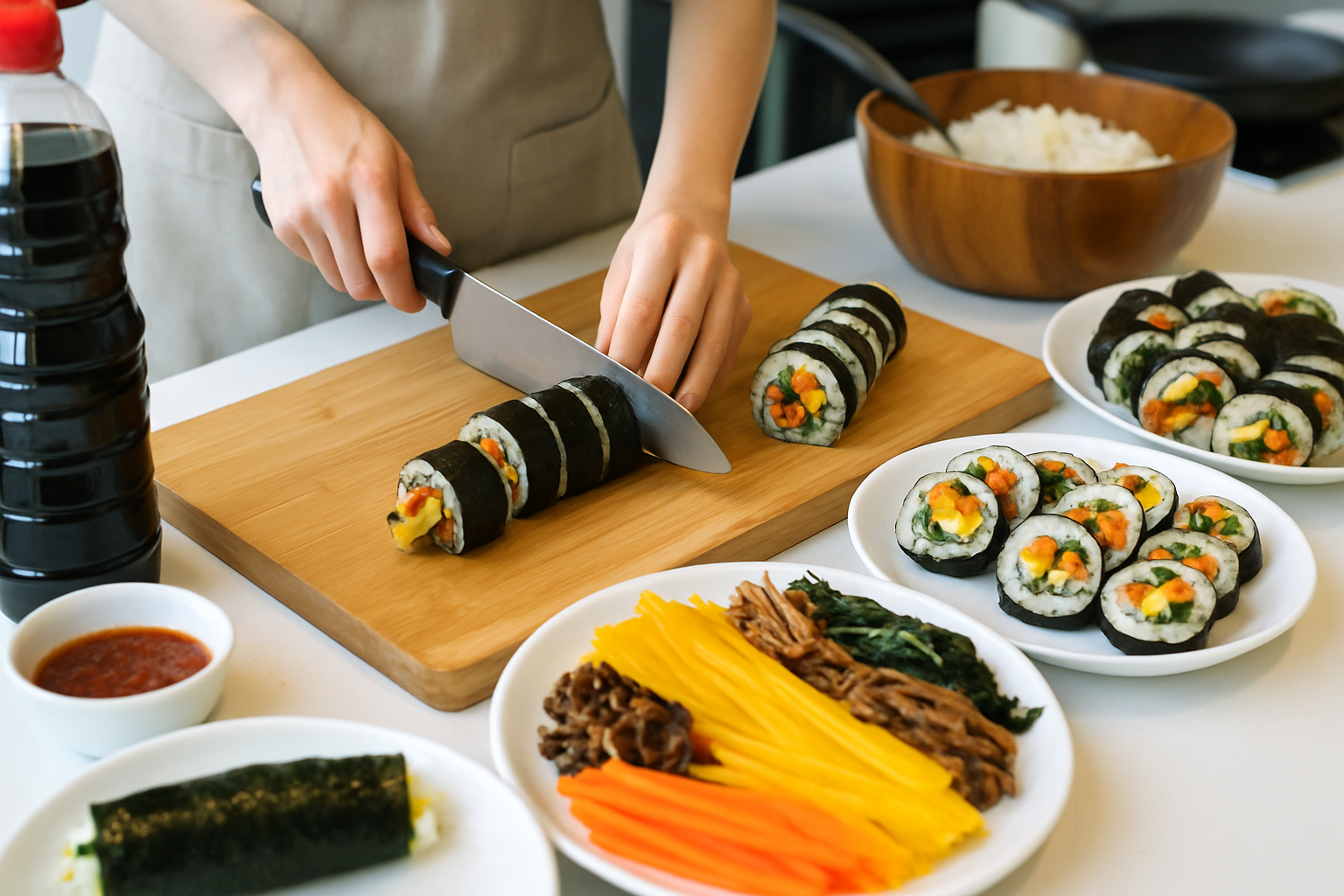
Then came the kimbap — Korea's beloved rice rolls wrapped in seaweed, often compared to sushi rolls but really quite different in flavor and style. What's really interesting here is that students did not just make the standard version. They rolled up rice seasoned with Yondu and gochujang, two of Sempio's signature products, and then went further by adding fillings like kimchi and stir-fried anchovies to personalize their own mini kimbap rolls.
The Umami Moment
One moment from the session stood out. After tasting the rice mixed with Yondu — a liquid seasoning made from fermented soybeans — and gochujang, several students were surprised to find that it was neither simply salty nor just spicy. Their reaction, as Sempio described it, was that it had a deep savory quality — what Koreans call gamchilmat, or umami. For many of the students, it was their first real encounter with that layered, fermented depth that defines so much of Korean cuisine.
Yondu, by the way, has been one of Sempio's most internationally focused products in recent years. It is a plant-based seasoning sauce that the company has positioned as a versatile umami booster for global kitchens — not just Korean cooking. Alongside Yondu, Sempio also introduced students to its organic gochujang and a soy sauce made from peas, all products developed with international consumers in mind.
Taking Korean Cooking Back Home
Sempio did not just send the students off with memories. Each participant received a take-home package that included Yondu, gluten-free gochujang, a Kimchi@Home kit, and canned kimchi — all things they can actually use in their dorm rooms or apartments back in the United States. That practical approach is clearly intentional. The idea is not just to give people a cultural experience and wave goodbye, but to make Korean cooking something they can realistically continue on their own.
One student summed it up perfectly: "I want to make kimbap even when I get back to America." That kind of takeaway — the confidence to recreate a dish at home — is exactly what Sempio seems to be going for.
"We really felt on the ground that the students' interest in and understanding of K-food has grown significantly compared to three years ago. We plan to expand various programs so that the food culture they experienced in Korea can continue in their daily lives."
— Sempio representative
Part of a Bigger Academic Journey
The Sempio visit was just one piece of a packed 18-day program organized by the University of Georgia's College of Family and Consumer Sciences. Students traveled through Seoul, Sokcho, and Gangneung in Korea, then continued on to major cities in Japan. Throughout the trip, they visited traditional markets, participated in temple food experiences, and toured major food companies — all with the goal of academically exploring Asian food culture and global food industry trends.
What's really telling is how the program has evolved. Three years ago, when Georgia students first visited Sempio, K-food was already popular on social media and in certain foodie circles. But according to Sempio staff who have run the program each year, the level of familiarity and genuine curiosity among the students has grown noticeably. These are not students who have just seen a mukbang video. Many of them arrive with real questions about fermentation, about the role of jang — Korea's broad family of fermented sauces and pastes — in Korean cooking, and about how those flavors translate to different culinary traditions.
Why This Matters Beyond the Cooking Class
Programs like this one sit at an interesting crossroads. For Sempio, it is clearly a long-term brand-building effort in a market — the United States — where Korean food products are increasingly showing up on mainstream supermarket shelves. For the University of Georgia, it reflects a genuine academic interest in food systems and global culinary culture. And for the students themselves, it is a rare chance to learn from the source, not from a recipe blog or a YouTube tutorial, but from the researchers and food scientists who actually develop these flavors professionally.
Korean food culture has a concept at its heart — the idea that taste is something deeply tied to fermentation, time, and a kind of inherited knowledge passed down through generations. Getting that across to a group of American students in a single afternoon in Seoul is no small task. But if even one of them goes home and rolls kimbap in their apartment kitchen, it seems like Sempio — and Korean food culture more broadly — will have made its point.
This article is based on reports from Ajunews, Dynews, Maeil Business.