K-Food as a Bridge Between Cultures
So here's a pretty cool story coming out of Suwon, a city just south of Seoul that most people outside Korea might know best for its UNESCO World Heritage fortress walls. On June 6th, 2026, the Suwon International Exchange Center hosted an event that managed to combine Korean food, history, and genuine human connection — all in one afternoon. They called it the "2026 Suwon City International Student Local Understanding Program: Suwon Black and White Chef, United Through K-Food."
The name is a direct nod to "Culinary Class Wars" — known in Korean as "흑백요리사" (Heukbaek Yorisa), literally "Black and White Chef" — the wildly popular Netflix cooking competition that took Korea by storm and introduced global audiences to the depth and creativity of Korean cuisine. Using that cultural touchstone as a hook was a smart move, and clearly it worked.
Who Showed Up and Why It Matters
The event drew around 99 to 100 participants in total — 85 foreign students currently enrolled at universities in the Suwon area, plus 14 members of the Suwon City Public Diplomacy Corps. That last group is worth explaining: the Public Diplomacy Corps is essentially a team of local volunteers and representatives who act as cultural ambassadors, helping foreign residents navigate and connect with the community. Think of them as your friendly neighborhood guides to everything Suwon.
What's really interesting here is the deliberate design of the program. This wasn't just a one-off festival booth where you taste some kimchi and move on. The Suwon International Exchange Center put together a full-day, experience-driven program specifically aimed at helping foreign students feel like they actually belong in Suwon — not just as temporary visitors, but as real members of the community.
The Day's Itinerary: History First, Then Get Cooking
Opening at Suwon Hwaseong Museum
The day kicked off with an opening ceremony at the Suwon Hwaseong Museum. Before anyone touched a mixing bowl, the center took time to brief students on genuinely useful information — local transportation, administrative services, multilingual life guides, how to use the Suwon Migrant Center, and emergency support systems available to foreign residents. It might sound dry on paper, but for a student navigating a new country, this kind of practical knowledge is gold.
Walking the Walls of a UNESCO Heritage Site
From there, participants headed out into the Haenggung-dong neighborhood — a historically rich area surrounding Hwaseong Haenggung, the royal palace that once served Joseon Dynasty kings. Guided by English-speaking cultural interpreters, the group toured two of Suwon Hwaseong Fortress's most iconic gates: Hwaseomun and Janganmun. Suwon Hwaseong, completed in 1796, is one of Korea's most celebrated architectural achievements and has been a UNESCO World Heritage Site since 1997. Walking through it with context and explanation is a very different experience from just passing by.
The Main Event: Four Kitchens, One Big Cultural Lesson
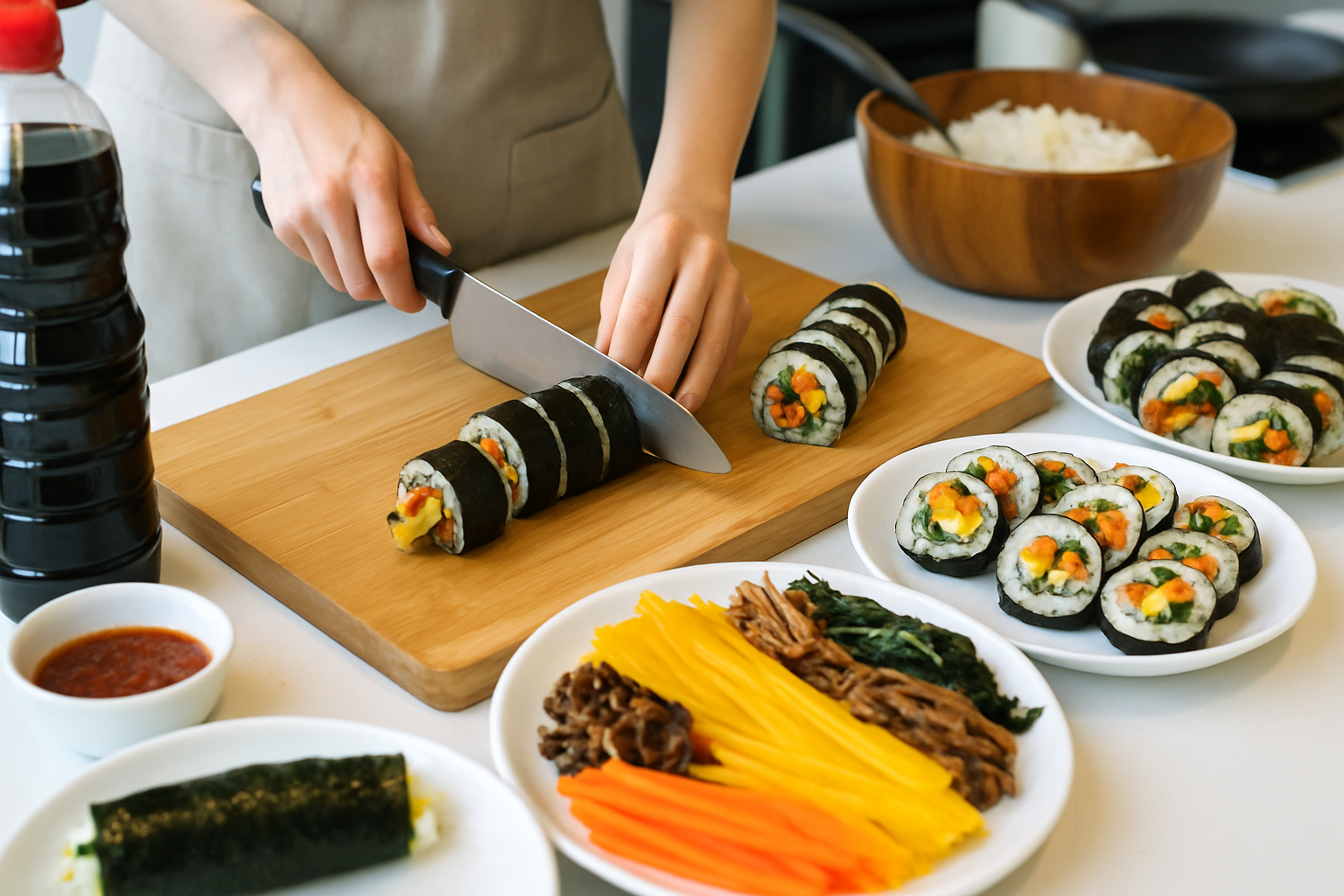
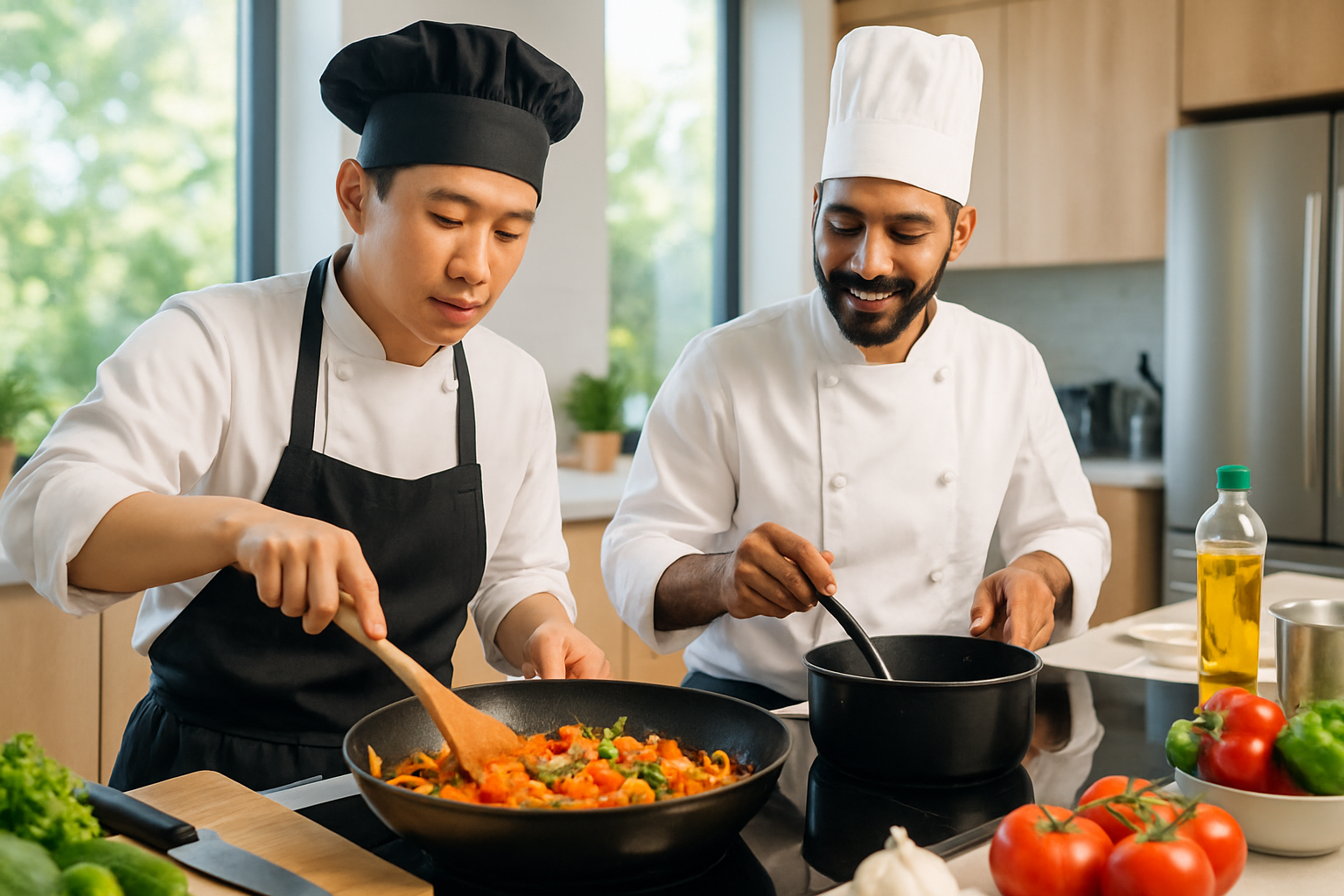
Then came the highlight everyone had been waiting for — the hands-on K-food cooking experience. Students were divided into groups, each tackling one of four themed cooking challenges:
- Becoming a Bongneyongsa Temple Food Chef — participants learned to prepare traditional Buddhist temple cuisine from Bongneyongsa, a well-known Buddhist temple in Suwon. Temple food in Korea is a refined, plant-based culinary tradition with centuries of history behind it.
- Becoming a Traditional Makgeolli Master — makgeolli is Korea's oldest alcoholic beverage, a milky, lightly fizzy rice wine that has seen a massive global revival in recent years. Students got a hands-on introduction to how it's made.
- Becoming a K-Snack (Dagwa) Expert — Korean traditional confections known as "dagwa" (다과) are delicate, beautifully crafted sweets often served with tea. This station gave students a taste of that artistry.
- Becoming a Holiday Jeon Cookie Master — "jeon" (전) are Korean savory pancakes traditionally made during holidays and family gatherings. This station gave them a festive, creative twist.
Students didn't just watch — they prepped ingredients and cooked themselves. And throughout it all, members of the Public Diplomacy Corps worked side by side with the students, sharing stories, answering questions, and doing exactly what cultural exchange is supposed to look like: actual conversation between real people.
More Than a Cooking Class
Gang Chung-gu, the head of the International Exchange Team at the center, summed it up well after the event.
"Through the process of directly making traditional food using K-food — which is attracting global attention — and exploring Suwon's beautiful historic sites, we were able to significantly raise foreign students' understanding of the local community. Going forward, we will continue to expand the foundation for personal exchange between the Suwon Public Diplomacy Corps and international students, and work to build a strong, sustainable private international exchange network centered on the local community."
That's not just event-planning language. There's a real strategy here. Korea has seen a significant increase in the number of international students in recent years, and cities like Suwon are increasingly thinking about how to help those students go beyond their campus bubble and actually integrate into the broader community. K-food, with its current global momentum — from Netflix shows to viral social media content — turns out to be a surprisingly effective entry point for that kind of cultural connection.
What's Next
The Suwon International Exchange Center has made clear that this kind of programming isn't a one-time thing. The center plans to continue expanding exchange programs designed to help foreign residents — students in particular — settle comfortably into Suwon as full members of the community. The long-term goal is building a grassroots international network centered on university students, connecting locals and foreigners through shared experience rather than formal diplomacy.
If a day of cooking temple food, brewing makgeolli, and walking the walls of an 18th-century fortress can help make that happen, Suwon might just be onto something.
This article is based on reports from Kgnews, eNews Today, Kgnews.