Beyond Semiconductors: A New Vision for Korean Exports
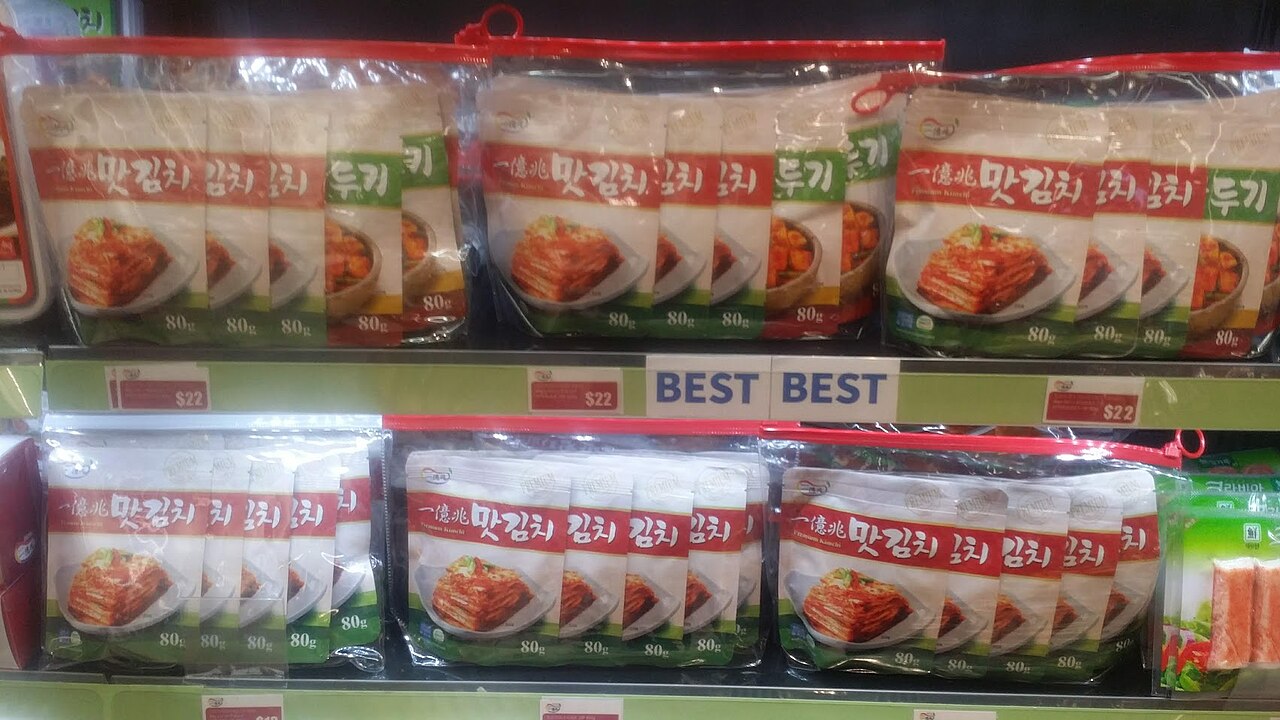
So here's something worth paying attention to if you follow Korean economics or the global spread of Korean culture: a major research institution is now saying, in pretty clear terms, that K-Beauty and K-Food are not just cultural trends — they could be the backbone of Korea's next great export boom.
On May 24, the Hyundai Research Institute (HRI), one of South Korea's leading private economic think tanks, released a report titled "Exports of One Trillion Dollars — It All Depends on K." The headline finding? Korea's current export structure is dangerously top-heavy, and if the country wants to cross the $1 trillion annual export threshold, it needs to build up its consumer goods industries — fast.
The Semiconductor Problem
Let's start with the good news. Korea's total exports in 2025 hit $709.3 billion, breaking the $700 billion mark for the first time in history. That's a genuine milestone. But here's the thing — dig into the numbers and a real structural concern starts to emerge.
Semiconductor exports grew by 22.2 percent compared to the previous year. Impressive, right? Except that non-semiconductor exports grew by just 1.1 percent over the same period. In other words, almost all the momentum came from one sector. The HRI report calls this out directly, warning that an export portfolio this concentrated in a single industry is a vulnerability, not a strength.
What's really interesting is the framework the researchers used to categorize Korea's top 20 export products. They assessed each one based on two factors: global market demand and Korea's own competitive strength in that market. The result was four distinct categories:
- "Best of Both Worlds" (금상첨화형): Products where both global demand and Korean competitiveness are rising. Semiconductors, shipbuilding, and pharmaceuticals fall into this group — the current stars of Korean exports.
- "Uphill Battle" (고군분투형): Products where global demand isn't surging, but Korean competitiveness is climbing sharply anyway. This is where cosmetics and agri-seafood products land — and it's arguably the most exciting category for Korea's future.
- "House of Cards" (사상누각형): Products where demand is growing but Korean competitiveness is actually weakening. Secondary batteries (think EV components) and fashion apparel are here — a warning sign.
- "From Bad to Worse" (설상가상형): Products facing both falling demand and declining competitiveness. Petroleum products and displays sit in this troubling corner.
Why K-Beauty and K-Food Are the Real Story
The "Uphill Battle" category is where K-Beauty and K-Food shine — and the numbers back it up. Between 2023 and 2024, the competitiveness contribution score for cosmetics jumped by 22.2 percentage points. For agricultural and seafood products, it rose by 14.0 percentage points. Those are not small moves.
The HRI attributes this surge directly to the cultural wave that Korea has been riding globally. The K-Beauty boom — fueled by viral skincare trends, YouTube tutorials, and the global obsession with Korean glass skin — has translated into real purchasing behavior. People aren't just watching videos about Korean beauty routines; they're buying the products.
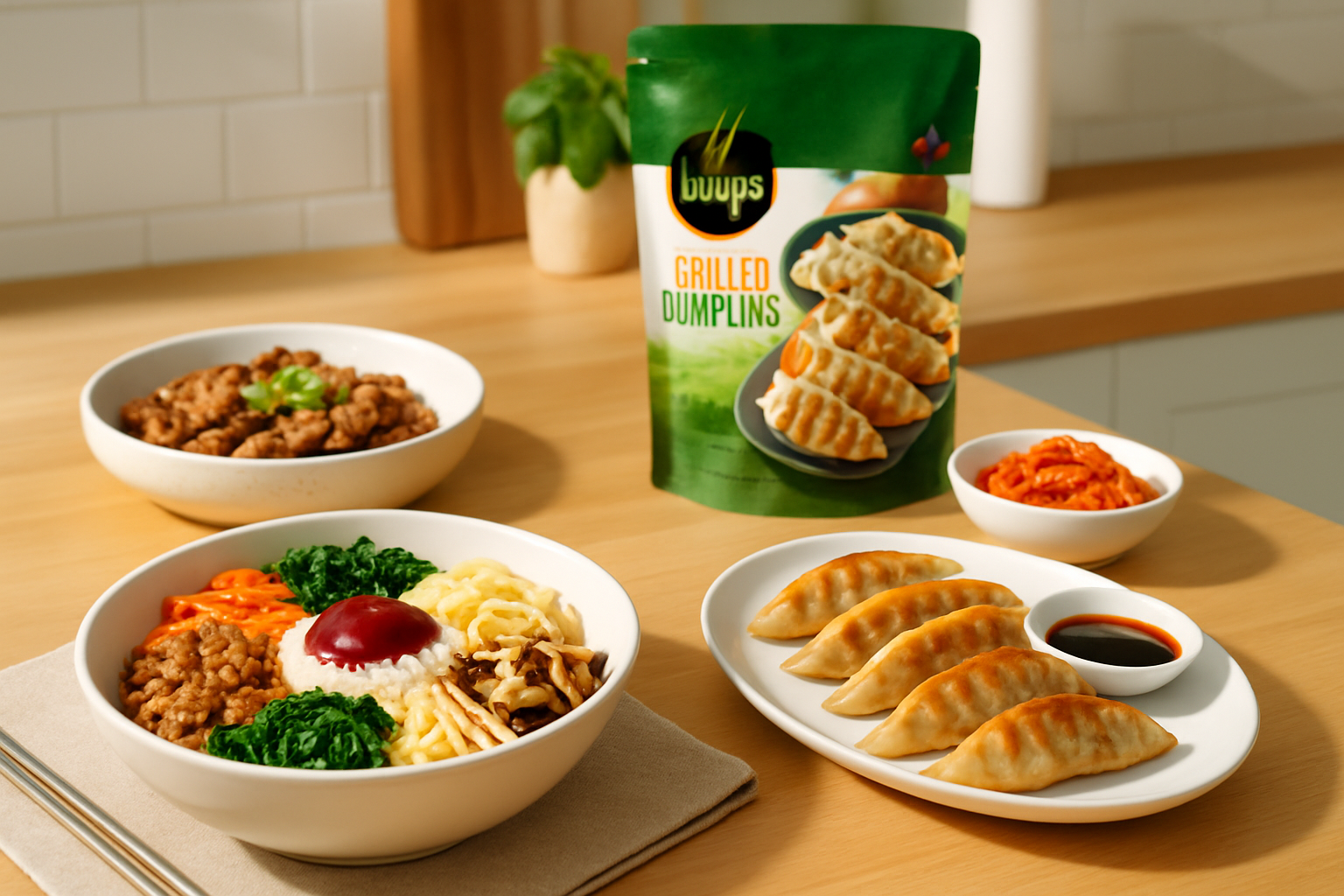
Similarly, the spread of K-Pop and K-Drama has sparked genuine curiosity about Korean food culture. When fans binge-watch a drama and see characters slurping ramyeon at 2 a.m. or sharing Korean BBQ, they want to try it themselves. That cultural curiosity is now showing up in export data.
"The K-Beauty boom has directly translated into overseas purchases, while the spread of K-Pop and K-Drama has raised awareness of Korean food culture, strengthening the export competitiveness of agricultural and seafood products." — Hyundai Research Institute
What Needs to Happen Next
The HRI isn't just diagnosing the problem — it's offering a prescription. The report argues that cosmetics and agri-seafood products should be officially cultivated as Korea's "second pillar" export industries, alongside the traditional heavy hitters like semiconductors and automobiles.
To get there, the researchers recommend a few concrete steps:
- Tailored financial support for smaller exporters in the K-Beauty and K-Food space, who often lack the resources of the conglomerates that dominate semiconductor and shipbuilding.
- Active consulting to help companies navigate local regulations in overseas markets — a real pain point when you're trying to sell food or cosmetics in places like the EU or the United States, where safety and labeling requirements can be complex.
- A deliberate shift toward premium brand strategies and technological upgrades, so that Korean consumer goods compete on quality and identity rather than just price.
The key phrase in the report is "sustainable qualitative growth." The researchers are essentially saying: getting to $1 trillion in exports can't just be about shipping more stuff — it has to be about shipping smarter, higher-value stuff with strong brand identity behind it.
A Broader Picture: Tourism Data Tells the Same Story
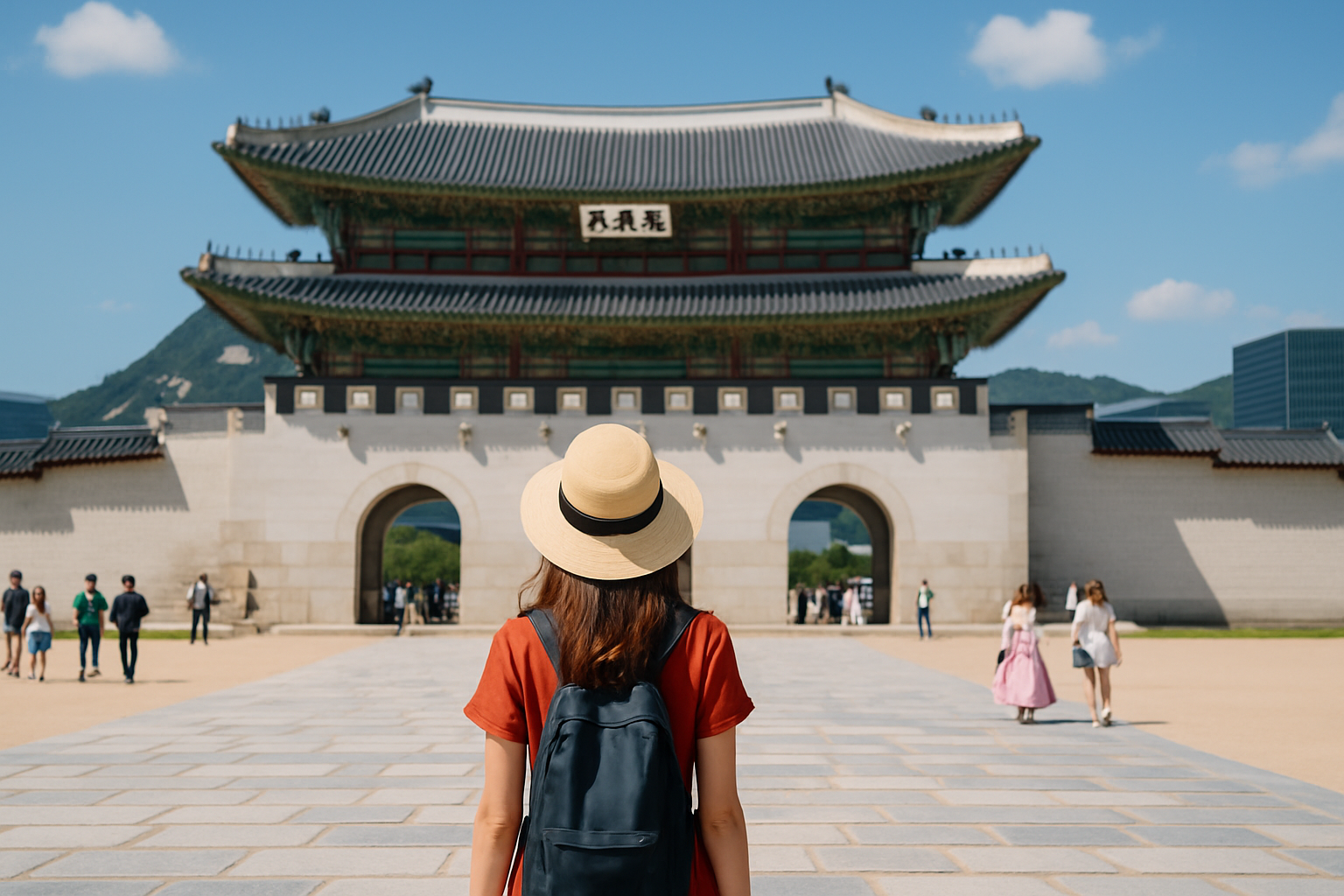
And interestingly, this finding connects to something else making headlines in Korea this week. A separate report from Yanolja Research — the research arm of Yanolja, one of Korea's biggest travel and accommodation platforms — analyzed over 28,000 social media and travel review posts from Chinese tourists to assess satisfaction with Asian cities. The results were revealing.
Busan, Korea's second-largest city and a coastal port metropolis on the southeastern tip of the peninsula, ranked first among eight Asian cities surveyed, scoring 4.723 out of 5. Singapore (4.710), Tokyo (4.706), and Osaka (4.701) followed. Seoul, despite being one of the most visited cities in Asia, came in fifth at 4.676 — behind its own domestic rival.
Why did Busan beat Seoul? The researchers point to experiential tourism. Busan offers a natural combination of beach destinations like Haeundae and Gwangalli, the scenic Blue Line Park coastal train, vibrant night views, and beloved local foods like pork soup rice (dwaeji gukbap) and cold wheat noodles (milmyeon). These elements create what the report calls an "organically connected" travel experience — you move between scenery, food, and activity in a way that feels immersive rather than transactional.
Seoul, by contrast, scored highest in shopping-related mentions — but relatively low in satisfaction. The pattern is dominated by duty-free stores, discount events, and cashback promotions. What's missing, researchers say, is genuine experiential depth. And here's the connection to the export story: Yanolja Research warns that if Seoul's tourism appeal is primarily about buying products at a discount, it becomes vulnerable the moment Chinese consumers can get those same products cheaper through cross-border e-commerce platforms.
"If Seoul tourism remains centered on product purchases, its competitiveness could weaken as overseas direct purchasing and online platforms continue to expand." — Yanolja Research
The report does offer some hope for Seoul, noting that neighborhoods like Ikseon-dong and Bukchon Hanok Village — both traditional Korean architecture districts — received strong praise, suggesting that leaning into authentic cultural experiences could be a path forward.
The Bigger Thread
What ties all of this together is a simple but important idea: Korea's cultural exports and its economic exports are no longer separate conversations. K-Pop, K-Drama, Korean food, and Korean beauty have created a global appetite for things that are distinctly Korean. The question now is whether Korea can build the economic infrastructure — the brand strategy, the regulatory support, the product premiumization — to fully capitalize on that appetite.
The Hyundai Research Institute thinks the answer is yes, but it will require deliberate policy choices and a willingness to treat K-Beauty and K-Food with the same seriousness that Korea has historically reserved for its semiconductor and automotive giants. Whether that shift happens fast enough to reach the $1 trillion export goal remains to be seen — but the cultural foundation, at least, is already there.
This article is based on reports from Sentv, Yonhap News, View.