Wellness in Seoul Has a New Look — and It's Not What You'd Expect
When most people think of wellness in Korea, they picture jimjilbangs — those beloved public bathhouses where you soak, sweat, and snack on hard-boiled eggs at midnight. But Seoul's wellness scene in 2025 looks very different. It's smarter, more personal, and surprisingly accessible. A new generation of spaces is popping up across the city, blending physical recovery, mental health, nutrition, and even running culture into something that feels genuinely fresh.
Harper's Bazaar Korea recently spotlighted four of the most exciting wellness destinations in Seoul right now. So let's walk through them — because whether you're a local or planning a trip, these are worth knowing about.
Wellness House Seoul: The One-Stop Body Reset
So here's the thing about Wellness House Seoul — it opened less than three months ago, and already a significant portion of its clientele is international visitors. That alone tells you something. Located in the Seocho district in southern Seoul, this multi-floor space stretches from the ground floor all the way down to the second basement level, and it's essentially an entire wellness ecosystem packed into one building.
Think of it like a curated department store, but instead of fashion, it's stocking everything your body and mind might need. On the ground floor, an AI-powered skin diagnostic service analyzes your complexion and facial balance, then recommends a personalized skincare routine. From there, you flow naturally into the building's other offerings: a medical clinic, a body care center, and an inner beauty cafe called Swellnish, where you can sip on a pumpkin matcha latte that's apparently designed to reduce post-treatment puffiness. That kind of thoughtful continuity is rare.
What's really interesting is the price point. Wellness in Seoul has historically skewed either very cheap or very luxury. Wellness House Seoul is carving out a middle lane — what the Korean industry calls "masstige" — offering programs like high-pressure oxygen therapy, cryotherapy (yes, the same treatment reportedly favored by global icons like BLACKPINK's Jennie and footballer Son Heung-min), and air pressure leg recovery sessions, all in the range of roughly 50,000 to 100,000 Korean won. That's approximately $37 to $75 USD. Sessions are also kept short, which makes it genuinely workable for busy professionals.
The space doesn't just offer individual services — it proposes a systematic wellness routine, connecting diagnosis to treatment to recovery in one visit.
Turtle Dove: Mental Wellness in a Quiet Corner of Seochon
Now, if Wellness House Seoul is about optimizing the body, Turtle Dove is about quieting the mind. And honestly, the contrast couldn't be more fitting for a city like Seoul, where the pace of life can feel relentless.
Tucked into a narrow alley in Seochon — a historic neighborhood near Gyeongbokgung Palace in central Seoul, known for its preserved hanok architecture and artisan cafes — Turtle Dove occupies two floors of a small traditional Korean house. The space was founded by Ji Bong-geun, who began exploring tea and meditation as a way to cope with the stress of a demanding career, and wanted to share that discovery with others who might find traditional meditation centers intimidating.
The programming reflects that philosophy of gentle entry. There's morning yoga you can attend before work, a "Yoga and Tea" session that pairs movement with a tea ritual, and leaf tea meditation classes for a small group of just five participants at a time. Beyond the regular schedule, Turtle Dove also hosts free open events like breathwork meditation gatherings and a "Run-Drink-Yoga" session that combines a slow jog with mindful winding down.
"Everything we do at Turtle Dove is a tool for being present," Ji Bong-geun explains. "When you place your attention on the here and now, emotions like regret and anxiety naturally begin to fade."
In a wellness landscape that often chases the next high-tech gadget or clinical treatment, Turtle Dove's simplicity feels quietly radical.
Runport: Where Running Culture Becomes a Lifestyle
Running is having a serious cultural moment in Seoul. What started as a fitness trend has evolved into a full social movement, with running crews, themed races, and now — a dedicated lifestyle platform. Runport, set to open in June 2025 in the Mapo district, is being built specifically for this growing community of runners who want more than just a place to store their gear.
The concept was developed by Buffet Seoul's Runport task force, led by Kim Eun-taek, who identified a clear gap in the market. "There are limited spaces in Korea where mature runners can comfortably enjoy the full experience," he said. "Runport starts from that gap — it's not just about convenience, it's a stage for runners building a better daily life."
The flagship program is called the Ice Morning Club: participants run five kilometers, then alternate between an extreme-heat sauna and an ice bath — a recovery method known as contrast therapy that's gaining global traction — before finishing with coffee. There's also a running mileage system where kilometers logged translate into loyalty points redeemable for purchases, which is a clever way to keep people motivated.
And for the "fun run" crowd who are in it more for the social scene than the personal records, there's a bar where you can grab a beer after your run. A sauna, a track, a bar, and a loyalty program — Runport is essentially betting that running in Seoul is ready to become as much of a lifestyle pillar as it is in cities like Tokyo or Berlin.
The Forest Academy House: Books, Nature, and Slow Living
The last space on our list takes a completely different approach — one that's less about performance and more about permission. Permission to slow down, to read, to simply be somewhere beautiful without an agenda.
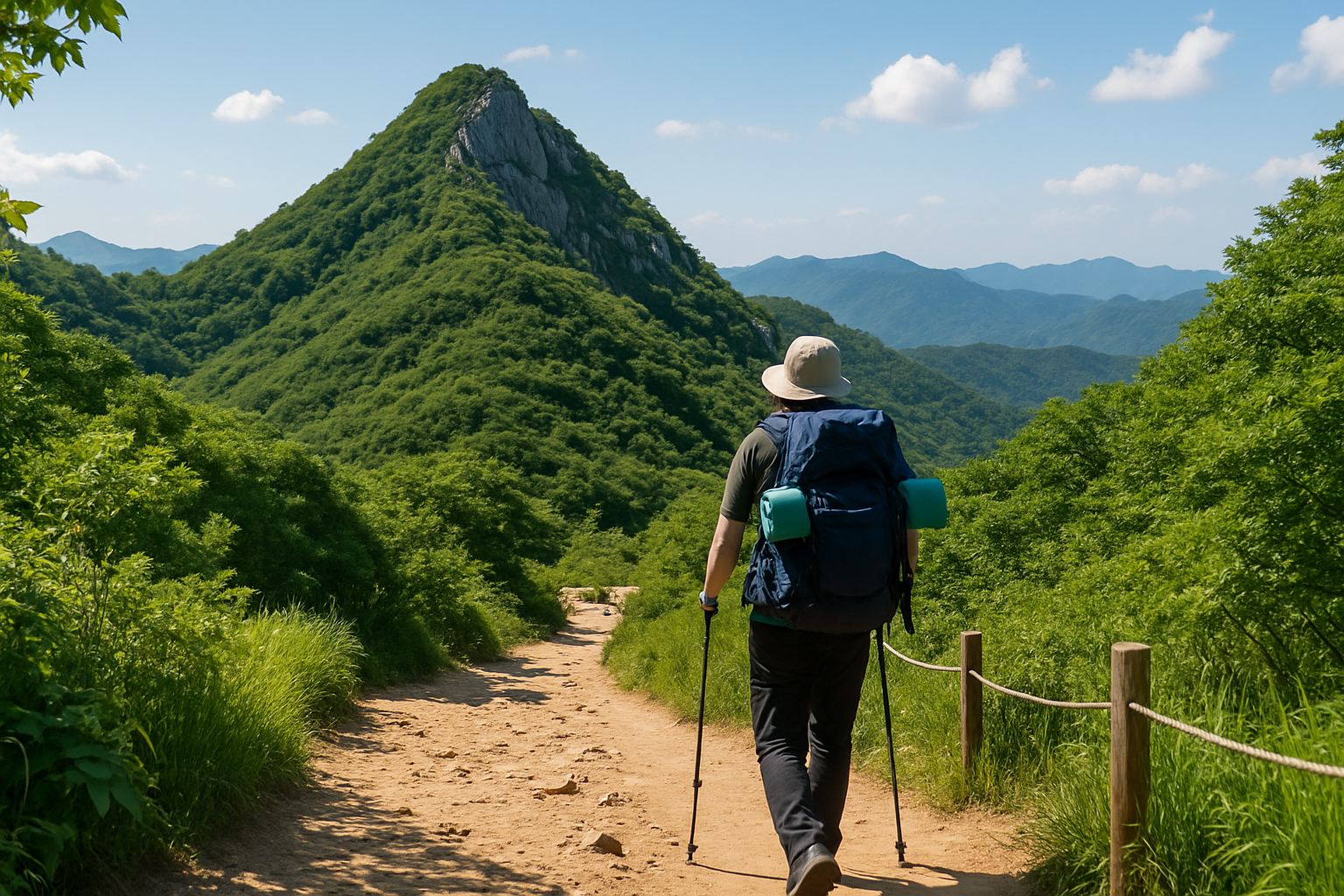
The Forest Academy House (Deosup Academy House) sits at the foot of Bukhansan — a mountain that forms the northern boundary of Seoul and is beloved by hikers and nature lovers. It's close enough to the city to reach easily, but far enough away that just arriving there seems to change your breathing.
The concept is something that's more common in Europe or Japan than in Korea: a "book stay," where accommodation is designed around the experience of reading. Guest rooms are curated with books, and dedicated spaces like the "Sai-maru" reading lounge and the "Sai-seoga" mini-library give guests even deeper ways to engage with literature. The on-site dining space, The Forest Dining, serves casual Western fare — platters, pasta, steak — in a relaxed atmosphere.
Beyond staying the night, the campus includes a bakery and book cafe, a gallery called "House of Dawn" that rotates exhibitions from various artists, and plans to add forest walking and meditation programs in the future. It's wellness for people who find peace not in biohacking but in slowness — what some are starting to call "slowness culture," or in Korean, "슬로니스 (slowness)."
What These Four Spaces Have in Common
Looking at all four, a clear pattern emerges. Seoul's most exciting wellness spaces in 2025 aren't trying to do one thing perfectly — they're building ecosystems. They connect physical treatment to mental recovery, social experience to individual ritual, movement to stillness. And they're doing it in ways that feel accessible rather than exclusive, which has historically been the barrier for wellness culture in Korea.
Whether you're drawn to the high-tech body optimization of Wellness House Seoul, the meditative quiet of Turtle Dove, the adrenaline-and-recovery loop of Runport, or the slow and literary world of The Forest Academy House, Seoul is clearly building a wellness scene that's ready to speak to the world — not just to locals.
This article is based on reports from Harpersbazaar, Ajunews, Efnews.