A New Kind of Donut Is Making Koreans Wait in Line
So here's the thing about the Korean dessert scene — it moves fast. One month it's Dubai chocolate cookies, the next it's butter rice cakes or ube everything. But there's one newcomer that seems to be sticking around, and it comes with a surprisingly long production process for something you eat in about three bites. Meet I'm Donut, the Japanese "nama donut" brand that's quietly been building a loyal following in Seoul — and is now setting its sights on much more.
Kang Chang-min, CEO of Eight Ground, the company behind I'm Donut Korea, sat down with reporters ahead of the brand's second Korean location opening in Hongdae on May 23. And what he described isn't just a new dessert shop — it's an attempt to carve out an entirely new product category in Korea's competitive food market.
What Even Is a "Nama Donut"?
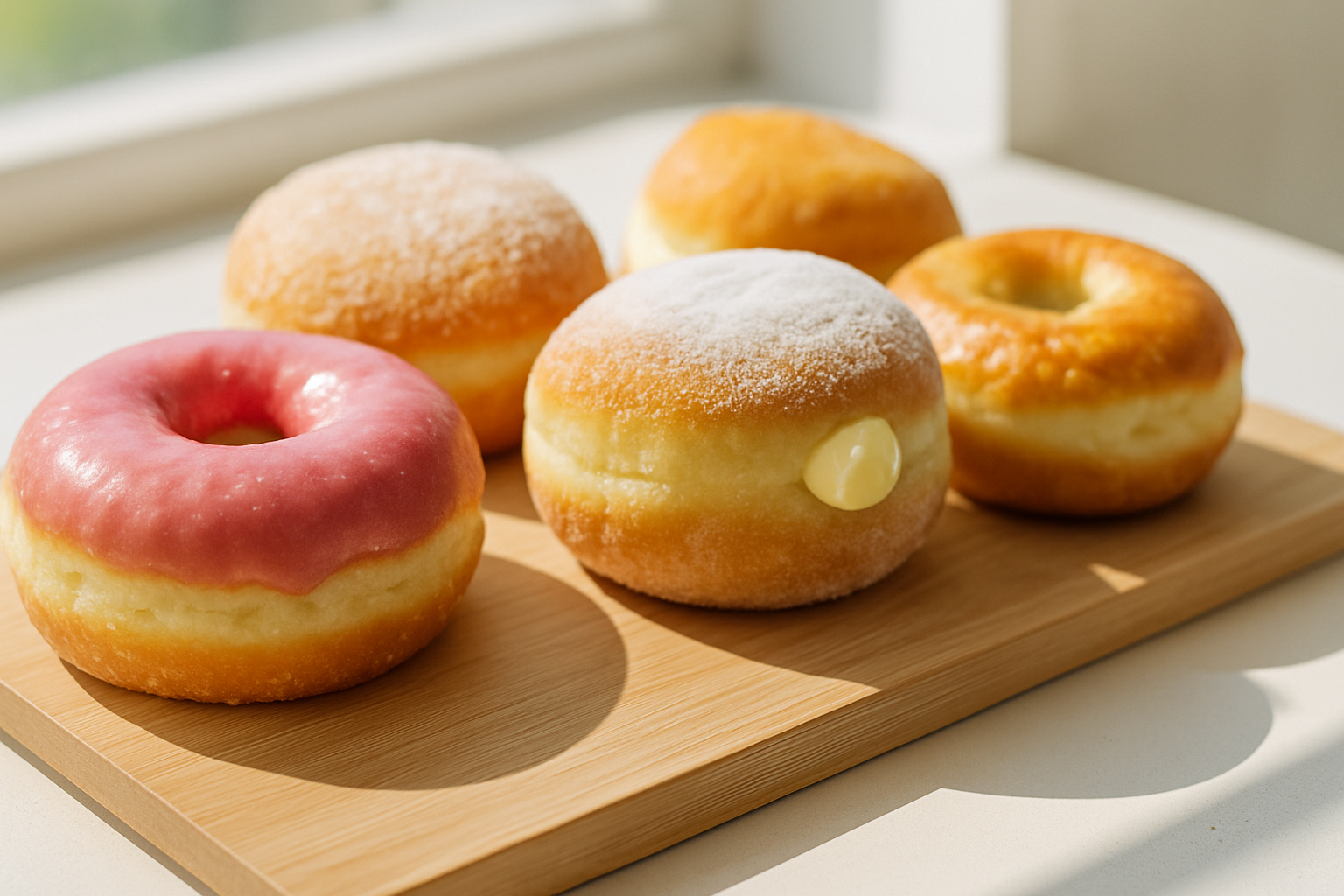
If you haven't heard the term before, you're not alone. "Nama" (生) is a Japanese word used in the dessert industry to describe a uniquely moist, tender texture — think of how "nama chocolate" refers to those ultra-soft, ganache-style truffles. Applied to donuts, it's a whole different experience from what you'd get at a standard chain.
The recipe behind I'm Donut was developed by chef Hirako Ryota of Amam Dacotan, a celebrated bakery based in Fukuoka, Japan. Kang secured an exclusive licensing deal for the recipe and began introducing it to Korean consumers last year. The process is genuinely labor-intensive: the dough is fermented at low temperatures, then aged for over 15 hours before being fried. Start to finish, each donut takes a full 24 hours to make.
"We ferment and cold-age the dough for over 15 hours before frying. That entire process takes 24 hours, which is why the texture is so much softer and more moist than a regular donut," Kang explained.
What's really interesting is that this style of donut actually sparked a full-blown "donut boom" in Japan back in 2022 — and now that same wave is hitting Korea, arguably with even more momentum.
From Seongsu to Hongdae: Building a Brand With a Sense of Place
I'm Donut's first Korean location opened in Seongsu, one of Seoul's trendiest neighborhoods, known for its industrial-chic vibe, artisan cafes, and the kind of foot traffic that makes or breaks a new food concept. The gamble paid off. According to Kang, the Seongsu store has been drawing 600 to 700 visitors a day since it opened in September of last year, with wait times that have become almost a selling point in themselves.
The brand has also been thoughtful about how each store looks and feels. The Seongsu location leans into the neighborhood's signature aesthetic — exposed red brick walls that echo the area's warehouse-turned-cafe culture. The new Hongdae store, which opened on May 23, takes a completely different approach: colorful tile displays inspired by "donut jam," aimed squarely at the younger Gen Z and early millennial crowd that defines the Hongdae scene.
It's a smart strategy. Rather than rolling out cookie-cutter locations, I'm Donut is trying to feel like it belongs wherever it opens — and that kind of local sensitivity tends to resonate with Korean consumers, who are increasingly savvy about authenticity.
What's Next: Department Stores, Tourists, and Beyond Seoul
The expansion plans don't stop at two locations. Kang confirmed that I'm Donut will be entering Shinsegae Department Store's flagship Gangnam branch next month — a major credibility boost, since landing in Shinsegae Gangnam is essentially the Korean retail equivalent of getting a Michelin star. Department store placement signals that a brand has moved past the "trendy pop-up" phase and into something more durable.
Beyond that, Kang mentioned potential locations in Insadong (Anguk), a neighborhood beloved by both foreign tourists and locals for its traditional Korean atmosphere, as well as expansion to Busan, Korea's second-largest city. Both moves suggest the brand is actively targeting international visitors alongside domestic fans — a smart play as inbound tourism to Korea continues to recover and grow.
Can It Survive Korea's Ruthless Dessert Market?
Here's the challenge, though. Korea's dessert market is one of the most competitive — and volatile — in the world. Trends come and go with almost seasonal speed, and the donut space specifically is already crowded with serious heavyweights. Dunkin' and Krispy Kreme have deep brand recognition. Locally born brands like Nothingbut (Notted) and Old Ferry Donut have built cult followings. Breaking through that noise and staying relevant isn't easy.
Kang seems aware of this, and his answer to the sustainability question is interesting. Rather than trying to compete head-on with existing brands, he wants to reframe the conversation entirely.
"My goal is to make donuts sustainable in the market. I don't just want to sell donuts — I want to pioneer the 'nama donut' as its own category in Korea," he said.
It's a bold framing. Instead of being one more donut brand, I'm Donut is positioning itself as the originator of a new product category — the same way Greek yogurt or "soft-serve ice cream" became their own market segments. Whether that vision holds up against the speed of Korean food trends remains to be seen, but the early numbers — hundreds of daily visitors, stable revenue, and growing retail presence — suggest that for now, at least, people are buying in. Quite literally.
This article is based on reports from Wolyo, Newsfreezone, Dailysmart.