From Bindaetteok to Boutiques
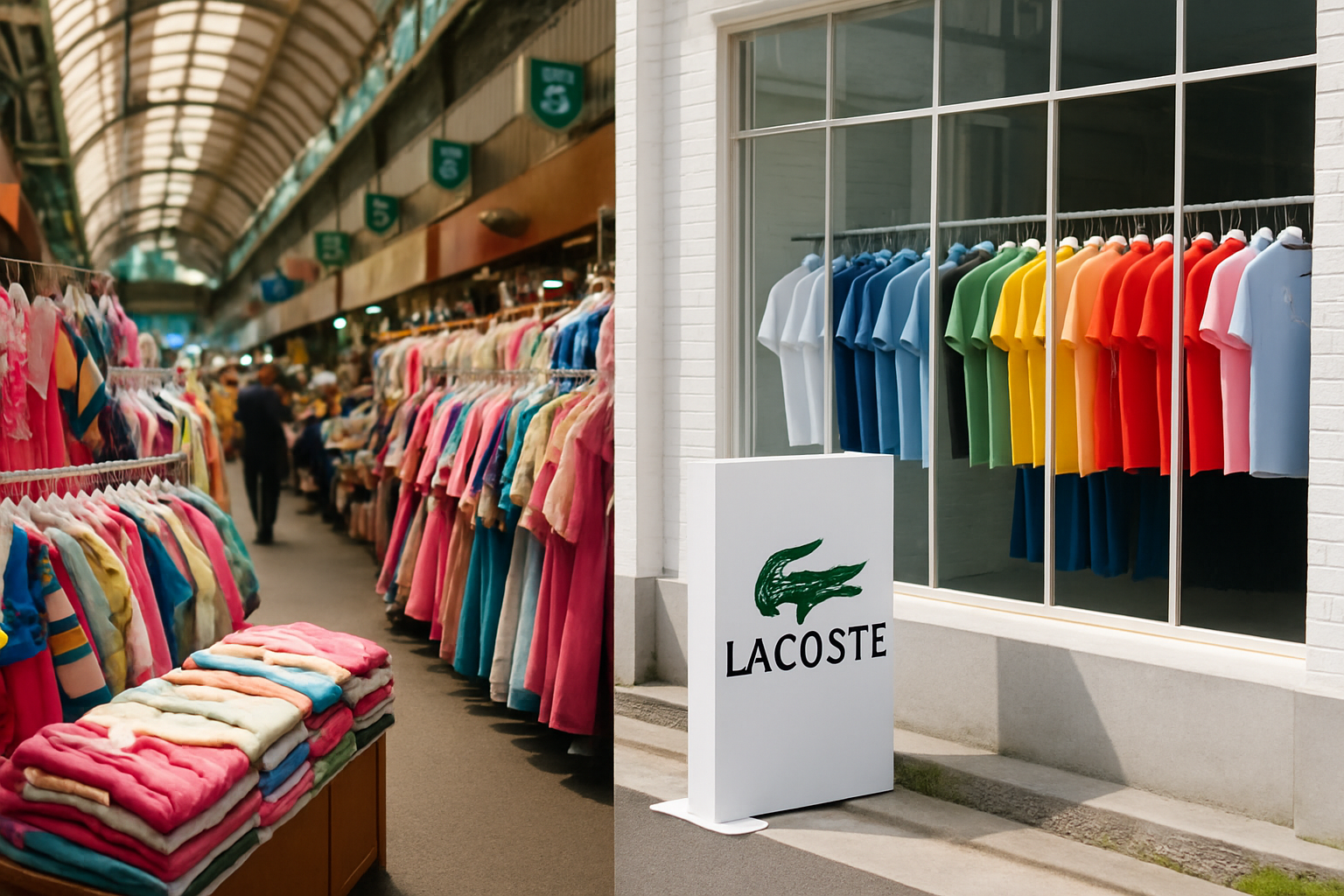
If you've ever visited Seoul's Gwangjang Market, you probably went for the food. The sizzling mung bean pancakes, the notorious "drug kimbap" — these are the things that put this centuries-old market on the global travel map. But here's the thing: the alleyways of Gwangjang are quietly being transformed into something no one quite expected. K-fashion brands are moving in, and they're moving in fast.
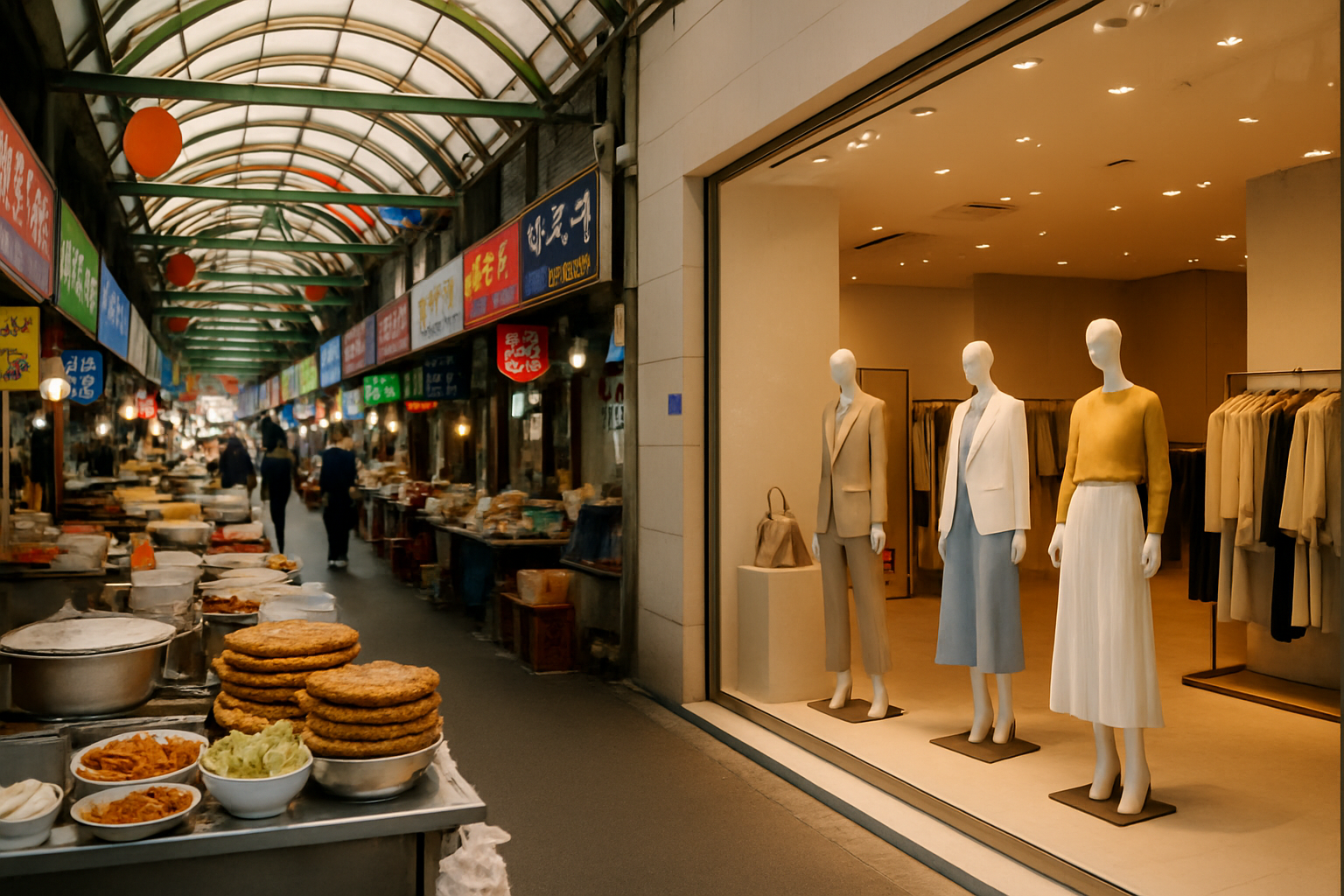
According to industry reports from May 2025, a wave of major Korean fashion labels has set up shop inside Gwangjang Market, the historic textile and food market in Jongno-gu, central Seoul. Names like Matin Kim, Marithe Francois Girbaud Korea, Satur, Kirsh, Fruit of the Loom Korea, Kodak Apparel, and Acme de la Vie have all secured retail spaces within the market. That's a lineup that would look right at home in Seongsu-dong or Apgujeong — yet here they are, nestled between vintage fabric stalls and traditional street food vendors.
Why Gwangjang? The Logic Behind the Move
So here's the thing that makes this genuinely interesting. It's not just about trendiness or novelty. There's a clear business logic at play, and it comes down to two factors: foot traffic and cost.
Prime retail districts like Seongsu-dong — Seoul's answer to Brooklyn, often called the "Brooklyn of Seoul" — and Yeonnam-dong have seen rental costs skyrocket over the past few years as brands competed for space in those coveted neighborhoods. Gwangjang Market, by contrast, offers relatively affordable lease rates while delivering something those hip districts increasingly struggle to provide: a consistent, massive flow of international visitors.
On weekdays, an estimated 90 percent of visitors to the fashion stores inside Gwangjang are foreign tourists. That's not a typo. Nine out of ten customers walking through the door on a Tuesday afternoon are travelers from overseas — and that has completely changed how brands think about this location.
The SNS Effect
There's another layer to this story, and it has everything to do with social media. When international tourists visit a K-fashion store inside a traditional Korean market, they don't just shop — they document. They post. And those posts travel far.
A representative from Matin Kim, the Seoul-based streetwear brand operated by Hago House, explained it clearly: "After opening the Gwangjang Market store, SNS mentions increased significantly, and we've seen a real uptick in foreign customers visiting specifically because they saw the store on social media." In other words, the market visit becomes content, and that content becomes global advertising.
The Matin Kim store near the market's west gate stands out visually — its sleek, design-forward exterior cuts a sharp contrast against the weathered signage and traditional stalls surrounding it. Inside, alongside bestsellers and seasonal collections, the store stocks lines specifically tailored to international shoppers, including the Seoul Exclusive line and the Hangeul line, both of which feature Korean script and local design references that tourists find especially appealing as cultural mementos.
"Foreign tourists are no longer just additional demand — they've become a core engine of brand growth. Some of our key stores now see the majority of their visitors coming from overseas." — Matin Kim representative
Satur's Approach: Designing for the Experience
Satur, a fashion brand under Recipe Group known for its refined, classic-casual aesthetic, has also planted its flag in Gwangjang. But what's particularly thoughtful about their approach is how deeply the store design is rooted in place. The Satur House Gwangjang Market location incorporates traditional Korean materials — gwangmok cotton fabric, hanji (Korean handmade paper) sheet panels, and wooden ganssal lattice details — blending them with the brand's signature clean sensibility.
The product mix has also been adapted for the tourist context. Alongside Satur's well-known knitwear and cardigans, the store has expanded its accessories offering — hats, keyrings, and other smaller items that are perfectly sized for a traveler's suitcase and budget.
What's fascinating about the Satur team's read on the situation is how they frame the relationship between K-fashion and tourism. "It's not so much a cause-and-effect relationship as it is a mutual interaction," a Satur representative said. "When there are travel-related news events — domestic or international — we feel the impact directly in our stores." The implication is significant: Korean fashion and Korean tourism have become genuinely intertwined ecosystems, each amplifying the other.
On the performance side, Satur reports that foot traffic at the Gwangjang location has remained stable since opening, with positive sales trends. The one notable difference from other locations? Customers tend to stay longer — browsing, taking in the space, treating the visit as part of a broader cultural itinerary — but they're less likely to return for repeat visits, which makes sense given the tourist-driven nature of the clientele.
A New Kind of K-Local Identity
What ties all of this together is something that goes beyond retail strategy. Gwangjang Market carries a kind of cultural weight that no newly developed shopping district can manufacture. It's been around for over a century. It smells like sesame oil and aged wood. It has texture and history in a way that a brand-new pop-up space in a renovated warehouse simply doesn't.
For K-fashion brands looking to communicate a genuine sense of Korean identity — what the industry is calling "K-local" — Gwangjang offers something invaluable: authenticity. The visual contrast of a contemporary fashion store inside a century-old market isn't jarring. It's actually compelling storytelling.
The brands moving into Gwangjang are essentially doing what the best of Korean pop culture has always done — taking something deeply local and presenting it in a way that resonates globally. It worked for music, it worked for food, and if the crowds of international tourists snapping photos inside Matin Kim and Satur are any indication, it's working for fashion too.
What This Means Going Forward
Gwangjang Market joining Seongsu-dong, Myeongdong, and Insadong as a K-fashion destination marks a real shift in how the industry thinks about retail geography. Location strategy used to be about demographics and purchasing power in a neighborhood. Now it's also about tourism flows, content creation potential, and cultural storytelling.
With summer 2025 tourist numbers expected to remain strong and inbound travel to South Korea continuing its post-pandemic surge, the brands that positioned themselves inside Gwangjang's alleys are likely sitting on a very smart long-term bet. The market that once drew visitors in with the smell of frying pancakes is now also drawing them in with the pull of K-style — and the two, it turns out, go surprisingly well together.
This article is based on reports from Smartbizn, Hansbiz, Ibabynews.