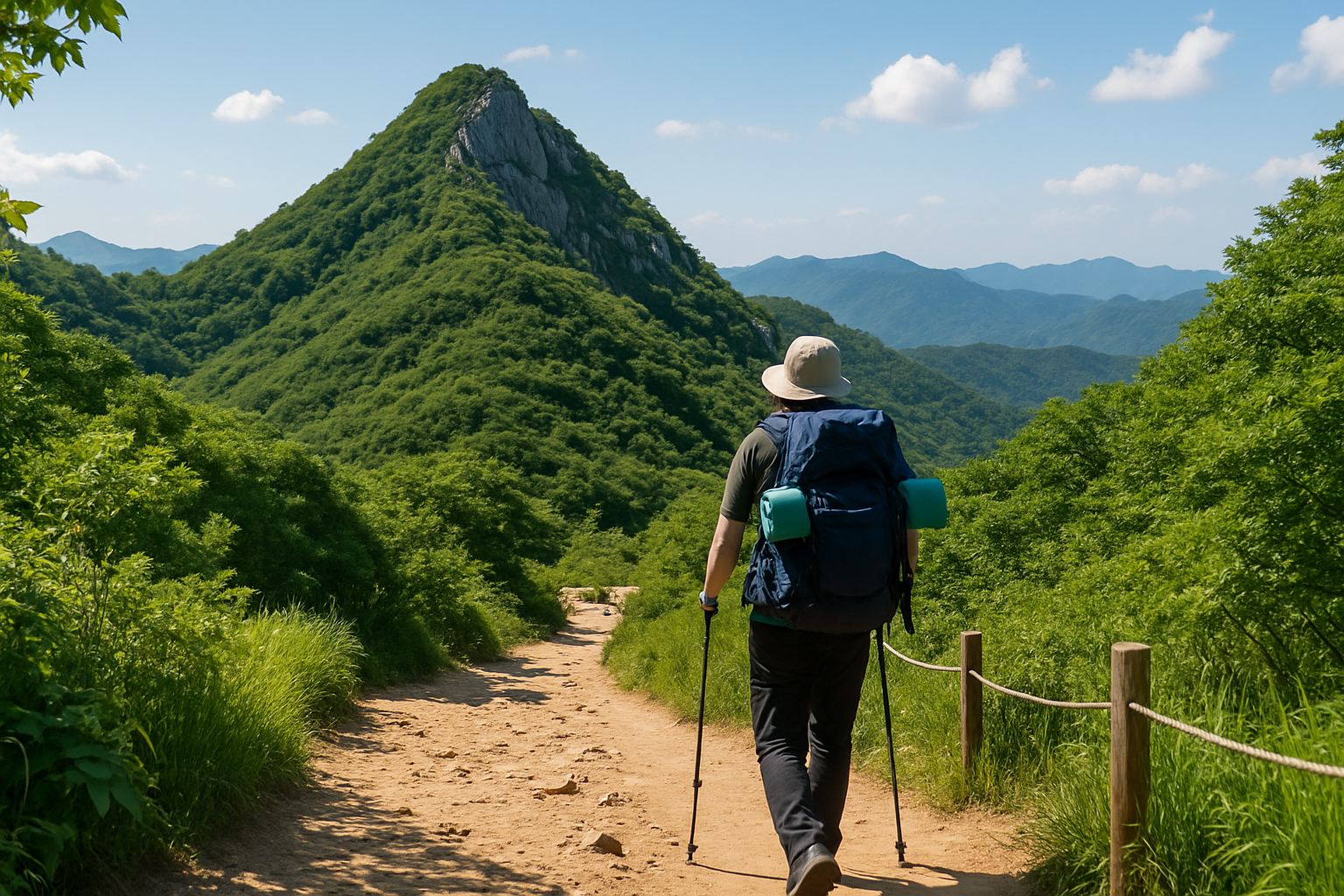
From Scenic Inspiration to Practical Guide
So here's the thing about Korean hiking content on YouTube — it has quietly gone through a pretty significant transformation. Not too long ago, you'd scroll through trail videos to admire sweeping mountain vistas and think, "Yeah, I'd love to go there someday." But someday has turned into this weekend, and the content has evolved right along with that shift in mindset.
Summer hiking in Korea is no small undertaking. Between intense heatwaves, sudden afternoon downpours, dramatically shifting temperatures between valleys and ridgelines, and the logistics of getting to a trailhead by public transit, the planning involved has grown considerably. And Korean hiking YouTubers have stepped up to meet exactly that demand.
What's really interesting is how these channels now function less like travel shows and more like interactive field guides. Viewers are no longer just watching for the views — they're studying trail gradients, pack lists, transit routes, and realistic time stamps to figure out whether a specific hike actually fits their schedule and fitness level.
The Data Behind the Trend
Kim Ami, a big data research analyst at Voice of You — a K-culture influencer market research platform — puts it plainly:
"Hiking and trekking content is shifting away from stunning summit photos toward information that helps viewers actually decide whether they can walk that trail. Channels that break content down by viewer situation — solo hiking, same-day trekking, challenging routes — connect more directly with summer hiking demand."
That's a pretty sharp observation, and it tracks with what's happening across the three major hiking channels currently leading this space in Korea.
The Channels Setting the Standard
A Million Songhuees in the Mountains (산 속에 백만송희)
With around 338,000 subscribers, this channel has carved out a loyal audience among solo hikers — particularly women hiking alone, which remains a topic that carries a real emotional weight in Korean outdoor culture. The channel doesn't just tell you what trail to take; it walks you through what to pack, what decisions you'll face mid-hike, and what the experience actually feels like when you're out there on your own.
Some of the standout content includes a video titled "What Happens When a Woman Goes Hiking Alone," which captures both the freedom and the tension of solo trail experiences. Another popular upload, "One Hour by Train — a Same-Day Trip up Mindungsan," reframes mountain hiking as a realistic, doable day trip rather than a major expedition. And for gear obsessives, "Everything About Hiking Backpacks — 9 Years of Experience Summarized" delivers exactly what it promises, in plain, experience-based language.
SantaEunji (산타은지)
This channel, sitting at around 210,000 subscribers, takes a slightly different approach — and it's one of the more compelling ones out there. SantaEunji blends trail hiking with remote outdoor travel, and what sets it apart is that it prioritizes how a place makes you feel, not just how to get there.
The content ventures into what you might call narrative hiking — it's less "here's the route" and more "here's what happens to you when you're deep in a place most people never visit." A standout video covering an overnight same-day traverse of Seoraksan's Dinosaur Ridge — one of the most technically demanding ridgeline hikes in Korea's national park system — plays out almost like a personal challenge documentary. The channel also spans beach camping, self-sufficiency content, and travel-style outdoor adventures, giving it a wider appeal beyond pure trail guides.
Trekking Korea (트레킹 코리아)
At roughly 260,000 subscribers, Trekking Korea keeps things highly practical and transit-friendly. If you're the kind of person who wants to know whether you can get somewhere without a car, this channel is built for you. It highlights day-trip routes accessible by public transportation, walking paths through gorges and cliffs, and urban adjacent trails — including a video specifically about "Seoul's Best Summer Walking Paths."
One particularly popular upload covers a 5.2-kilometer gorge trekking course that holds the distinction of being Korea's first nationally designated route of its kind. The channel is especially useful for viewers in and around Seoul who want to get outside without committing to a full weekend away.
A Broader Ecosystem Worth Knowing
Beyond the big three, Voice of You's Influencer Market Research data also flags several other Korean hiking channels worth keeping an eye on. These include Gilgeongnam's Smart Hiking (길걷남의 똑똑한 산행), Deungalnam TV (등알남TV), Janjjanhan Miso (잔잔한미소), and leesumni — each covering different corners of the hiking and trekking space with their own distinct style.
Why This Matters Beyond Korea
Korea has a deeply rooted hiking culture — the country has 22 designated national parks, and mountains like Hallasan on Jeju Island and the trails of Seoraksan draw visitors from across Asia and beyond. As interest in outdoor travel continues to grow internationally, these YouTube channels are quietly becoming some of the most useful resources for anyone planning a trip to Korea and wanting to get off the tourist trail — literally.
The shift from "inspiration content" to "practical planning tool" is happening across outdoor media globally, but what makes the Korean hiking YouTube scene particularly interesting is how specifically it caters to real logistical needs: train access, summer heat safety, solo travel considerations, and day-trip feasibility. That level of viewer-first thinking is what's turning these channels from niche followings into essential pre-hike research.
So the next time you're planning a trip to Korea and wondering whether you can squeeze Seoraksan into a single day — there's a YouTube channel that's already answered that question in exhaustive, honest, and genuinely useful detail.
This article is based on reports from Bntnews, News, Bntnews.