A Wet Saturday Across South Korea
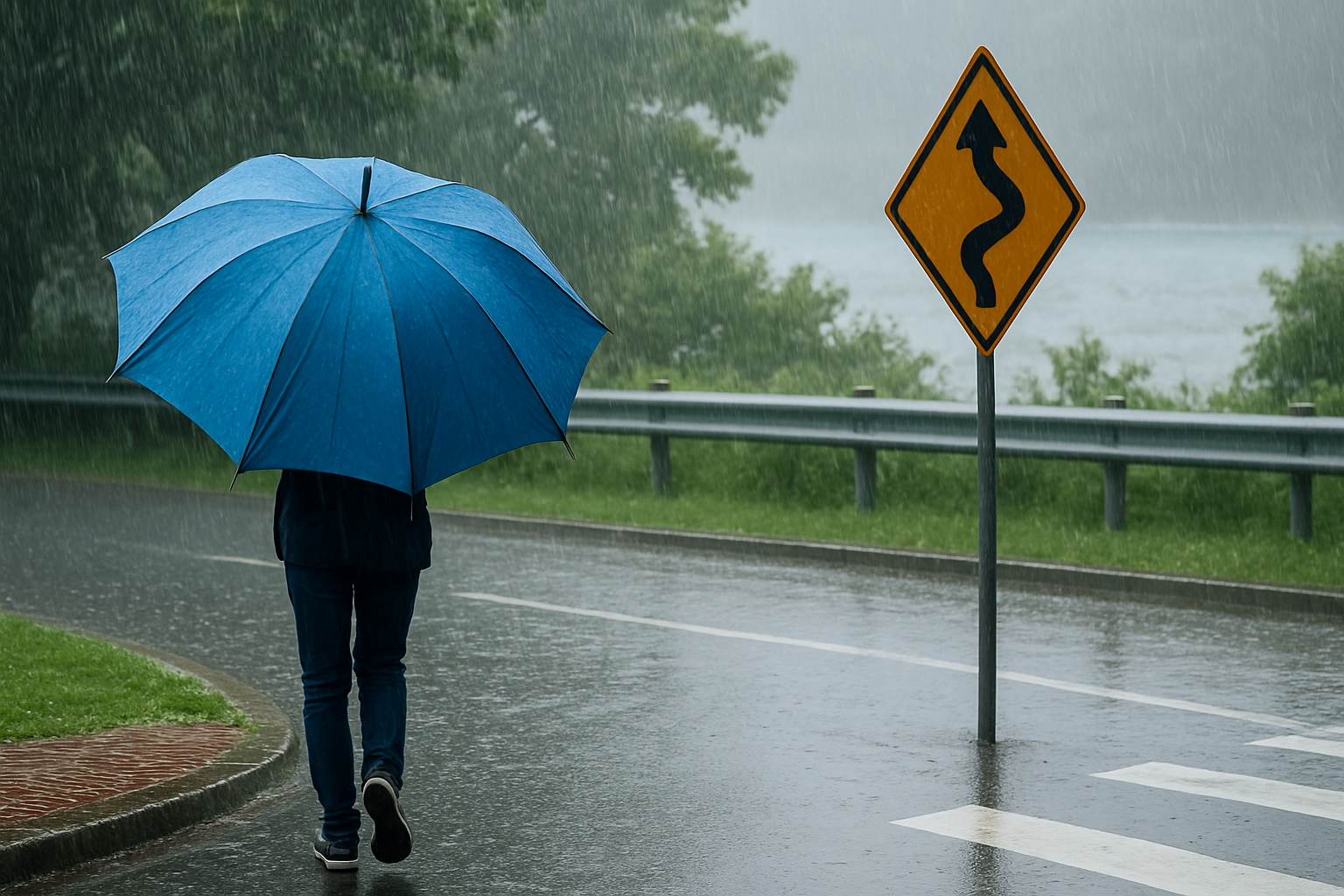
So here's the thing about South Korean summers — they come with rain, and they come with a lot of it. This past Saturday, June 20, that reality hit hard for people across Gangwon Province, Jeju Island, and the southeastern port city of Busan, as a second consecutive day of heavy downpours swept through the country's east coast and southern regions.
The good news? No casualties were reported. The not-so-great news? The rain caused widespread disruption — from shutting down mountain trails to throwing a wrench into one of the country's most beloved regional festivals.
The Numbers Tell the Story
Let's talk about how much rain we're actually dealing with here. By 4 p.m. on Saturday, Misiryeong Pass in Gangwon Province had recorded a maximum of 223 millimeters of rainfall, according to the Gangwon Regional Office of Meteorology. For context, that's a serious amount of water to fall in a single day in one location.
Jeju Island — the southern resort island that's a favorite getaway for both Koreans and international tourists — saw more than 150 millimeters of rain for the second straight day. Meanwhile, Busan, South Korea's second-largest city and a major port hub on the southeastern tip of the peninsula, reported 49 separate weather-related accidents involving strong winds and heavy rain, according to the city's fire service.
By 4 p.m., authorities had lifted the heavy rain warning as rainfall began to ease. But strong winds and high waves were still being reported along the country's east coast, and the Korea Meteorological Administration (KMA) warned of rough seas continuing into Sunday, with waves in the East Sea expected to reach up to 5 meters.
Mountains Closed, Festivals Disrupted
What's really interesting is how the rain rippled outward into everyday life for people across the country — not just in terms of safety, but in terms of culture, too.
Mount Seorak and Mount Halla Access Restricted
In Gangwon Province, the national park office of Mount Seorak — one of South Korea's most iconic and visited mountain parks — restricted access to high-altitude trails as a precaution. And over on Jeju Island, the national park office of Mount Halla, which is the highest peak in all of South Korea, went further and closed most of its trails entirely.
These aren't minor inconveniences. Both parks draw significant numbers of domestic and international hikers, especially during the summer season.
The Gangneung Danoje Festival Feels the Impact
Perhaps the most culturally significant disruption this weekend was to the Gangneung Danoje Festival, held in the coastal city of Gangneung, about 170 kilometers east of Seoul. For those who aren't familiar with it, the Danoje Festival is a UNESCO-designated intangible cultural heritage event — a centuries-old celebration rooted in shamanist rituals, folk performances, and traditional Korean customs. It's a big deal, not just regionally, but nationally.
With the city getting hammered by heavy rainfall, festival organizers were forced to cancel or reschedule several programs. A makeshift bridge set up specifically for the festival also had to be closed off to visitors due to safety concerns. It's the kind of disruption that's disappointing for thousands of attendees who travel specifically for the event.
Landslide Warnings Raised
The Korea Forest Service wasn't sitting on its hands either. By 8:30 a.m. Saturday, landslide warnings for both Gangwon Province and North Gyeongsang Province had been elevated from "attention" to "caution" — the next level up on the alert scale. Given that these areas include mountainous terrain that's already saturated from the previous day's rainfall, that kind of warning is taken seriously.
What's Next
The KMA had forecast that rain would likely continue across South Korea through Saturday evening, following overnight downpours that drenched much of the country. Rough sea conditions were expected to persist in southern and eastern waters through Sunday, which also affects maritime activity and coastal communities.
South Korea's rainy season — known locally as jangma — typically arrives in late June and can stretch into July or even August, bringing prolonged periods of heavy rain. While Saturday's weather appeared to be easing by late afternoon, residents and travelers across the affected regions are being advised to remain cautious, especially in areas prone to flooding and landslides.
For now, the mountains are quiet, the festival has paused, and South Korea waits out the rain.
This article is based on reports from Natv, Breaknews, Yonhap News.