A Homecoming with Global Consequences
So here's the thing about BTS and Busan — this relationship goes way deeper than just a band being proud of their hometown. What's happening right now is something genuinely remarkable: a major global pop group is actively reshaping how international tourists think about a South Korean city, and it's all playing out in real time.
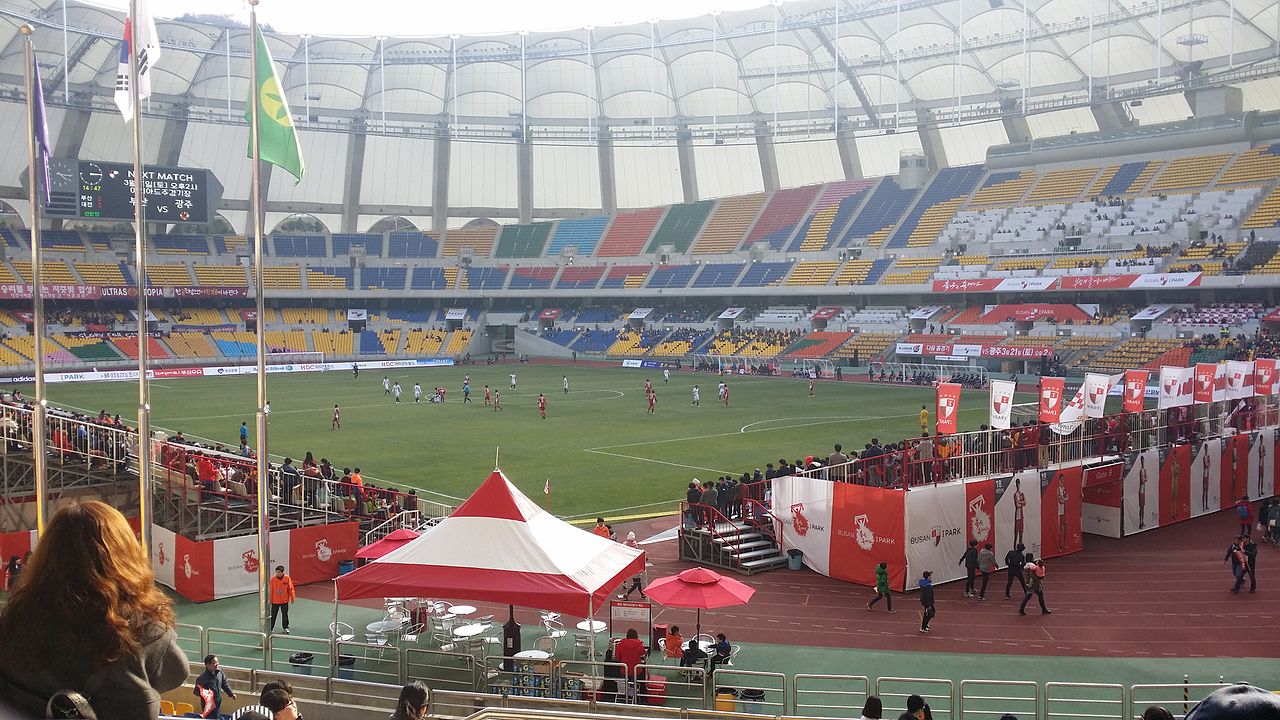
BTS is set to perform two concerts at Busan Asiad Main Stadium on June 12 and 13 as part of the group's ongoing "Arirang" world tour — and for the city of Busan, South Korea's second-largest city and a major southern port, the buzz is already very real. Hotel reservations by foreign visitors have surged ahead of these shows, and the streets around the stadium are already decorated with imagery of the group's Busan-born members.
Busan's BTS Connection Runs Deep
If you're new to the BTS universe, here's some context that matters. Two of the group's seven members — Jimin (Park Ji-min) and Jungkook (Jeon Jung-kook) — were both born and raised in Busan. That local pride factor has been a part of the group's identity for years, and the city has leaned into it hard.
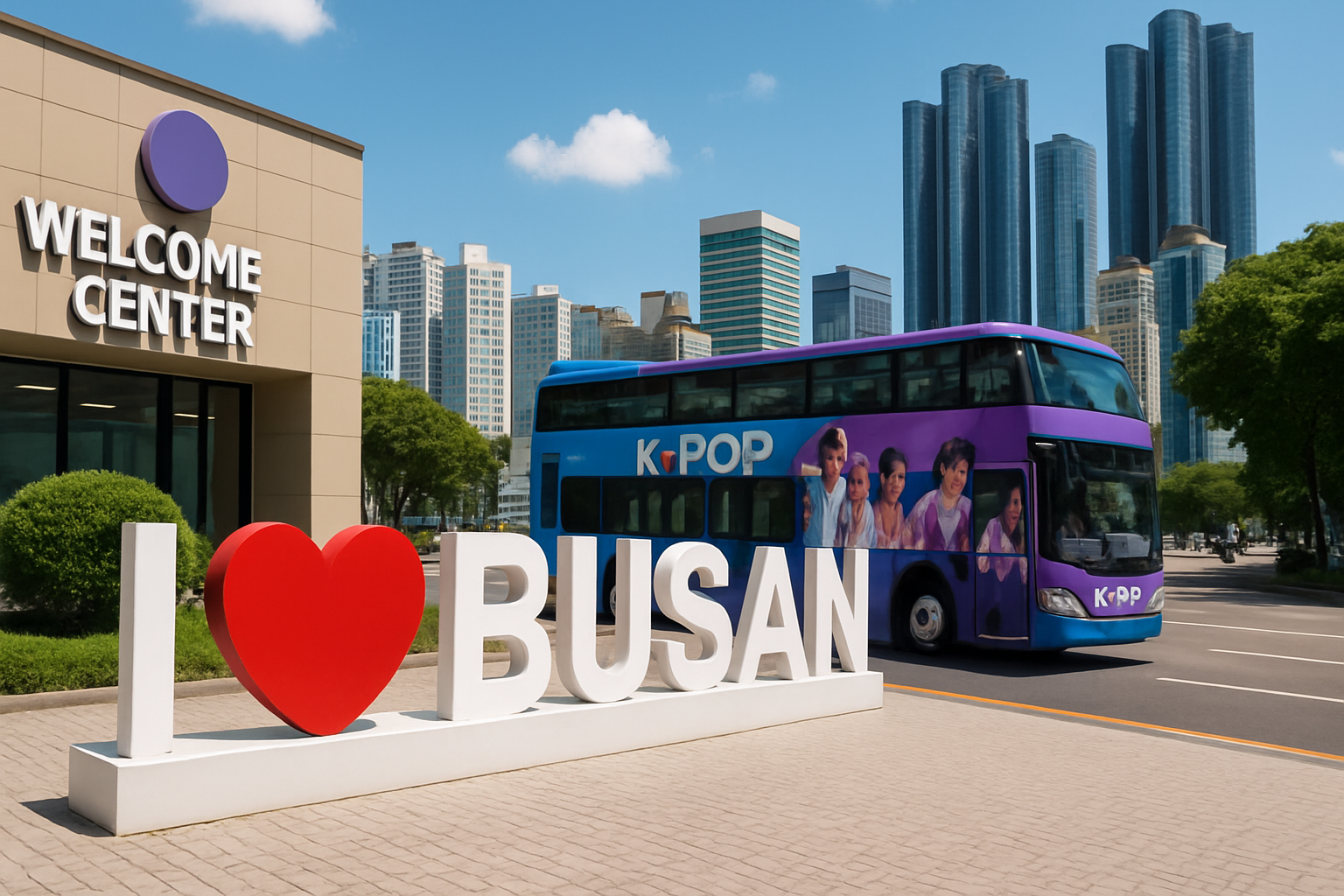
Walk through Gamcheon Culture Village — a colorful, hillside neighborhood in Busan that's become one of the city's most-photographed spots — and you'll find large murals of Jimin and Jungkook greeting tourists. Inside subway stations near Busan Asiad Main Stadium, their faces are displayed prominently, almost like a civic welcome. The city has essentially built an entire layer of BTS-themed tourism infrastructure, and it's working.
This isn't the first time BTS has performed in Busan, either. Back in October 2022, the group held a massive free concert called "Yet To Come in Busan" at the very same Asiad Main Stadium, drawing enormous crowds and generating widespread international attention for the city. The June 2025 concerts are picking up right where that momentum left off.
The "Arirang" World Tour and What It Means
The Busan dates are part of BTS's sprawling "Arirang" world tour, which has already taken the group to some headline-grabbing venues. Earlier in the tour, they performed at Goyang Main Stadium in Gyeonggi province in April, then headed to the United States for shows at Allegiant Stadium in Las Vegas across four nights in late May. There, BTS also lit up the iconic Sphere — Las Vegas's futuristic globe-shaped entertainment venue — as part of a wider city-takeover project they called "The City Arirang." Seeing the BTS name glowing on the exterior of Sphere is the kind of image that travels fast on social media, and it did.
Now that energy is coming home — literally — with the Busan leg of the tour. And what's really interesting is that this isn't just a concert stop. It's a deliberate cultural moment.
The "BTS Effect" on Tourism
There's a broader conversation happening in South Korea right now about whether the so-called "BTS effect" can do for Korean tourism what anime and video games did for Japan — that is, transform pop culture fandom into sustained, destination-driven travel. Japan has decades of experience converting franchise enthusiasm into tourism yen, with visitors making pilgrimages to locations featured in beloved anime series or games. Korea is increasingly asking: can K-pop do the same thing?
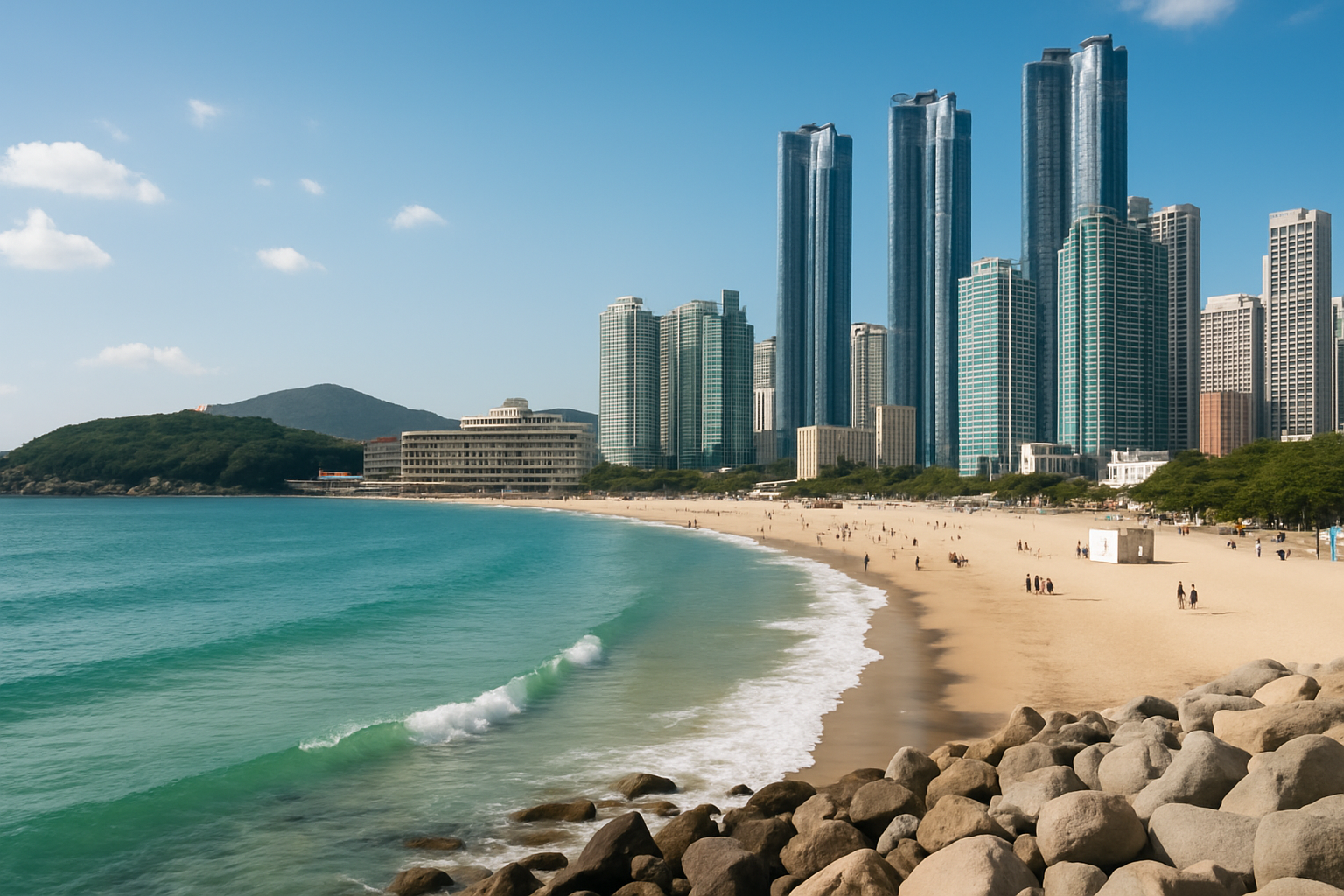
Busan seems like the most compelling case study so far. The surge in hotel bookings ahead of the June concerts is a hard, measurable data point. Foreign tourists are flying into the city specifically for these shows — and while they're there, they're visiting Gamcheon Culture Village, exploring the waterfront, and spending money across the city's economy. That's the tourism multiplier effect in action.
The city has been thoughtful about building on this foundation. Traces of BTS are woven into Busan's cultural landscape in ways that persist long after any single concert ends — the murals, the subway imagery, and community spaces that have embraced the group's connection to their hometown. It creates a reason to visit even when BTS isn't actively performing there.
A Stadium, a City, and a Fandom
Busan Asiad Main Stadium was originally built for the 2002 Asian Games — a major multi-sport event hosted jointly by Korea and Japan. It has since hosted a range of large-scale events, but the BTS concerts have arguably given it its highest international profile yet. Aerial images of the venue ahead of the June shows capture just how central it's become to this moment for the city.
For ARMY — the name for BTS's global fanbase — the Busan concerts carry a particular emotional weight. There's something about seeing a group perform in the city that shaped two of its members, in front of fans who have traveled from around the world to be there. At the 2022 "Yet To Come in Busan" concert, fans were photographed holding ARMY Bombs (the group's official lightstick) alongside handwritten signs reading "ARMY is here; don't worry, BTS" — a message of solidarity that said a lot about the relationship between the group and its supporters.
That same energy is expected to fill the stadium again in June, with an international crowd that will leave Busan carrying the city's name with them back to their home countries.
What Comes Next
The bigger picture here is about what happens after the tour ends. Tourism spikes around concerts are well-documented, but converting that short-term influx into long-term destination appeal is the harder challenge. Korea's tourism authorities and city planners are clearly paying attention to what BTS has built in Busan, and the question of how to sustain and expand that effect is very much an active one.
For now, though, Busan is having its moment — and given the scale of everything BTS has built, it's a moment the city has very much earned a place in.
This article is based on reports from Koreajoongangdaily, Breaknews, Topstarnews.