Korea Is Having a Moment — And Travelers Are Noticing
So here's the thing: South Korea has been quietly building one of the most compelling tourism ecosystems in the world, and it is no longer quiet about it. Fueled by the global explosion of K-pop, K-dramas, and Korean cuisine, the country is welcoming a new wave of international visitors who are not just passing through — they are coming with a very specific wishlist in mind.
Whether you are a longtime fan of groups like BTS, BLACKPINK, or aespa, or someone who simply binged a Korean drama and found yourself Googling flights to Seoul at midnight, South Korea has figured out how to turn cultural fascination into genuine, unforgettable travel experiences. Let's walk through some of the best ways to make the most of it.
Seoul: The Undisputed Starting Point
If you are planning a K-pop-inspired trip, Seoul is your home base — full stop. The capital city has essentially become a living, breathing extension of the Hallyu wave, which is the term Koreans use to describe the global spread of Korean culture. Nearly every neighborhood has something to offer fans, but a few spots stand out in particular.
HYBE Insight and the K-Pop Museum Experience
What's really interesting is how the entertainment industry itself has leaned into tourism. HYBE — the powerhouse label behind BTS, SEVENTEEN, and NewJeans, among others — operates HYBE Insight, an interactive museum in the Yongsan district of Seoul. It is part exhibition space, part fan experience, and completely unlike anything you would find at a typical record label's headquarters. Visitors can explore the stories behind some of the biggest albums in K-pop history, see original costumes and memorabilia, and engage with immersive installations. If you are a fan, this is essentially a pilgrimage site.
Hongdae: Where the Music Lives on the Street
Just a short subway ride away is Hongdae, the neighborhood surrounding Hongik University that has long been the beating heart of Seoul's indie and idol music scenes alike. On any given weekend afternoon, you will find street performers — many of them aspiring idols or dance crews — putting on full performances right on the pavement. The energy here is electric, and the surrounding streets are lined with K-pop merchandise shops, photo booths, and cafes themed around your favorite groups. It is the kind of place where you could easily lose an entire afternoon without even trying.
The SMTOWN Experience and Beyond
SM Entertainment, one of Korea's "Big Four" entertainment labels and home to legends like Girls' Generation, EXO, and NCT, runs its own fan destination called SMTOWN COEX Artium in the Gangnam district — yes, that Gangnam. The complex includes a rooftop café, a store stocked with official merchandise, and regular pop-up events tied to album releases and artist promotions. For fans of SM's roster, it is a must-visit. And honestly, even if you are not a die-hard fan, the sheer scale of how Korea has commercialized its pop culture in a fan-friendly way is fascinating to witness firsthand.
Step Into the Drama: Filming Locations Across the Country
K-pop is only half the equation. K-dramas have arguably done just as much — if not more — to put South Korea on the global travel map. Shows like "Crash Landing on You," "Goblin," and the worldwide phenomenon "Squid Game" have turned ordinary Korean locations into international tourist destinations overnight.
From Seoul's Palaces to Jeju Island
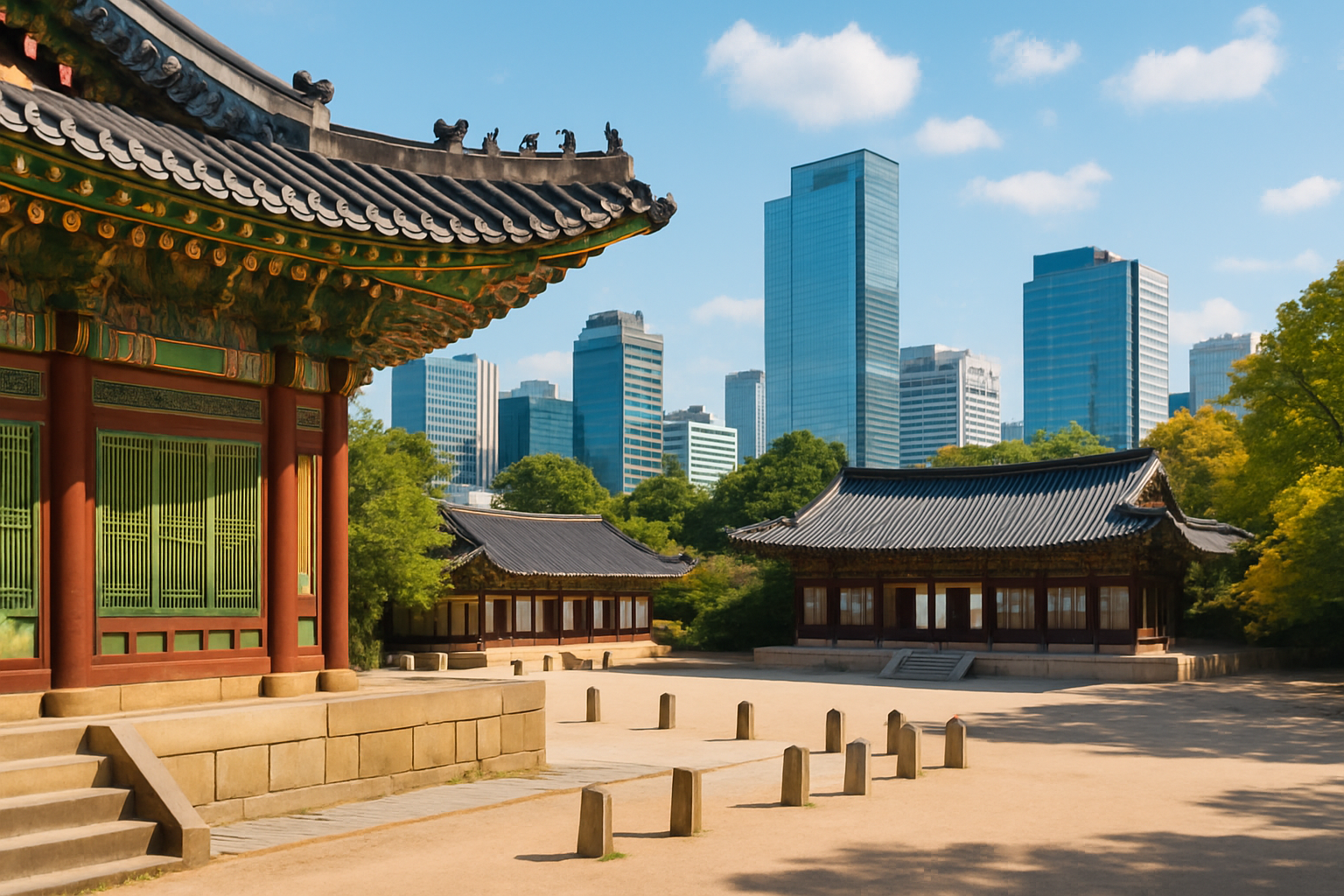
Gyeongbokgung Palace in central Seoul, one of the country's most iconic historical landmarks, has appeared in countless dramas and has become a particularly popular spot for visitors who want to rent a hanbok — the traditional Korean garment — and explore the grounds dressed in full historical style. Many rental shops operate right outside the palace gates, and wearing a hanbok actually grants you free entry. It is one of those rare travel experiences that manages to be both genuinely educational and wonderfully photogenic at the same time.
Further afield, Jeju Island — a volcanic island off the southern coast that functions as Korea's version of Hawaii — has drawn attention for its dramatic natural landscapes that have featured prominently in numerous dramas and music videos. The island offers everything from lava tube caves and waterfalls to orange orchards and black sand beaches, and it is accessible by a short domestic flight from Seoul.
Food, Cafes, and the Culture of "Healing"
Here is something that does not always make the travel headlines but absolutely should: Korean food culture is a destination in itself. Beyond the globally recognized hits like Korean BBQ and bibimbap, Seoul in particular has developed an extraordinary café culture that is deeply intertwined with K-pop fandom.
So-called "fan cafes" — temporary pop-up cafes set up by fan clubs to celebrate an artist's birthday or album release — have become a uniquely Korean phenomenon that visitors are increasingly seeking out. These cafes are typically decorated floor to ceiling with photos and art of the celebrated artist, offer themed drinks and desserts, and give fans a communal space to share in their appreciation together. They are usually only open for a few days or weeks, so timing your visit to coincide with one adds a fun layer of spontaneity to any trip.
For something more permanent, the Insadong and Ikseon-dong neighborhoods offer beautifully preserved traditional alleyways filled with independent cafes, craft shops, and street food vendors — a quieter, more contemplative counterpoint to the neon-lit energy of Hongdae or Gangnam.
K-Beauty: The Other Pilgrimage
No conversation about Korean tourism is complete without mentioning K-beauty. The global skincare and cosmetics industry has taken enormous cues from Korean beauty philosophy — the 10-step skincare routine did not become an international trend by accident — and traveling to Korea gives you direct access to the source. Myeongdong, a shopping district in central Seoul, is essentially a beauty lover's paradise, packed with flagship stores from brands like Innisfree, COSRX, and Sulwhasoo, alongside countless smaller shops offering affordable sheet masks, serums, and sunscreens that have not yet made it to shelves in other countries.
Why Now Is a Great Time to Go
South Korea has made significant investments in its tourism infrastructure in recent years, and the country is increasingly easy to navigate for international visitors. English signage is widespread in major cities, public transportation is world-class, and the Korea Tourism Organization offers a range of resources — including official K-pop tour packages — to help first-time visitors plan their trip.
The Hallyu wave shows absolutely no signs of slowing down, and South Korea is leaning into its cultural moment with open arms. Whether you are chasing the music, the food, the history, or simply the feeling of being somewhere that is genuinely thrilled to share itself with the world, the timing could not be better.
"Seeing so many people come together to enjoy the culture is incredible," one international visitor to Seoul recently remarked — and really, that sentiment captures the essence of traveling to Korea right now better than any guidebook could.
So if Korea has been on your travel radar, consider this your sign. The country is ready for you — and it has a lot to show off.
This article is based on reports from Koreatimes, Koreatimes, Yonhap News.