The Business Behind the Dream
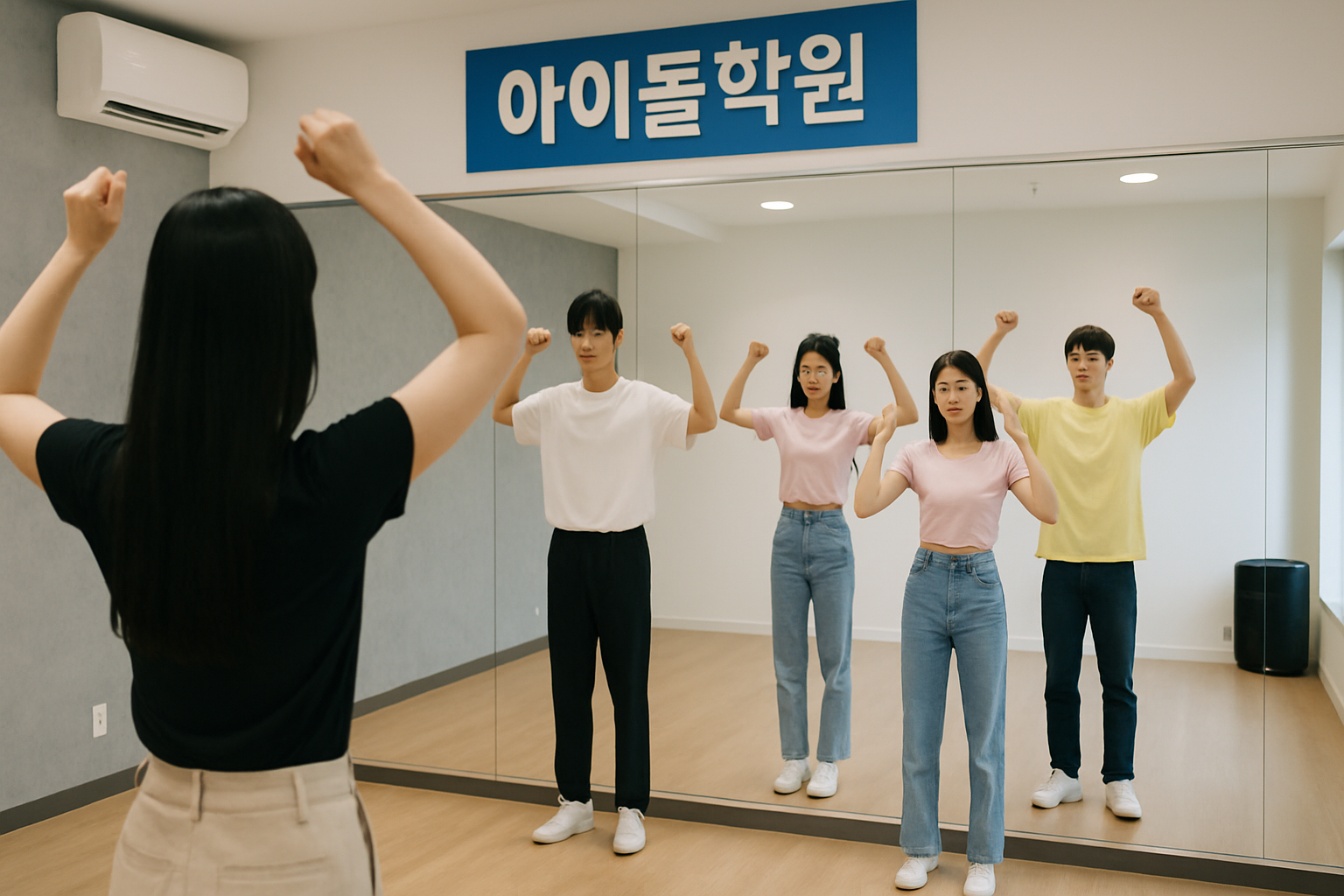
So here's the thing — for millions of young people across Asia and beyond, becoming a K-pop idol is not just a fantasy. It's a goal with a roadmap. And that roadmap increasingly runs through a growing industry of private idol training academies, or what Koreans call "아이돌학원" (idol hagwon). As the global K-pop wave shows no signs of slowing down, the market for these specialized schools has expanded rapidly — and with it, a new set of questions about how students, many of them minors, are being protected along the way.
What's really interesting is that this isn't just a niche corner of the Korean education market anymore. The idol academy industry has grown into a sizeable business, attracting students not only from Korea but increasingly from Southeast Asia, China, and even Western countries who travel to Korea specifically to train. These academies offer everything from vocal and dance coaching to personal styling, stage presence workshops, and media training — essentially packaging the full idol trainee experience for paying students.
The Rise of Joint Auditions
One of the biggest driving forces behind the boom is the proliferation of so-called "연합오디션," or joint auditions — large-scale events where multiple entertainment agencies come together under one roof to scout new talent. For students and their parents, these events represent a golden ticket: a single audition stage where trainees can be seen by representatives from several companies at once, dramatically increasing the perceived odds of being discovered.
For the academies themselves, joint auditions have become a powerful marketing tool. Being able to tell prospective students that their graduates have appeared at — or even passed — one of these high-profile audition events adds enormous credibility and draws in new enrollment. The competitive atmosphere around these events has effectively created a feedback loop: more auditions mean more demand for training, which means more academies opening their doors, which means even more students entering the pipeline.
But the competition is fierce. Industry observers note that while the number of joint audition events has grown, the actual ratio of students who successfully debut through these channels remains extremely low. That gap between expectation and reality is at the heart of the conversation now beginning to take shape around student protections.
Where the Concerns Lie
The rapid growth of the idol academy market has outpaced the regulatory frameworks meant to govern it. Many of these institutions operate in a legal gray zone — they are private education businesses, but the services they provide blur the line between vocational training, entertainment industry recruitment, and in some cases, outright exploitation of hopeful young students and their families.
Some of the key concerns being raised include:
- High tuition fees with little transparency about how funds are used or what outcomes students can realistically expect
- Contracts between academies and students — or their parents — that may include clauses binding students to specific agencies or limiting their ability to audition elsewhere
- The emotional and psychological toll on young trainees who face repeated rejection in a highly competitive environment
- A lack of standardized oversight for the quality of instruction or the conduct of academy operators
For context, it helps to understand how the traditional K-pop trainee system works. Major agencies like HYBE, SM Entertainment, or JYP Entertainment typically run their own in-house trainee programs, recruiting directly and covering the costs of training in exchange for a long-term contract. Private idol academies exist outside this official system — they charge students upfront, with no guarantee of a debut or even a formal audition opportunity at the end of the road.
The Call for Safeguards
Industry voices and education advocates are increasingly calling for clearer protections to be put in place — particularly given that the majority of idol academy students are teenagers, and some are even younger. The conversation is starting to mirror broader debates in Korea about the welfare of child and youth performers in the entertainment industry, an area where Korean lawmakers have made some progress in recent years but where gaps still clearly exist.
Among the measures being discussed are stricter disclosure requirements for academies, standardized contracts that clearly outline what students and families are paying for, and dedicated channels for students to report grievances without fear of losing their standing at an academy or being blacklisted from audition circuits.
The dream of becoming a K-pop idol is entirely legitimate — but the industry infrastructure around that dream needs to grow up alongside it.
There's also a growing push to regulate the joint audition format itself. Critics argue that some of these events function less as genuine talent discovery opportunities and more as revenue-generating showcases, where academy students pay participation fees for the chance to perform in front of agency representatives who may have little serious intention of signing anyone on the day. Greater transparency around who is actually attending these events, in what capacity, and what follow-up processes look like for participants, are all being flagged as areas in need of improvement.
A Market That Isn't Going Away
Here's the bottom line: the K-pop industry's global momentum is real, and the aspirations it inspires in young people are completely understandable. The idol academy market exists because there is genuine, massive demand for it — and for many students, these programs genuinely do provide valuable training in performance skills, regardless of whether they ever step onto a professional stage.
But as this market matures, so too must the accountability structures around it. South Korea has a strong track record of building regulatory frameworks that protect young people in education and entertainment contexts when there is sufficient public and political will to do so. The question now is whether the growth of the idol academy industry has reached a scale where that will is finally coalescing.
For families across Korea — and increasingly around the world — who are investing real money and real hope into their children's idol dreams, that question matters enormously. And it looks like the conversation about answers is only just beginning.
This article is based on reports from Breaknews, Businesskorea, Popcornnews.