When Football Meets K-Pop
So here's the thing — the 2026 FIFA World Cup, hosted across North America in the United States, Canada, and Mexico, isn't just making history on the pitch. Off it, K-pop is quietly — or not so quietly — becoming one of the biggest storylines of the entire tournament. From the opening ceremony to the anthems echoing through packed stadiums, Korean artists are leaving their mark on the world's most-watched sporting event.
Lee Jae Opens the World Cup — in Korean
Let's start with what is arguably the most talked-about moment of the opening ceremony. On June 11 (local time) at Mexico City's Estadio Azteca, singer-songwriter Lee Jae took the circular stage alongside world-renowned Italian tenor Andrea Bocelli to perform the official FIFA World Cup anthem, "DNA," in front of a crowd of 87,000 people.
What's really interesting is how the performance was structured. Bocelli sang the lyric "even when I fall, I rise again" in Italian — and then Lee Jae picked it up in Korean, delivering the same message in her native language to a stadium full of football fans from around the globe. It was a genuinely remarkable moment. Having Korean lyrics embedded in an official FIFA World Cup anthem is, to put it plainly, unprecedented.
"It was truly an honor to sing the official World Cup anthem 'DNA.' Thank you so much for the invitation." — Lee Jae, via social media after the performance
But the music wasn't the only thing people were talking about. Lee Jae's outfit quickly became a viral sensation. She wore a stunning modern hanbok-inspired gown by Korean label Le Jou, designed with lotus flower motifs and nearly 100 yards of layered fabric meant to evoke the reflection of light on water — a breathtaking fusion of traditional Korean aesthetics and contemporary fashion.
White Sneakers and a Whole Lot of Heart
Here's where it gets charming. Instead of heels, Lee Jae wore white sneakers under that elaborate gown. Why? Because the opening ceremony took place right before the first match, and she reportedly chose flat shoes to avoid damaging the stadium's grass with pointed heels. Fans around the world absolutely loved this detail — social media immediately lit up with people trying to track down the exact sneakers she wore, and the phrase "she protected the pitch" trended across multiple platforms.
On top of that, broadcast cameras caught Lee Jae gently guiding the visually impaired Bocelli across the stage — steady, attentive, and graceful. It was the kind of small, human moment that the internet tends to never forget.
For those who may not be familiar with Lee Jae, she is a former SM Entertainment trainee who pivoted to songwriting, crafting hits for major K-pop groups including Red Velvet, TWICE, aespa, LE SSERAFIM, and NMIXX. She gained wider international recognition through her work on the Netflix series "K-Pop Demon Hunters," where she also provided vocals for the fictional girl group Huntrix. One of those songs, "Golden," spent eight weeks at number one on the Billboard Hot 100 and won the Grammy Award for Best Song Written for Visual Media at the 68th Grammy Awards — making it a historic first Grammy win for a K-pop-affiliated track.
Lisa Brings the Energy
Lee Jae wasn't the only K-pop name lighting up the 2026 World Cup. Lisa (Lalisa Manobal), the Thai-born former member of BLACKPINK who has since launched a massively successful solo career, also performed as part of the tournament's broader entertainment lineup. Known globally for her powerhouse stage presence and genre-blending music, Lisa's involvement further cemented the idea that K-pop — and its extended universe of artists — has firmly planted itself in the world of global sports entertainment.
BLACKPINK, for context, is one of the best-selling girl groups in history, and Lisa in particular has built an enormous solo fanbase since her 2023 independent releases. Her appearance at the World Cup was seen by many as a natural extension of her growing influence in Western pop culture.
BTS in the Mix
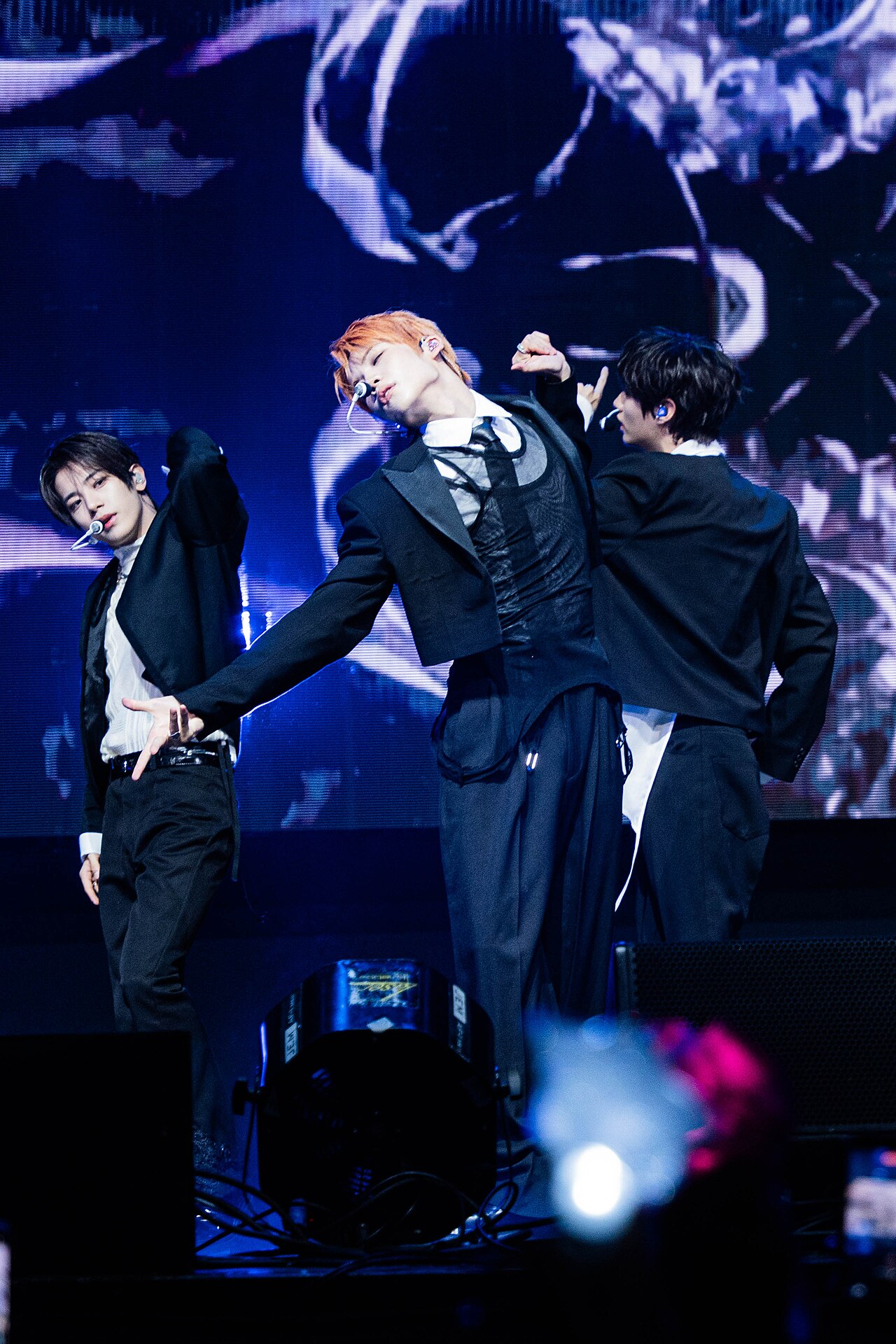
And then there's BTS. The seven-member group from HYBE — widely considered the biggest K-pop act in history and one of the most influential music groups of the past decade — also has a presence woven into the World Cup's cultural fabric. Whether through official partnerships, curated playlists, or fan-driven moments that tend to take on a life of their own, BTS's connection to the tournament reflects just how deeply the group has embedded itself into global pop culture at large.
BTS, for those newer to the K-pop world, broke through internationally around 2017–2018 and have since sold out stadiums across every continent, topped Billboard charts repeatedly, and addressed the United Nations. Several members are currently completing their mandatory South Korean military service, but that hasn't dimmed their cultural footprint one bit.
Why This Matters Beyond the Music
It's worth stepping back and thinking about what this all means. FIFA and major global sporting events have historically looked to Western pop acts — think Shakira's "Waka Waka" or Pitbull and Jennifer Lopez's "We Are One" — for their signature musical moments. The 2026 World Cup feels different. Having a Korean-language lyric delivered live in a FIFA opening ceremony to nearly 90,000 fans is a cultural milestone, not just a musical one.
K-pop has spent years building an infrastructure of global fandoms, streaming power, and cultural credibility. What's happening at the 2026 World Cup is, in many ways, the payoff of that work. These aren't token appearances. Lee Jae co-headlined the opening ceremony. Lisa commands arenas on her own. BTS redefined what a music group could achieve internationally.
So here's the big picture: the 2026 FIFA World Cup isn't just a football tournament. For a lot of people around the world, it's also the moment K-pop officially arrived on the grandest stage of all — and it's only getting started.
This article is based on reports from Sportsq, Mt, Xportsnews.