Two Korean Food Giants Head to Bangkok
So here is some exciting news for anyone who follows the global expansion of Korean food culture. Two of South Korea's most recognizable food companies — Binggrae and Daesang — are confirmed to participate in THAIFEX-Anuga Asia 2026, one of the largest and most influential food and beverage trade shows in the Asia-Pacific region.
The event is scheduled to take place in Bangkok, Thailand, and it draws tens of thousands of industry professionals, buyers, and food brands from across the world. For Korean food companies, it represents a significant opportunity to connect directly with distributors, retailers, and consumers across Southeast Asia and beyond.
Who Are Binggrae and Daesang?
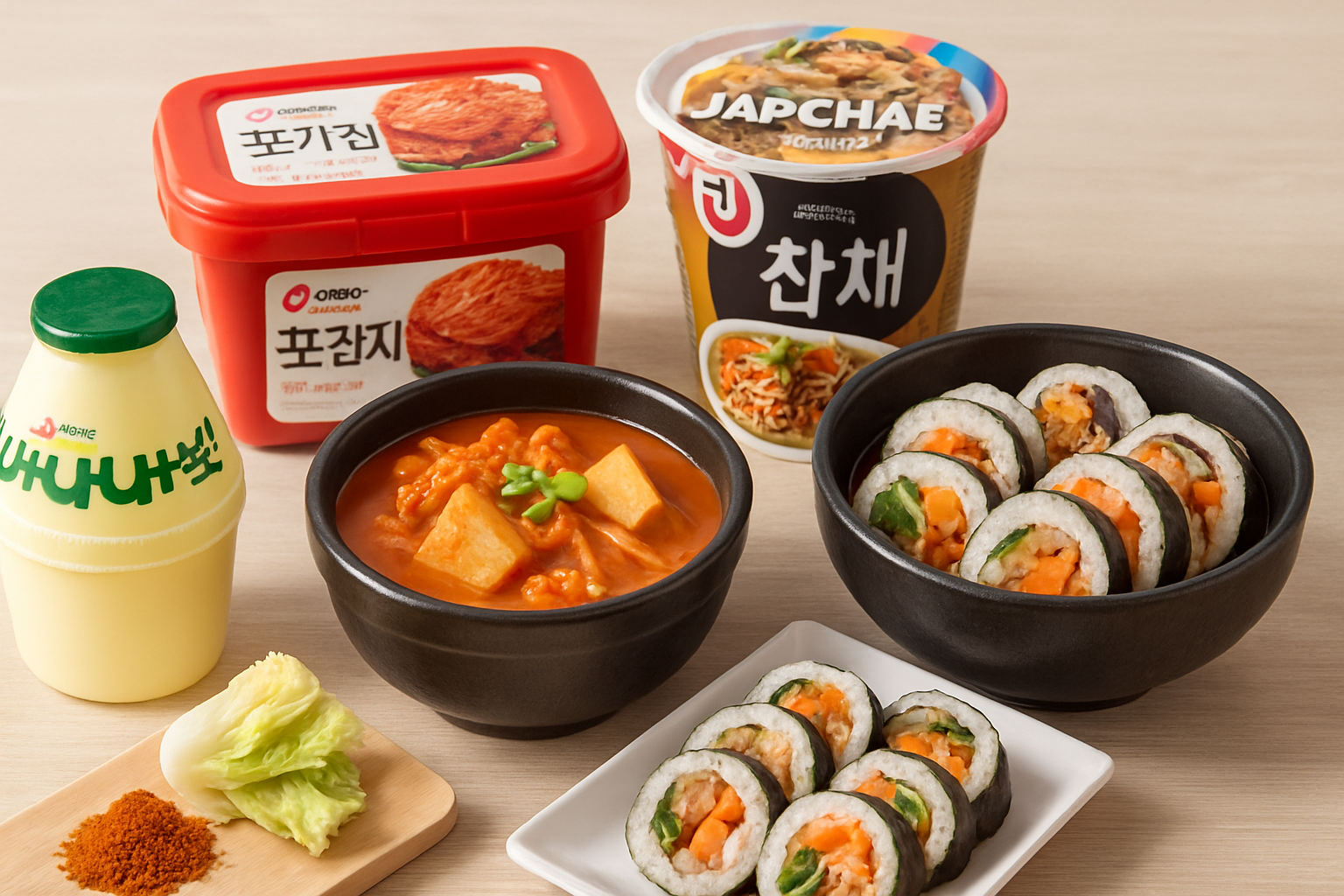
If you are not deeply familiar with the Korean food industry, a little context goes a long way here. Binggrae is one of South Korea's most beloved dairy and snack food brands. You may actually know them already — they are the company behind Banana Milk, that iconic banana-flavored drink in the distinctive barrel-shaped bottle that has become something of a cultural symbol in Korea and has built a surprisingly passionate international following. They also produce Melona, the popular melon-flavored ice bar that has found fans well beyond Korean borders.
Daesang, on the other hand, is a food and biochemical conglomerate with a much broader portfolio. They are the company behind Chung Jung One, a widely recognized brand in Korean home cooking known for products like gochujang (Korean red pepper paste), doenjang (fermented soybean paste), and various fermented and seasoned food products. What is really interesting about Daesang is the sheer range of what they produce — from traditional Korean condiments to industrial food ingredients used by manufacturers globally.
Why THAIFEX-Anuga Asia Matters
THAIFEX-Anuga Asia is co-organized by Koelnmesse and the Thai Chamber of Commerce, and it is widely regarded as the premier food and beverage trade exhibition in Asia. The show covers everything from fresh produce and packaged goods to food technology and food service. For brands looking to break into or deepen their presence in Southeast Asian markets — think Thailand, Vietnam, Indonesia, the Philippines, and beyond — this is essentially the place to be.
Korean food has been on a remarkable global trajectory, riding the broader wave of Hallyu, or the Korean Wave, which has brought K-drama, K-pop, and Korean cinema to audiences worldwide. Food has followed naturally. Demand for Korean instant noodles, sauces, snacks, and fermented foods has surged in markets that would have seemed unlikely just a decade ago. Participating in an event like THAIFEX is a strategic move for companies looking to capitalize on that momentum in a professional, business-to-business setting.
The Bigger Picture for Korean Food Exports
The participation of Binggrae and Daesang is part of a broader push by the Korean food industry to strengthen its foothold in international markets. South Korea's agricultural and food export figures have been steadily climbing, with processed food products leading the charge. Government bodies and trade organizations like the Korea Agro-Fisheries and Food Trade Corporation, known as aT, have been actively supporting Korean food companies in their overseas marketing efforts, including participation in major international trade shows.
Southeast Asia in particular has emerged as a critical growth region for Korean food brands. The region's young demographic, growing middle class, and existing familiarity with Korean pop culture have created a receptive environment for Korean food products. Companies that establish strong distribution relationships and brand visibility in these markets now are positioning themselves well for sustained long-term growth.
What to Expect at the Expo
At THAIFEX-Anuga Asia 2026, both Binggrae and Daesang are expected to present their product lineups to international buyers and media. For Binggrae, that likely means showcasing their dairy-based beverages, ice cream products, and snack lines that have already proven popular in export markets. For Daesang, the focus will likely be on their Chung Jung One range of sauces and condiments, which are already sold in Korean grocery stores and mainstream supermarkets in multiple countries.
Trade shows like this are not just about putting products on a table. They are about conversations — with distributors, with retail chain buyers, with food service operators who are looking for the next ingredient or product that will resonate with their customers. Getting a major deal at or following an event like THAIFEX can translate into shelf space in supermarkets across an entire region.
Korean Food on the World Stage
The move by these two companies is a reminder that Korean food's global moment is not just a social media trend — it is increasingly backed by serious commercial infrastructure. When established companies like Binggrae and Daesang commit resources to participating in the region's top trade expo, it signals confidence in the market and in the sustained international appetite for Korean flavors.
Whether it is the sweet familiarity of Banana Milk or the complex, fermented depth of a well-made gochujang, Korean food has a story to tell — and THAIFEX-Anuga Asia 2026 is shaping up to be one of the bigger stages on which that story gets told this year.
This article is based on reports from Breaknews, Breaknews, JoongAng Ilbo.