A New Chapter for Seoul's North Side
So here's the thing about Seoul — when most people think of major cultural landmarks or entertainment hubs, their minds usually drift south of the Han River. But that narrative is about to get a serious rewrite. Seoul city officials are now pushing full steam ahead on a massive project centered around the Seoul Arena, a purpose-built K-pop performance complex in the city's northeastern district of Dobong-gu, and the ambition behind it is genuinely staggering.
With Mayor Oh Se-hoon recently confirmed for a second consecutive term, the city's flagship vision for what's being called the "Gangbuk Renaissance" — a broad revitalization of Seoul's northern districts — now has the political continuity to see it through. And at the center of all of it is the Seoul Arena.
What Exactly Is the Seoul Arena?
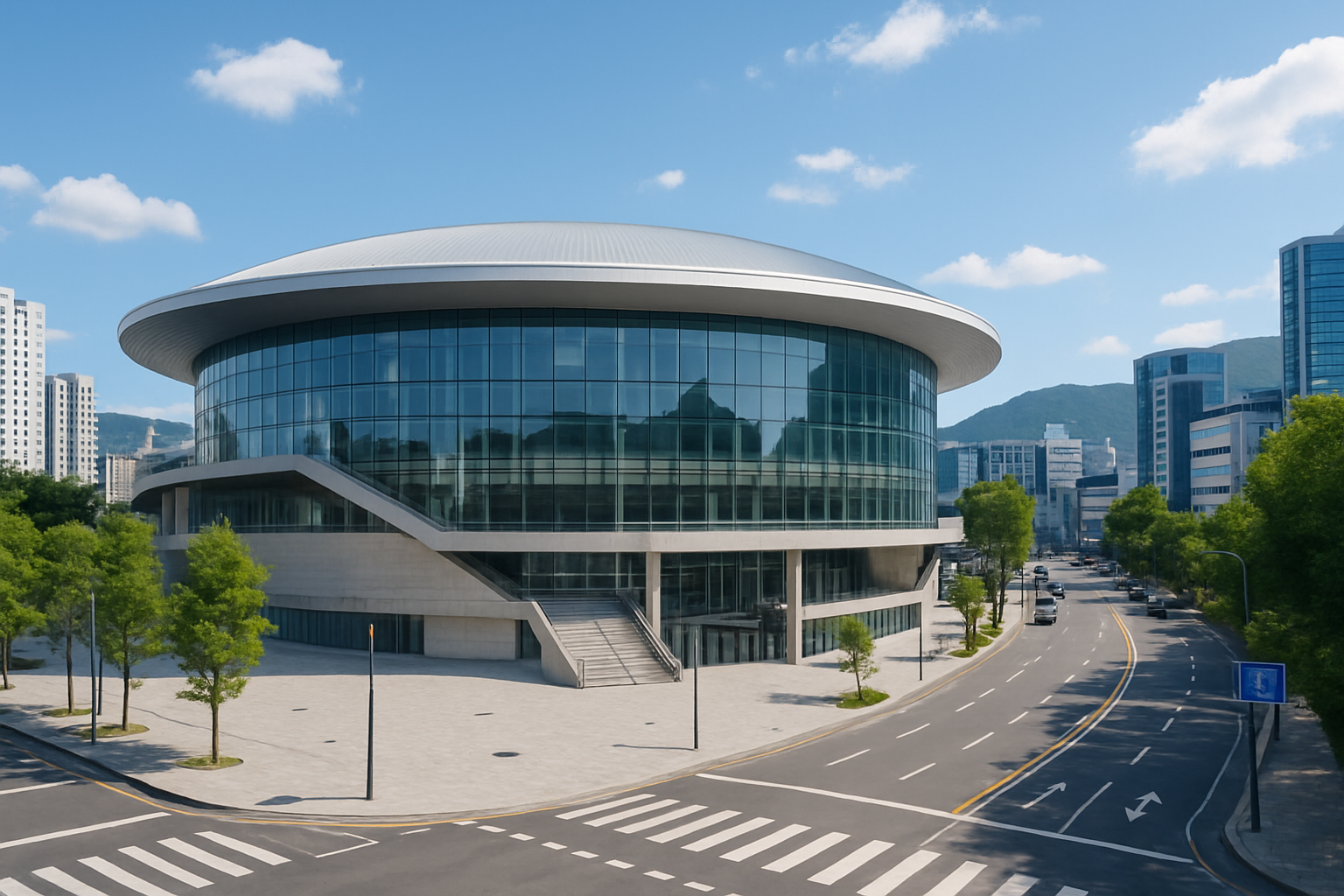
If you haven't heard of it yet, here's a quick rundown. The Seoul Arena is being built on approximately 50,000 square meters of land near Changdong Station in Dobong-gu, making it Seoul's very first large-scale K-pop focused performance complex. To give you a sense of scale, the main music venue alone seats 18,269 people, and there's also a mid-sized performance hall that can hold up to 7,000 additional guests, plus a cinema and commercial facilities. All in, the complex can accommodate up to 28,000 visitors simultaneously.
Construction officially broke ground in 2024, following a 2022 agreement between Seoul Metropolitan Government and Kakao — yes, the same Kakao behind KakaoTalk, South Korea's dominant messaging app — to develop the venue through a special purpose company. The total investment sits at around 312 billion Korean won, which is roughly 230 million US dollars. The target opening date is the first half of next year.
The Numbers Seoul Is Betting On
What's really interesting is just how much the city is projecting this venue will move the needle economically. Seoul officials expect the Seoul Arena to attract 2.5 million visitors annually once it opens. That is not a small number — it would put the venue in league with some of the most visited cultural attractions in the country.
The city believes those visitor flows will ripple outward into the surrounding Changdong and Sanggye neighborhoods, generating jobs in the live performance and cultural industries and breathing new economic life into a part of Seoul that has long been seen primarily as a residential, bedroom-community zone rather than a destination in its own right.
Beyond the Arena: The K-Enter Town Vision
But the Seoul Arena is really just the anchor piece of a much bigger puzzle. Back in April of this year, Mayor Oh's administration unveiled a sweeping urban development concept called "K-Enter Town, Changdong." The idea is to turn the entire Changdong area into a globally recognized hub for culture and entertainment industries — not just a concert venue, but an ecosystem.
Here's how the plan breaks down geographically:
- Changdong would be developed as a creative and cultural industry cluster, with the Seoul Arena as its centerpiece and anchor institution.
- Sanggye, the neighboring district, is slated to become a future industry hub centered around the Seoul Digital Bio City (S-DBC), a planned tech and life sciences campus being built on the site of a relocated train depot.
- The Kwangwoon University station area is also being developed as part of this broader corridor, adding transit-oriented development to the mix.
Taken together, the city's stated goal is to transform Seoul's northeastern belt from a consumption-oriented bedroom community into a full-fledged economic base with real jobs, real industry, and a cultural identity that draws people in from around the world.
City Hall Gets Reorganized to Match the Ambition
Here's where things get very practical. The Seoul Metropolitan Government recently announced a proposed amendment to its administrative organizational rules — in plain terms, it's reorganizing its own bureaucracy to make sure this project actually gets done.
Under the proposed changes, two new responsibilities would be formally added to the Creative Industries Division within the city's Economic Bureau:
- Management and operation of the Seoul Arena, and activation of the surrounding area
- Cultivation and support of the Hallyu — or Korean Wave — industry
The city cites a clear rationale: the surging popularity of K-culture globally is already driving more international tourists to Seoul, and the government wants a dedicated institutional structure to properly manage and grow that momentum rather than leaving it to ad hoc coordination across departments.
The amendment was open for public comment through June 8th, with the revised rules set to take formal effect on July 1st — the same day Mayor Oh begins his third term in office, which the city notes is symbolically significant in terms of policy continuity.
Why This Matters for K-Pop's Global Footprint
To understand why global K-pop fans should pay attention to this, it helps to know what Seoul has been working with up until now. South Korea, despite being the birthplace of one of the most globally dominant music genres of the past decade, has lacked a truly dedicated large-scale live performance venue purpose-built for K-pop. Major acts have had to rely on stadiums, converted sports arenas, or venues not designed with K-pop production in mind.
The Seoul Arena changes that equation entirely. A venue of this scale, designed specifically for music performance, in a city that is already one of the top tourist destinations in Asia, could become a genuine pilgrimage site for K-pop fans worldwide — exactly the kind of draw that cities like Nashville or Liverpool have built entire tourism identities around.
What Comes Next
With the administrative groundwork now being formally laid and Mayor Oh's re-election securing policy continuity, the Seoul Arena project appears to be on solid footing heading into its final construction phase. The first half of next year is a relatively tight timeline, but city officials have been consistent in holding to it publicly.
For the residents of Changdong and Sanggye, communities that have waited years to see this area develop into something more than a transit junction, the coming months will be telling. And for K-pop fans around the world, Seoul's northeastern corner is quietly becoming a place worth watching very closely.
Seoul Metropolitan Government expects the Seoul Arena to draw 2.5 million visitors per year, contributing to job creation in the live performance industry and economic revitalization of the Changdong and Sanggye neighborhoods.
This article is based on reports from Jnilbo, Jeonmae, Yonhap News.