So, You Thought K-Pop Was Just a Trend?
Let's go back for a second. If you told someone in, say, 2005 that Korean pop music would one day dominate global charts, sell out stadiums across Europe and North America, and inspire academic courses at universities worldwide, they probably would have laughed. And yet, here we are. K-pop is not a passing fad — it's a full-blown cultural force, and for those of us who've been along for the ride since the early days, it feels a little bit like watching a sleeper hit finally get the recognition it always deserved.
The phrase "call it a comeback" really does apply here, though maybe not in the way you'd expect. K-pop never truly went away — but its mainstream Western visibility has gone through distinct waves, and right now, we are absolutely riding one of the biggest ones yet.
Where It All Started: A Genre Built on Precision and Passion
To appreciate where K-pop is today, you have to understand the machine behind it. Unlike most Western pop music, which tends to develop more organically around individual artists, K-pop was largely engineered from the ground up by major entertainment agencies in South Korea. Companies like SM Entertainment, YG Entertainment, and JYP Entertainment pioneered what became known as the "idol system" — a rigorous training process where young performers spend years learning to sing, dance, and even speak multiple languages before ever debuting publicly.
What's really interesting is that this level of dedication and polish is baked into the genre's DNA. When you watch a K-pop performance, you're watching the product of sometimes five or more years of daily training. That's not a small thing. And for fans — who are famously among the most dedicated in any music genre — that level of commitment from their artists creates an almost unbreakable bond.
The Hallyu Wave: How Korean Culture Crossed Every Border
So here's the thing about K-pop's global spread — it didn't happen in isolation. It came packaged inside what South Korea calls the "Hallyu Wave," or the Korean Wave, a broader cultural export that includes Korean cinema, television dramas, beauty trends, and food. When Bong Joon-ho's film Parasite won the Academy Award for Best Picture in 2020, it wasn't a random anomaly. It was the visible peak of a decades-long cultural buildup.
K-pop rode that same wave, and platforms like YouTube and later TikTok were the surfboards. Before global streaming, a teenager in Brazil or Norway had limited ways to discover music from Seoul. But the internet changed all of that almost overnight. Fan communities — known as fandoms, each with their own unique names and cultures — organized online, translated content, created subtitled videos, and essentially did the grassroots marketing work that no agency budget could fully replicate.
The fans didn't just consume K-pop — they built the infrastructure that allowed it to travel the world.
The Mechanics of the Music: More Than Meets the Ear
For the uninitiated, K-pop can sometimes seem overwhelming at first. Groups can have anywhere from four to over twenty members. Releases come with intricate "concepts" — thematic identities that shape everything from the music and choreography to the fashion and even the color palettes used in promotional material. There are "eras," "comebacks," and carefully staged rollouts that feel almost cinematic in scope.
Speaking of comebacks — in K-pop, that word has a very specific meaning. Unlike in Western pop, where a comeback implies an artist returning after a long absence, in K-pop a "comeback" simply refers to any new release or promotional cycle. A group can have multiple comebacks in a single year. It's part of the rhythm of the industry, and fans track these cycles with the kind of enthusiasm sports fans reserve for championship seasons.
Charting is also a big deal in this world, and one platform that global fans may not be familiar with is Melon — South Korea's dominant music streaming service. Think of it as the Korean equivalent of Spotify, but with its own real-time and daily chart systems that carry enormous cultural weight within the industry. Charting well on Melon can be just as meaningful to a Korean artist as landing on the Billboard Hot 100 is to a Western one.
The "Nerd" Factor: Why K-Pop Attracts Deep Fans
There's a reason the term "K-pop nerd" is worn as a badge of honor in fan communities. Getting into K-pop is less like casually enjoying a song and more like picking up a new hobby — one with lore, trivia, inside jokes, and a constantly expanding universe of content to explore. Music videos come layered with symbolism and hidden references. Albums include photo books, collectible photo cards, and lyric sheets that fans analyze obsessively. Behind-the-scenes reality shows, variety program appearances, and live streaming sessions give fans an almost unprecedented window into the lives of their favorite artists.
For the nerds and geeks who discovered K-pop through anime, gaming culture, or general internet fandom communities, the genre offers exactly the kind of deep, immersive rabbit hole that passionate people thrive in. It rewards curiosity and investment in a way that few other genres do.
The New Generation: Who Is Leading the Charge?
While groups like BTS and BLACKPINK essentially introduced K-pop to millions of new Western listeners, the genre has continued to evolve and diversify well beyond those household names. A new generation of acts — spanning fourth and fifth generation idol groups — is pushing creative boundaries with genre-blending sounds, more internationally composed lineups, and increasingly global debut strategies.
What's fascinating to watch is how the industry is adapting to its own international success. More groups now debut with members from the United States, Japan, Australia, and various European countries, making the music feel genuinely multicultural rather than simply exported. Lyrics increasingly mix Korean, English, and other languages, and production credits regularly include writers and producers from across the globe.
A Community That Keeps Growing
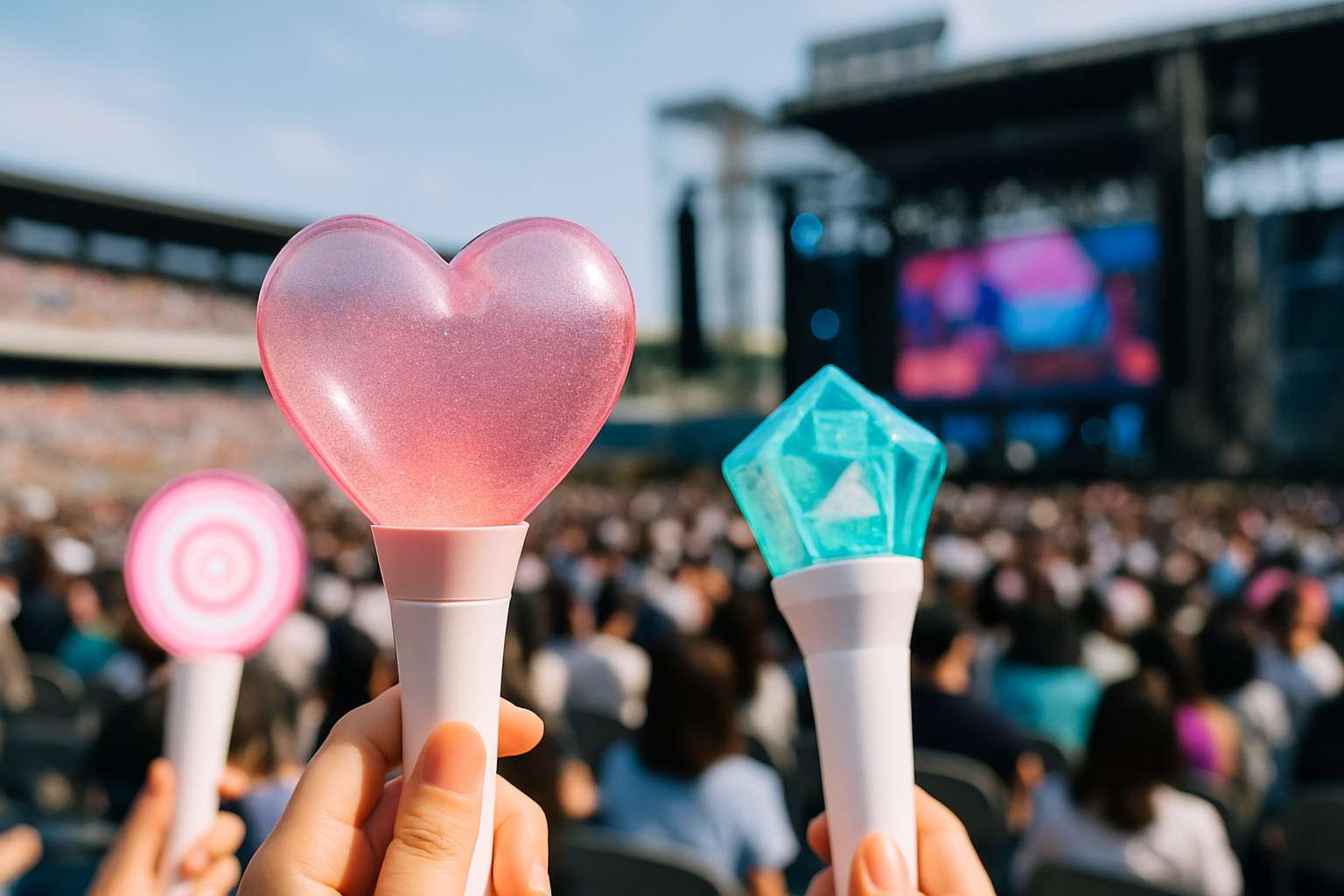
Perhaps the most compelling argument for why K-pop isn't going anywhere is the sheer size and passion of its global community. Fan conventions, streaming parties, group listening events, and fan-organized charity initiatives happen constantly and worldwide. Platforms like X (formerly Twitter) regularly see K-pop-related topics dominate global trending lists — sometimes for days at a time.
For newcomers just discovering the genre, it can feel like stepping into the middle of an ongoing story with decades of history. But that's also part of the appeal. There is always more to learn, more to listen to, and more to love. Whether you're a casual listener drawn in by a catchy hook or a full-on fan who knows every member's birth date and pre-debut history, K-pop has a seat at the table for you.
So if you've been K-pop-curious and haven't taken the plunge yet — consider this your invitation. The music is good, the fandom is passionate, and yes, the comebacks are frequent. Welcome to the rabbit hole.
This article is based on reports from Us, Nc, Nc.