A Restaurateur with a Bigger Mission
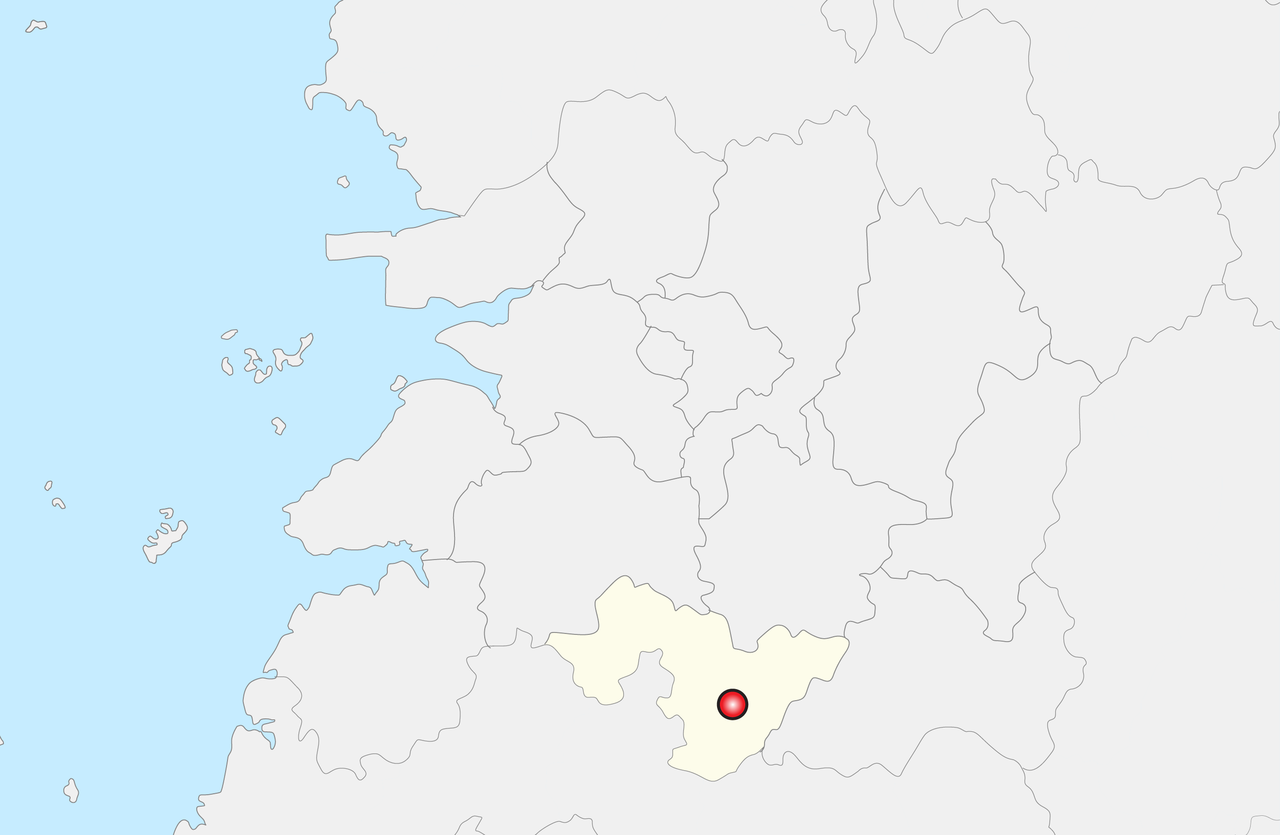
So here is a story that goes well beyond good food. In Sinbang-dong, a residential neighborhood in Dongnam-gu, Cheonan — a city in South Korea's South Chungcheong Province — there is a pollock specialty restaurant called Myeongtae Myeonnga, which loosely translates to "The House of Pollock." And the man behind it, Park Hae-jin (age 49), has built something that is about much more than a great meal.
Park has been running Myeongtae Myeonnga for eleven years now, and in that time he has become one of those rare figures that a neighborhood genuinely rallies around. Locals know him as the owner of their go-to restaurant, but they are just as likely to call him something else entirely — a community servant.
What Is Myeongtae, and Why Does It Matter?
A quick note for global readers: myeongtae is the Korean word for Alaska pollock, one of the most culturally significant fish in Korean cuisine. It is eaten in nearly every form imaginable — fresh, dried, half-dried, and frozen — and each preparation has its own name and distinct flavor profile. The version that Myeongtae Myeonnga specializes in is kodari, which refers to semi-dried pollock. It has a chewy texture and a deep, savory flavor that is genuinely hard to replicate.
What is really interesting is that kodari restaurants are not uncommon in Korea, but sustaining one for over a decade — through economic downturns, the COVID-19 pandemic, and ongoing inflation — takes something special. Park credits one thing above all else: consistency.
"Food has to be honest," Park has said, a philosophy that guides everything from how he selects his ingredients to how he oversees each step of preparation.
He is a Cheonan native, and that roots-deep connection to the city is evident in how he talks about his work. The restaurant, which he runs with his family, has evolved over the years from a simple eatery into a gathering place — a spot where locals come not just to eat, but to feel at home.
Building Trust, One Plate at a Time
Eleven years in the restaurant business is no small feat anywhere in the world, but in South Korea's fiercely competitive dining scene, it is a real accomplishment. The country has one of the highest restaurant density rates globally, and small independent eateries face constant pressure from rising food costs and changing consumer habits.
Park navigated all of that by doing something deceptively simple: not cutting corners. Regular customers at Myeongtae Myeonnga will tell you that the food tastes the same today as it did when they first walked in years ago. That kind of reliability builds a different kind of loyalty — the kind where people bring their families, celebrate milestones, and recommend the place to anyone who will listen.
The restaurant is located on the first floor of Sinbang Plaza at 55 Sinbang-dong, Dongnam-gu, Cheonan, making it easily accessible to the surrounding community.
From the Kitchen to the Community
Here is where the story gets even more compelling. Park does not clock out when he leaves the restaurant. He is an active member of the Cheonan Seobuk-gu Youth Development Association — known in Korean as the Cheong-yuk-hoe — a civic organization dedicated to guiding young people and supporting their healthy development into adult members of society.
He also volunteers regularly with Modakbul봉사단, a local community service group. The name "Modakbul" evokes the image of a bonfire — warmth, gathering, light — which is a fitting metaphor for what the group does: support marginalized members of the community and fill gaps that formal institutions sometimes miss.
Park shows up for events, participates in outreach programs, and contributes to initiatives aimed at helping underprivileged neighbors. Those who know him say it is not performative — it is just who he is.
"Myeongtae Myeonnga exists because the people of this community chose to support it," Park has said. "Whatever I give back through volunteering is just my way of returning some of that love."
The Neighbor Who Happens to Run a Restaurant
What really stands out when you hear people talk about Park Hae-jin is the language they use. They do not describe him as a successful business owner or a local celebrity. They call him "a neighbor who smells human" — a Korean expression that means someone who is genuine, warm, and present. Someone who feels real.
That is a meaningful distinction in an era when small business owners are often reduced to their revenue numbers or their Google reviews. Park has managed to be both a reliable restaurateur and an active community member, and the people around him notice.
His regulars already know about his volunteer work — it is not a secret he keeps, but it is also not something he broadcasts. It just surfaces naturally, the way these things do when someone lives consistently.
A Local Story Worth Telling
There is a reason stories like Park's matter beyond the neighborhood of Sinbang-dong. In cities and towns across Korea — and honestly, across the world — small business owners are the connective tissue of local life. They are the ones who stay when chains move in and rents go up. They are the ones who know their customers' names and remember their orders.
Park Hae-jin represents something that is easy to overlook in conversations about economic growth or cultural trends: the quiet, sustained effort of one person choosing to show up — in the kitchen, in the community, and for the people around him — day after day, year after year.
So here is the thing. Myeongtae Myeonnga is, at its core, a pollock restaurant in a South Korean city. But the story of the person running it is really about what it looks like to build a life that is genuinely rooted in a place and its people. And that is something worth knowing about, wherever you happen to be reading this from.
This article is based on reports from Ccdn, Wikitree, Kado.