South Korea's Favorite Island Destination Sets Its Sights on Muslim Travelers
So here's the thing about Jeju Island — most people already know it as South Korea's crown jewel of domestic tourism. The volcanic landscapes, the haenyeo divers, the tangerine farms, the dramatic coastal cliffs. It's a place South Koreans have been vacationing for generations. But what's been quietly happening on this island off the southern tip of the Korean Peninsula is a much bigger shift: Jeju is actively positioning itself as one of Asia's premier destinations for Muslim travelers.
And honestly, it's a move that makes a lot of sense. The global Muslim travel market is enormous — worth hundreds of billions of dollars annually — and it's one of the fastest-growing tourism segments in the world. Countries and regions across Asia have been competing hard for that market, from Japan to Thailand to Taiwan. Jeju, it seems, has decided it wants a real seat at that table.
What "Muslim-Friendly" Actually Means on the Ground
Before we get into the specifics, it's worth explaining what Muslim-friendly tourism actually involves, because it goes well beyond just having a halal restaurant on the corner. For observant Muslim travelers, a genuinely welcoming destination needs to think about several things at once.
- Halal food options: Restaurants and hotels that can provide meals prepared according to Islamic dietary guidelines — no pork, no alcohol in the cooking, proper slaughter practices.
- Prayer facilities: Access to prayer rooms or mosques, and awareness of daily prayer times built into tour schedules.
- Alcohol-free spaces: Options for accommodation and venues where alcohol is not served or prominently featured.
- Cultural sensitivity: Staff training so that locals in the tourism industry understand and respect Islamic customs and practices.
What's really interesting is that Jeju has been taking all of these dimensions seriously in a coordinated, top-down way — not just leaving it to individual businesses to figure out on their own.
A Strategic Push from the Top
The Jeju provincial government has been driving much of this transformation. Local authorities have been working to certify halal restaurants and accommodations across the island, creating a clearer map for Muslim visitors who want to plan a trip without having to do exhaustive research in advance. That kind of infrastructure — knowing before you book that your needs will be met — is genuinely important for this travel segment.
Prayer facilities have also been expanding. While Jeju has historically had limited mosque and prayer room access compared to mainland Korean cities like Seoul, the island has been steadily adding dedicated prayer spaces at key tourist sites, shopping areas, and transportation hubs. For a Muslim traveler observing five daily prayers, knowing there's a clean, accessible prayer room nearby isn't a luxury — it's a basic requirement.
Tour operators on the island have been getting in on the action too. Halal-certified food tours, cultural experiences designed with Muslim visitors in mind, and guided itineraries that incorporate prayer schedules are all becoming more common offerings. It's a level of intentional design that signals Jeju isn't just tolerating Muslim tourists — it's actively courting them.
Why Jeju Is Well-Positioned for This
Here's some context that matters: Jeju operates somewhat differently from the rest of South Korea. It has special autonomous province status, which gives local authorities more flexibility to set their own policies and pursue independent economic development strategies. That administrative autonomy has allowed Jeju to move faster and more ambitiously on tourism diversification than many other regions might.
The island also already has strong air connectivity with Southeast Asia and the Middle East — key source markets for Muslim travelers. Direct or well-connected routes from Malaysia, Indonesia, the UAE, and other Muslim-majority countries make Jeju more accessible than you might expect for a relatively small island.
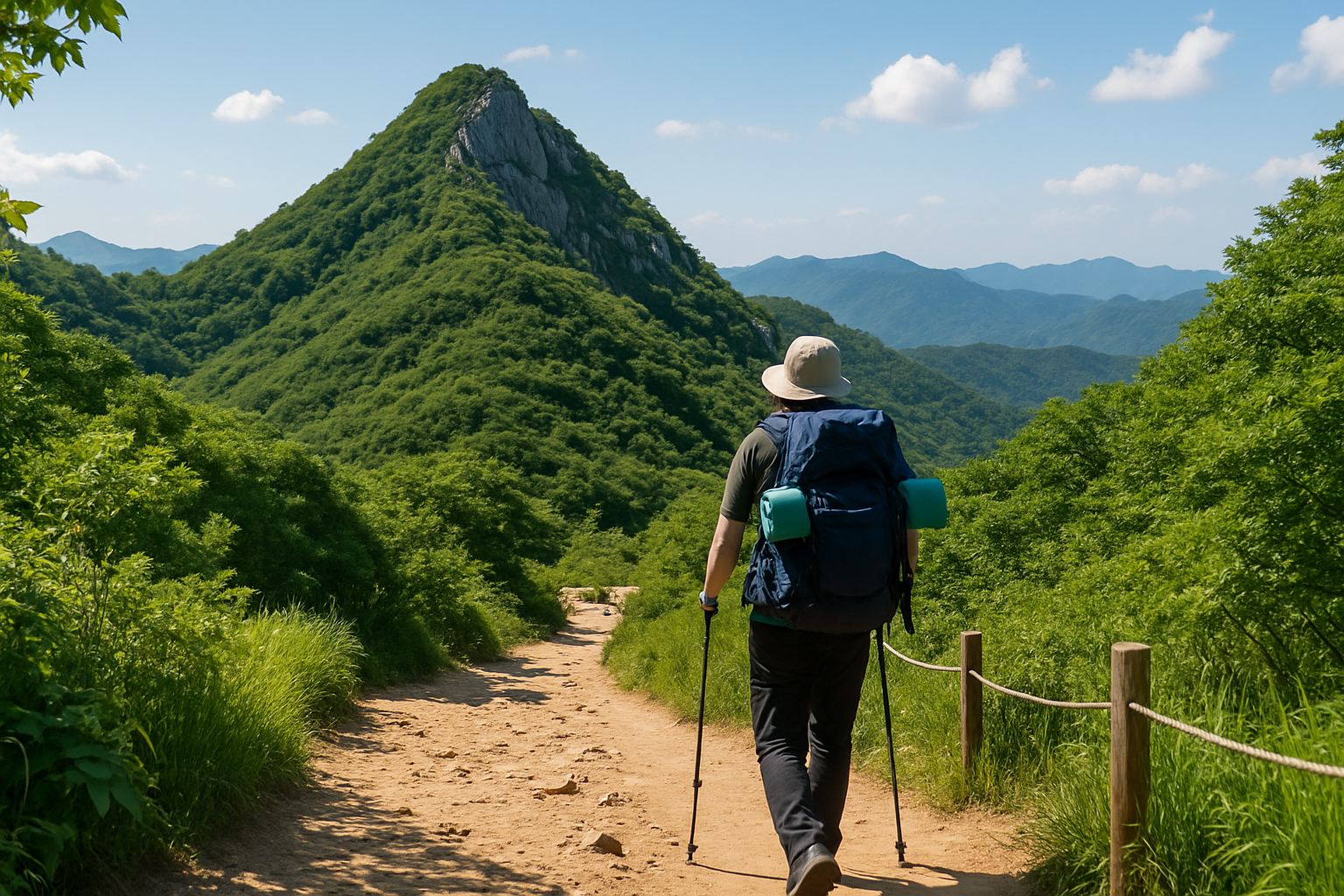
And then there's the destination itself. Jeju's natural beauty — UNESCO-listed volcanic features, pristine beaches, lush green interiors — offers the kind of experience that appeals across cultural backgrounds. The appeal isn't niche; it just needs to be packaged and presented in a way that works for Muslim visitors.
The Broader Context: Korea's Muslim Tourism Ambitions
Jeju's push doesn't exist in a vacuum. South Korea as a whole has been steadily warming to Muslim-friendly tourism, partly driven by the Korean Wave — the global spread of Korean pop culture, dramas, and food — which has cultivated massive fanbases across Muslim-majority countries in Southeast Asia and beyond. Many of those fans want to visit Korea, and Korea wants to make sure that's as easy and welcoming as possible.
The Korea Tourism Organization has been running Muslim-friendly campaigns and developing certification programs for halal food establishments nationwide. But Jeju, with its concentrated tourist infrastructure and its natural drawing power, is in a position to become a flagship example of what that looks like in practice.
Challenges Still on the Table
It would be unfair not to acknowledge that challenges remain. Korea's food culture is deeply intertwined with ingredients that aren't halal — pork and alcohol show up in a lot of traditional dishes and sauces in ways that aren't always obvious. Building genuine halal certification credibility takes time, and travelers who've had disappointing experiences with loosely defined "halal options" elsewhere tend to be appropriately skeptical.
Language accessibility is another ongoing issue. While English signage has improved significantly across Jeju, Arabic-language information and multilingual support for visitors from the Middle East is still catching up.
Staff cultural training is a longer-term project too. Understanding not just what Muslim visitors need but why — and making them feel genuinely welcome rather than accommodated as an afterthought — requires sustained investment in people, not just facilities.
The Big Picture
What Jeju Island is attempting is actually pretty significant in the context of global tourism competition. It's not just adding a halal menu here and a prayer room there — it's trying to build a coherent, trustworthy identity as a destination where Muslim travelers can show up and genuinely feel at home.
If Jeju gets this right, the payoff could be substantial. The Muslim travel market is young, growing, and actively looking for destinations that take their needs seriously. A volcanic island off the southern coast of Korea, with its dramatic landscapes, rich cultural experiences, and improving halal infrastructure, could absolutely become a standout choice on that global list.
The work is clearly underway. Whether Jeju can fully deliver on the promise it's making — that's the story still being written.
This article is based on reports from Yonhap News, Yonhap News, Breaknews.